

…Calls Obi’s position on fuel subsidy a threat to unified opposition platform
By Jeremy Fregene
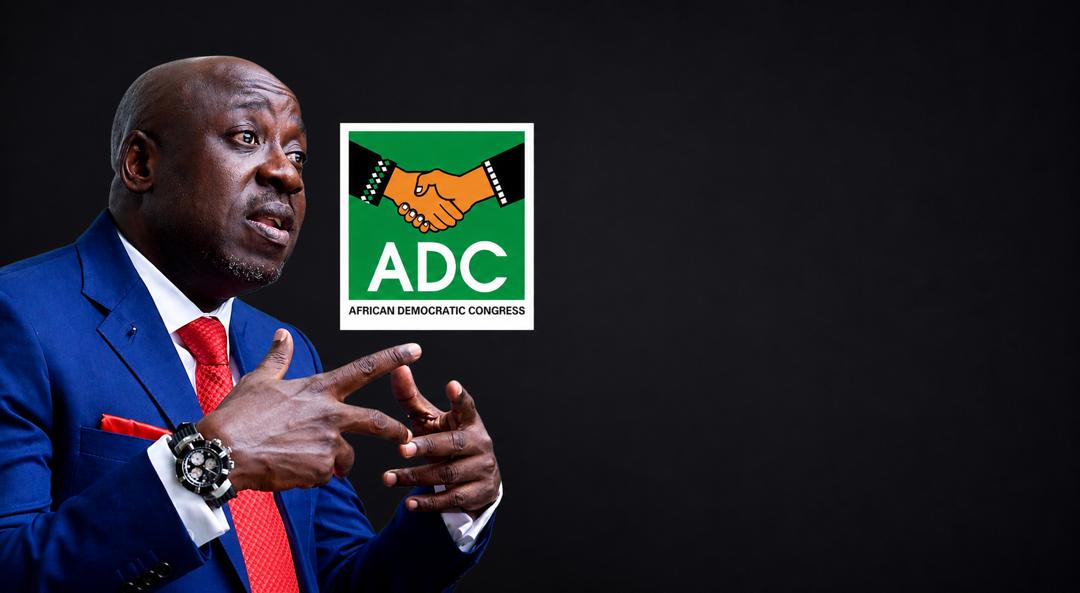
Cracks in Nigeria’s opposition ranks widened on Tuesday as the African Democratic Congress (ADC) warned that Peter Obi’s opposition to restoring petrol subsidy could threaten fresh efforts to forge a broad coalition against President Bola Tinubu ahead of the 2027 presidential election.
National Publicity Secretary of the ADC, Bolaji Abdullahi, said the sharp difference between the economic positions of Obi, presidential candidate of the Nigeria Democratic Congress (NDC), and Atiku Abubakar, presidential candidate of the ADC, raised a fundamental question about the policy platform on which the parties could merge or cooperate.
Abdullahi spoke on Tuesday during an appearance on Arise TV’s Daybreak, a day after a G100 summit in Abuja brought six opposition parties together to explore a fresh framework for cooperation ahead of the 2027 elections.
The participating parties were the ADC, Allied Peoples Movement (APM), NDC, Peoples Democratic Party (PDP), Peoples Redemption Party (PRP), and Social Democratic Party (SDP).
Promoters of the initiative are canvassing a broad opposition arrangement capable of producing what they describe as a “government of national competence” that would serve a single four-year transition term after the 2027 election.
But the emerging disagreement over petrol subsidy has exposed one of the policy hurdles the parties would have to overcome if the talks are to progress beyond electoral arithmetic into a common programme of government.
Atiku has publicly committed himself to restoring petrol subsidy if elected president, arguing that its removal by the Tinubu administration contributed significantly to the cost-of-living pressures confronting Nigerians.
Obi, on the other hand, has taken the opposite position. The former Anambra State governor has said he would retain the removal of subsidy, maintaining that the failure of government to properly manage or account for the benefits of the policy does not justify returning to the old subsidy regime.
Abdullahi said the divergence was substantial enough to raise questions about the ideological and economic foundations of any proposed merger involving the ADC and Obi’s NDC.
“That’s something the promoters of this coalition will have to address. If Peter Obi doesn’t believe in the return of subsidy while we do, then what would be the basis for a merger?” he asked.
The ADC spokesman made clear that his party regarded the subsidy question as a core economic policy rather than an issue it could readily compromise on during coalition negotiations.
“For us, it’s non-negotiable. Our economists are examining the numbers in detail, and we’re convinced this is something we should pursue,” Abdullahi said.
The disagreement comes against the background of an earlier attempt to unite major opposition figures against the APC.
Atiku, Obi, and several prominent opposition politicians had come together in July 2025 under a coalition that adopted the ADC as its political platform for the 2027 elections.
That arrangement subsequently failed to produce a durable common platform, with Obi and Rabiu Musa Kwankwaso eventually moving to the NDC, where they emerged as presidential and vice-presidential candidates respectively.
The latest G100 initiative represents another attempt to bring opposition forces together, but the absence of some of the most prominent presidential contenders from Monday’s summit immediately raised questions about the prospects of achieving unity.
Atiku and Obi were absent, although presidential candidates Donald Duke of the PRP and Adewole Adebayo of the SDP attended.
Abdullahi, however, rejected suggestions that Atiku’s absence indicated a lack of commitment by the ADC to the coalition initiative.
He said the party understood the G100 process primarily as negotiations among political parties rather than a meeting of presidential candidates, arguing that the ADC was substantially represented at the gathering.
“The summit, the way we understand it, is more about conversations between political parties than between candidates. It’s about exploring opportunities for cooperation among political parties,” he said.
“So it’s not consequential that Atiku Abubakar was not present. I was there, the party was highly represented. We had about four vice-chairmen at the G100 summit. ADC was fully represented and participated in the process.”
Despite raising concerns about the policy differences with Obi, Abdullahi said the ADC remained supportive of efforts to bring opposition parties together.
He said the party accepted the argument that greater opposition cooperation could improve the chances of defeating the APC in 2027, but insisted that the ADC did not regard a single opposition presidential candidate as an indispensable condition for victory.
“I agree with the objective that when opposition parties come together, they stand a better chance. But for us in the ADC, this conversation is not dependent on producing a single presidential candidate,” Abdullahi said.
“We believe we can defeat President Bola Tinubu in 2027 on our own. If we’re able to negotiate this cooperation, it simply makes the job easier.”
The ADC’s position suggests that the renewed opposition talks may have to resolve questions extending beyond who becomes a consensus presidential candidate, including whether the participating parties can agree on a common economic and governance programme.
The petrol subsidy question has now emerged as an immediate test. While Atiku’s ADC considers its restoration “non-negotiable,” Obi insists the removal should remain in place, leaving two of the major opposition camps divided on an economic policy with direct consequences for millions of Nigerian households.
Discover more from Keeping Them Honest
Subscribe to get the latest posts sent to your email.