

By Abu Adamu
The Sir Ahmadu Bello Memorial Foundation (SABMF) has declared that military operations alone cannot end the persistent insecurity ravaging Northern Nigeria, insisting that sustainable peace requires strong grassroots intelligence, institutional collaboration, and data-driven coordination.
The foundation stated this during its May 2026 Monthly Online Mentorship Programme held on Saturday with the theme, “An Evidence-Based Solution to the Northern Insecurity Challenges: For Regional Unity, Peace, and Development.”
Speaking at the event, the Director General and Chief Executive Officer of SABMF, Abubakar Umar, said lasting security could only be achieved through close cooperation among governments, security agencies, traditional institutions, and local communities.
According to him, credible grassroots intelligence, active citizen participation, and systematic use of data remain critical to tackling insecurity across the region.
“Sustainable peace is not achieved on the battlefield alone,” Umar said. “It requires a deeply synchronised approach where governments, formal security agencies, traditional institutions, and local communities operate as a united front.”
He added that the foundation remained committed to advancing practical and evidence-based solutions to the socio-economic and security challenges confronting Northern Nigeria.
As part of its recommendations, the foundation proposed the establishment of digitally equipped “Palace Situation Rooms” within emirates and chiefdoms to function as local intelligence and early warning centres.
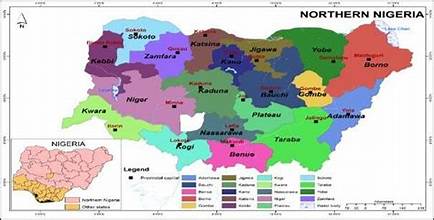
SABMF also urged Northern governors, state assemblies, security agencies, and local government councils to adopt the Political Traditional Partnership (PTP) Model across the 19 Northern states to improve intelligence sharing and operational coordination.
The group further called for legislation to institutionalise community intelligence systems, protect informants, and regulate data governance, while advocating sustainable funding for grassroots security structures and digital literacy training for traditional rulers, youth leaders, and vigilante groups.
According to the foundation, security remains indispensable for economic growth, agricultural productivity, investment, and social stability in the North.
“Force can hold the line temporarily, but it cannot heal the crisis without coordinated leadership, reliable data systems, and deep institutional synergy,” the foundation stated.
In his keynote presentation, security and technology expert, Umar Bindir, identified the disconnect between formal security institutions and community intelligence networks as one of the major weaknesses in Nigeria’s security architecture.
Bindir noted that despite huge investments in military hardware and operations, insecurity had persisted largely because of the absence of organised, real-time territorial intelligence for early threat detection and rapid response.
He presented the Political Traditional Partnership Model, an integrated governance and intelligence coordination framework implemented in Adamawa State between 2015 and 2019, describing it as a legally backed collaboration between political leaders and traditional institutions at state, local government, and ward levels.
Bindir also unveiled the Political Traditional Partnership Management Information System (PTPMiSi), a digital platform designed to support proactive and predictive security management through structured grassroots data collection and analysis.
According to him, the platform would track indicators such as unusual population movements, suspicious livestock and commercial transactions, irregular financial flows, and emerging local conflict flashpoints.
Discover more from Keeping Them Honest
Subscribe to get the latest posts sent to your email.