

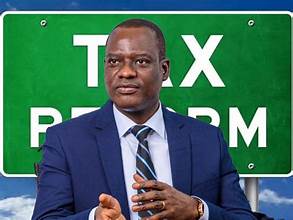
The economic turbulence that followed the removal of petrol subsidies and the liberalisation of Nigeria’s foreign exchange market was an inevitable consequence of correcting years of market distortions, according to the Chairman of the Presidential Committee on Fiscal Policy and Tax Reforms, Taiwo Oyedele.
Speaking during an interview with journalists, Oyedele argued that the reforms, though painful in the short term, were necessary to address structural imbalances that had long undermined economic efficiency, strained public finances and discouraged productive investment.
His comments come as policymakers seek to defend two of the most consequential economic reforms undertaken by the current administration, measures that triggered sharp increases in fuel prices, accelerated inflation and intensified cost-of-living pressures across households and businesses.
According to Oyedele, the government anticipated the immediate consequences of removing fuel subsidies and allowing market forces to play a greater role in determining exchange rates.
The reforms effectively ended years of implicit state support that had kept petrol prices and foreign exchange rates below market levels. While the policies were intended to improve fiscal sustainability and restore investor confidence, they also exposed consumers and businesses to higher energy, transportation and import costs.
“You remove the subsidy, fuel prices would go up. Transportation is affected. Logistics is affected. Price pressure, inflation. Those things would happen,” he said.
The government now believes the economy is emerging from the most difficult phase of that adjustment cycle.
Recent economic indicators have shown signs of improvement, including moderating inflation, relative stability in the foreign exchange market and gradual expansion in economic activity. Although growth remains modest, officials argue that the underlying direction of the economy is becoming more favourable.
For investors and businesses, the next phase of reforms is expected to focus less on stabilisation and more on unlocking productivity. Oyedele said investments in power, infrastructure and skills development would be central to sustaining growth and improving competitiveness.
Attention is also shifting to government revenue mobilisation as authorities seek to strengthen public finances without introducing excessive tax burdens on compliant businesses.
Oyedele acknowledged that weak tax compliance remains a major challenge, particularly among influential individuals and organisations that have historically operated outside effective enforcement mechanisms.
He said ongoing compliance measures are targeting multinational corporations, operators in special economic zones, government agencies and high-net-worth individuals as part of broader efforts to expand the tax net and improve revenue collection.
The remarks suggest that while the government considers the most disruptive phase of economic adjustment largely complete, policy attention is increasingly turning to converting macroeconomic stability into measurable gains for businesses, investors and households.
Discover more from Keeping Them Honest
Subscribe to get the latest posts sent to your email.