

…Trump Announces Dramatic Last-Minute 2-Week Ceasefire With Iran
By Peter Salami
In a dramatic eleventh-hour pivot that pulled the world back from the edge of a potentially catastrophic war, U.S. President Donald Trump on Tuesday announced a two-week ceasefire with Iran, just hours before a self-imposed deadline to unleash devastating military action.
Trump, who had earlier threatened to wipe out “a whole civilisation” if Tehran failed to reopen the strategically vital Strait of Hormuz, said he agreed to suspend planned bombardments following urgent diplomatic interventions led by Shehbaz Sharif and Pakistan’s military chief, Asim Munir.
“Subject to the Islamic Republic of Iran agreeing to the COMPLETE, IMMEDIATE, and SAFE OPENING of the Strait of Hormuz, I agree to suspend the bombing and attack of Iran for a period of two weeks. This will be a double-sided CEASEFIRE!” Trump declared on Truth Social.
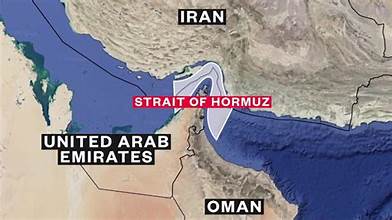
The breakthrough came after more than a month of escalating hostilities and a crippling blockade of the Strait of Hormuz—one of the world’s most critical energy chokepoints, through which roughly 20 per cent of global LNG and a quarter of seaborne oil trade pass annually.
Confirming the deal, Iran’s Foreign Minister, Abbas Araghchi, said Tehran would allow the resumption of controlled maritime traffic through the strait, but only under strict conditions and coordination with its armed forces.
“For a period of two weeks, safe passage through the Strait of Hormuz will be possible… with due consideration of technical limitations,” Araghchi said, adding that Iran would suspend “defensive operations” only if attacks by the United States and its allies cease.
Despite the apparent de-escalation, Iranian authorities signalled that the war is far from over. The country’s Supreme National Security Council warned that the ceasefire does not constitute a final settlement, insisting that a lasting end to hostilities hinges on Washington accepting Tehran’s 10-point proposal and concluding detailed negotiations.
Trump, however, struck an optimistic tone, claiming that “almost all” contentious issues between both sides had been resolved and that the two-week window would allow a “definitive Agreement concerning Long-term PEACE.”
The White House further underscored the sudden pause in hostilities by calling an early lid, suggesting no further public engagements by Trump for the rest of the evening.
Pakistan, which played a central mediating role, announced that the ceasefire had taken immediate effect across multiple theatres, including Lebanon. Sharif said formal negotiations would commence in Islamabad on Friday, April 10, raising cautious hopes for a broader diplomatic resolution.
However, uncertainty lingers. Israel, a key player in the conflict, had yet to officially respond to the ceasefire at the time of filing this report.
Meanwhile, global markets have reacted sharply to the weeks-long disruption. The benchmark Brent crude surged past $150 per barrel, reflecting mounting fears over supply shocks tied to the Hormuz blockade and the looming threat of full-scale war.
The Strait, sandwiched between Iran to the north and Oman’s Musandam Peninsula to the south, remains the world’s most sensitive oil transit corridor, and any instability there reverberates instantly across global energy markets.
While the ceasefire offers a temporary reprieve, analysts warn that the situation remains highly volatile. With negotiations set to begin and multiple actors still on edge, the next two weeks could prove pivotal in determining whether the world inches toward lasting peace or slides back toward the brink.
Discover more from Keeping Them Honest
Subscribe to get the latest posts sent to your email.