

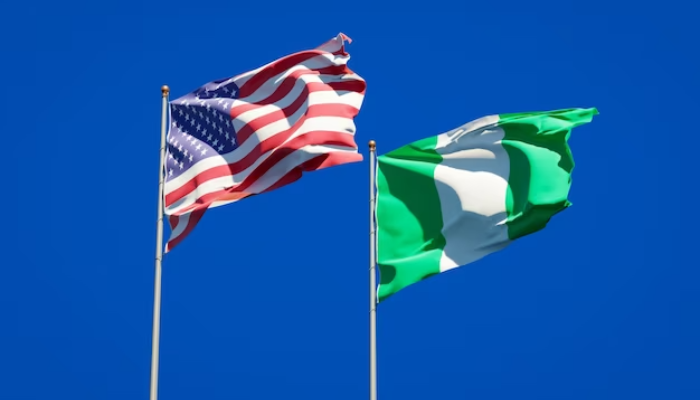
The Consul-General of Nigeria in New York, Amb. Abubakar Jidda, said Nigeria is unwaveringly committed to strengthening bilateral trade and investment ties with the United States.
Jidda made the call in Cleveland, Ohio, while delivering the keynote address at the 14th Annual Trade and Investment Summit of the Nigeria-USA Chamber of Commerce on Saturday.
NAN quoted Jidda as saying that Nigeria remains open for business and urged U.S. stakeholders and the Nigerian diaspora business community to take advantage of far-reaching reforms under President Bola Tinubu’s Renewed Hope Agenda to invest in key sectors of the Nigerian economy.
“Nigeria is sending a clear and coordinated message to global partners: We are reforming, we are resilient and we are ready,” Jidda said, calling on investors to leverage Nigeria’s strategic reforms and immense economic potential.
“For Nigeria and the United States, this is the time to move from diplomacy to concrete deliverables owing to the longstanding relations between the two countries,” Jidda said.
According to him, the volume of trade between Nigeria and the U.S. was over $8.1 billion in 2024 while Nigeria’s non-oil exports to the U.S. grew by over 15 per cent, highlighting the trade and investment relationship between the two countries.
He said recent landmark policy shifts such as the removal of fuel subsidies, foreign exchange unification, tax reforms and business environment enhancements demonstrated Nigeria’s commitment to creating the enabling environment for a private sector-led diversified economy.
The envoy further highlighted government’s initiatives to liberalise trade, improve market access and institutionalize legal and regulatory frameworks to protect foreign investment.
The diplomat stressed that no serious investor looking for long-term growth and appreciable return on investment could afford to ignore Nigeria.
He added, “Nigeria is the largest economy in Africa with a population of over 220 million, a youthful and dynamic labour force and access to the $3.4 trillion African Continental Free Trade Area.
“Investors in Nigeria are not just entering a country, they are accessing an entire continent,” he said, urging investors “to come to Nigeria, invest in Nigeria and grow with Nigeria.”
Jidda outlined 10 key pillars driving Nigeria’s international trade and investment policy, including trade liberalization, investment protection, ease of doing business reforms, infrastructure modernization, export diversification and public-private partnerships.
Discover more from Keeping Them Honest
Subscribe to get the latest posts sent to your email.