

…Body Cites Stronger Growth, Robust External Buffers, Macroeconomic Stability
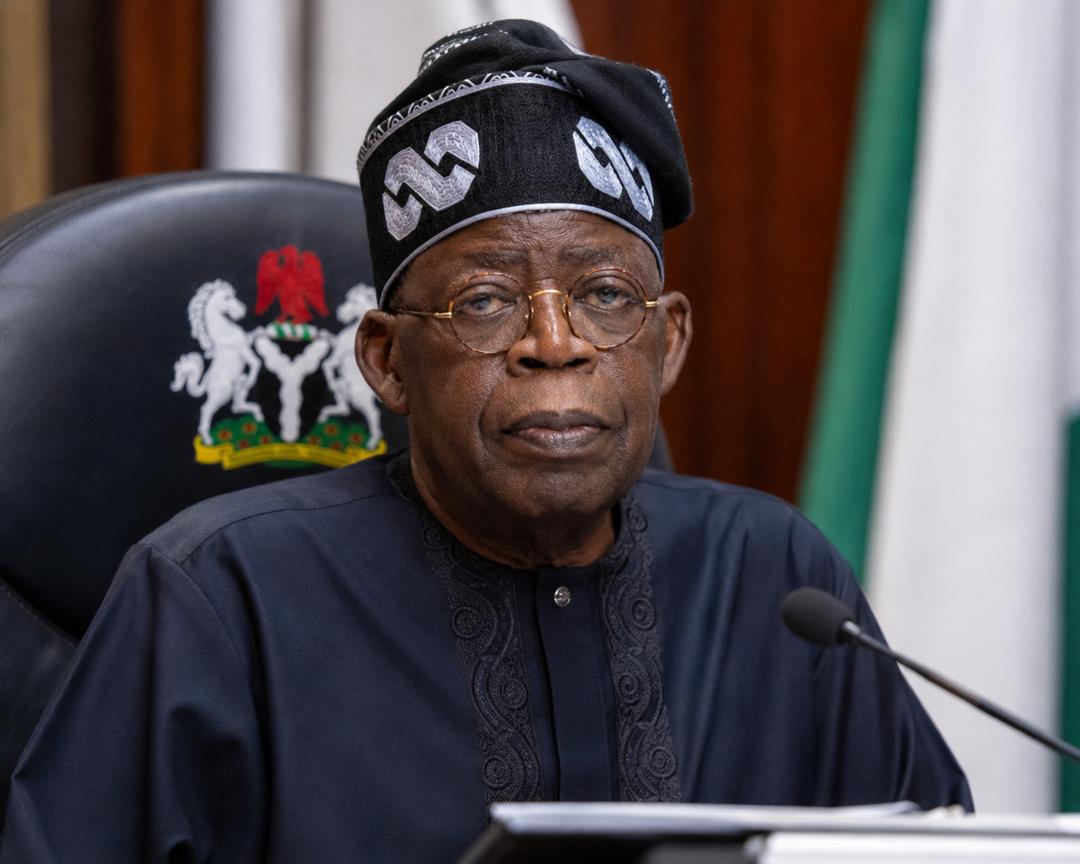
The Presidency last night hailed Moody’s Ratings’ decision to upgrade Nigeria’s sovereign credit outlook from stable to positive, describing it as another positive international assessment of President Bola Tinubu’s economic reforms.
Special Adviser to the President on Information and Strategy, Bayo Onanuga, said the latest assessment underscored the improving fundamentals of the Nigerian economy and the impact of reforms pursued by the Tinubu administration.
“President Tinubu’s economic reforms earn another positive rating from Moody’s,” Onanuga said in reaction to the development.
He noted that Moody’s revised Nigeria’s credit outlook to positive after citing stronger-than-expected economic growth, stronger external buffers, and greater macroeconomic stability.
According to him, the rating agency also expects rising oil production to provide further support for economic growth in 2026 and 2027.
Onanuga said the outlook revision brings Nigeria, Africa’s largest oil producer and refiner, closer to a possible credit-rating upgrade and reinforces the administration’s commitment to fiscal consolidation and economic reforms.
Moody’s Ratings announced the revision on Friday, August 28, while affirming Nigeria’s long-term issuer rating at B3.
The decision to move the outlook from stable to positive is significant because it signals an improvement in the balance of risks surrounding Nigeria’s sovereign credit profile and raises the prospect of a future rating upgrade if the current economic trajectory is sustained.
Moody’s attributed the improved outlook to stronger-than-expected economic performance, improvements in Nigeria’s external position, and greater capacity to withstand external shocks.
The ratings agency said rising crude oil production and petroleum product exports were also expected to strengthen the economy and support growth over the next two years.
Moody’s analysts Jorge Valez and Matt Robinson said sustained economic growth would enhance Nigeria’s ability to absorb external shocks while strengthening the country’s economic resilience.
The analysts said the stronger growth, “if sustained, would enhance the country’s capacity to absorb external shocks, strengthen economic resilience, and, over time, support a gradual increase in government revenue.”
The assessment provides another boost for the Tinubu administration, which has implemented wide-ranging economic reforms since assuming office in May 2023.
The government’s programme has included the removal of the petrol subsidy, foreign exchange market reforms, fiscal consolidation, measures to increase government revenues, efforts to raise crude oil production, and initiatives aimed at attracting domestic and foreign investment.
After the initial economic disruptions associated with the reforms, the administration has maintained that improvements in growth, government revenue, foreign reserves, investment, and other indicators show that the economy is gradually moving onto a stronger and more sustainable footing.
The improvement in Nigeria’s external buffers was particularly highlighted by Moody’s as one of the factors supporting the positive outlook.
The development also comes amid increasing domestic refining capacity, which is reducing Nigeria’s longstanding dependence on imported petroleum products while creating opportunities for the country to emerge as an exporter of refined products.
Rising crude production and petroleum product exports, Moody’s said, should further strengthen Nigeria’s external position and support economic expansion in 2026 and 2027.
The agency, however, retained Nigeria’s sovereign rating at B3, six levels below investment grade, pointing to challenges that the government still needs to address.
Among them are debt affordability concerns, with interest payments continuing to consume a substantial share of government revenue because of the country’s relatively weak revenue-generating capacity.
Moody’s also identified weaknesses in public financial management, expenditure control, and budget implementation as continuing constraints.
Despite those challenges, the upgrade of the outlook to positive indicates that Moody’s believes Nigeria’s credit profile could strengthen further if the current growth momentum, improvements in external buffers, and fiscal reforms are sustained.
Discover more from Keeping Them Honest
Subscribe to get the latest posts sent to your email.