

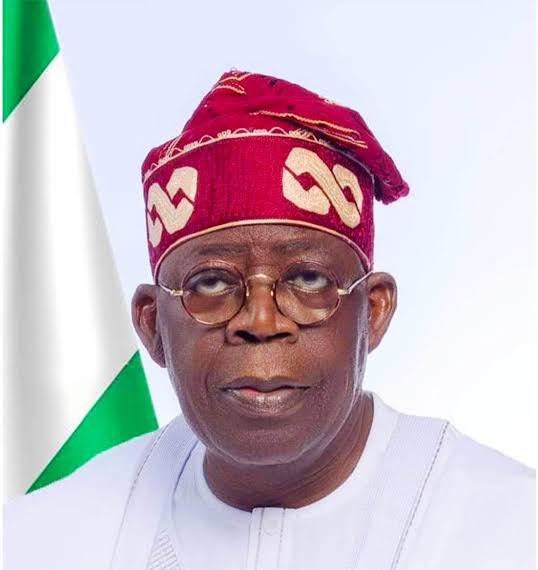
By Yinka Giwa
President Bola Tinubu is expected in New York in September for activities around the 81st United Nations General Assembly (UNGA), where he will chair a high-level summit aimed at repositioning Africa from a supplier of raw critical minerals to a major processing and manufacturing hub.
The Third High-Level Roundtable on Critical Minerals Development in Africa is scheduled for September 21, 2026, in Manhattan, on the sidelines of the UN General Assembly.
The meeting is being convened by the Africa Minerals Strategy Group (AMSG), with Tinubu participating in his capacity as Chairman of the organisation’s General Assembly.
The summit, themed “From Resources to Wealth: Continental Cooperation for Mineral Value Addition,” is expected to bring together African heads of state and government, senior government officials, investors, development finance institutions, and executives from the mining, technology, manufacturing, and logistics sectors.
At the heart of the discussions will be Africa’s longstanding dependence on exporting minerals in raw or minimally processed form, despite possessing substantial deposits of some of the resources increasingly driving the global energy and technology economies.
The continent has significant reserves of lithium, cobalt, copper, graphite, manganese, and rare earth elements — minerals considered increasingly important for electric vehicles, battery storage, renewable energy systems, artificial intelligence infrastructure, advanced manufacturing, and defence technologies.
However, much of the higher economic value associated with these resources is currently generated outside the continent through refining, processing, component production, and manufacturing.
The AMSG summit is expected to push for a change in that model by encouraging African countries to coordinate policies that would support domestic and regional processing, manufacturing, and stronger integration of mineral value chains.
Under the emerging strategy, African countries would seek to retain a larger proportion of the wealth generated from their natural resources rather than remaining predominantly exporters of raw materials to industrial economies.
The New York meeting is also expected to examine ways of attracting long-term investment into processing facilities and supporting infrastructure, improving supply-chain security, and strengthening Africa’s collective bargaining position in an increasingly competitive global market for strategic minerals.
Tinubu and other African leaders are expected to consider a proposed Continental Integration and Economic Assurance Declaration, designed to provide a framework for cooperation among mineral-producing countries.
The proposed declaration would cover policy coordination, investment mobilisation, local value addition, and security of mineral supply chains.
The AMSG is equally proposing the creation of a CIEAD Finance Window through which funding could be mobilised for mineral processing plants, infrastructure, and technology required to establish competitive African value chains.
The initiative builds on the Mutual Assured Development framework unveiled at the African Natural Resources and Energy Investment Summit in Abuja earlier in 2026.
Organisers say the September summit is intended to move the continent’s critical-minerals agenda beyond declarations and policy conversations towards financing, investment commitments and implementation.
Nigeria’s Minister of Solid Minerals Development, Dele Alake, who chairs the AMSG Ministerial Steering Committee, is expected to play a leading role at the meeting alongside the group’s Secretary-General, Moses Michael Engadu.
Development finance institutions, the Africa Finance Corporation, multilateral organisations and major private-sector operators are also expected to participate.
The Africa Minerals Strategy Group was established by African governments in January 2024 as a platform for coordinating policies, investments and strategic partnerships around the continent’s critical mineral resources.
Its broader objective is to strengthen Africa’s influence in the global minerals economy at a time when competition for lithium, cobalt, graphite, rare earths and other strategic resources is intensifying because of the global transition towards cleaner energy and increasingly technology-intensive industries.
For Nigeria, the New York meeting also comes as the Tinubu administration seeks greater foreign investment in solid minerals and attempts to diversify government revenues and export earnings beyond crude oil.
Tinubu’s chairmanship of the September 21 roundtable will therefore place Nigeria at the centre of discussions over whether Africa can translate its enormous mineral endowment into processing capacity, industrial production, jobs and a greater share of the value generated from resources extracted on the continent.
Discover more from Keeping Them Honest
Subscribe to get the latest posts sent to your email.