

• Targets cheaper food, lower inflation, household relief; moves to slash fares with joint CNG, electric vehicle funding
By Jeremy Fregene
The National Economic Council (NEC) has approved a 90-day economic action plan aimed at bringing down the cost of food and transportation, easing pressure on household finances and ensuring that the gains of ongoing economic reforms translate into tangible benefits for Nigerians.
The Council also moved to accelerate the rollout of cheaper Compressed Natural Gas (CNG) and electric-powered transportation, directing the Federal and State Governments to establish a joint financing framework and ensure that savings enjoyed by transport operators are passed directly to commuters through lower fares.
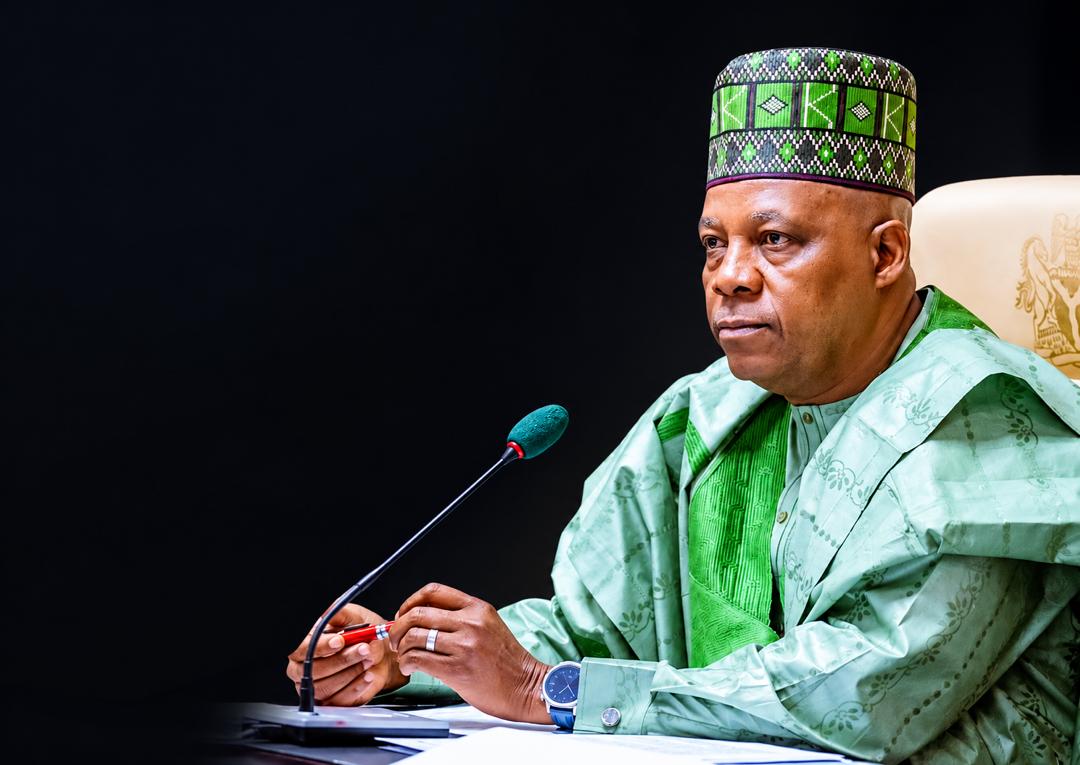
The decisions were taken at NEC’s 161st meeting, held virtually on Thursday and chaired by Vice President Kashim Shettima.
The 90-day programme, presented by the Minister of Finance and Coordinating Minister of the Economy, Taiwo Oyedele, identified five immediate priorities: food affordability, tax harmonisation, completion of high-impact projects, removal of investment bottlenecks and targeted household support.
NEC also approved a national dashboard to track projects across the federation and strengthen transparency and accountability, particularly in the utilisation of additional revenues arising from the removal of petrol subsidy.
Oyedele told the Council that the next phase of the Tinubu administration’s economic programme would focus increasingly on translating improvements in economic indicators into measurable gains for households and businesses.
Reducing headline inflation and interest rates to single digits by 2027 was identified as a major policy objective, alongside stronger coordination between the Federal Government and the states.
Shettima said President Bola Tinubu’s reforms would ultimately be judged by their impact on the daily lives of Nigerians, charging governments at all levels to prioritise affordable transportation, healthcare, jobs, and greater financial security.
“The first dividend of prosperity should be the confidence to plan a life. Our task is to make such confidence less dependent on fortune,” the Vice President said.
He was particularly emphatic on transportation costs, insisting that the CNG initiative must be measured by how much money it saves ordinary Nigerians rather than simply by the number of buses deployed.
“The cost of reaching a livelihood should never consume the livelihood itself,” Shettima said.
“The passenger’s experience must guide our ambition, because the value of public transport resides in the journeys it makes possible. We should assess success through affordability and access, rather than fleet size alone.”
NEC consequently resolved that the Federal and State Governments should develop a joint financing arrangement to accelerate the deployment of CNG and electric vehicles nationwide.
Transport unions and operators are also to be engaged to ensure that the lower operating costs associated with alternative-energy vehicles translate into cheaper fares for passengers.
A committee will coordinate the financing framework, engage stakeholders, and develop measures to make the scheme affordable and sustainable.
“Our separate mandates must not become competing excuses,” Shettima told the governors, stressing that federal and state institutions must work together to deliver practical improvements in people’s lives.
On food security and employment, NEC also moved to accelerate livestock reforms, acknowledging the sector’s potential to create jobs, raise incomes, and stimulate economic activity. All states have indicated interest in supporting the Federal Government’s livestock development initiatives.
The Council also addressed public health challenges, receiving an update from the Minister of Health and Social Welfare, Prof. Muhammad Ali Pate, on the reported Ebola outbreak in the Federal Capital Territory.
Pate assured NEC that Nigeria had the institutional capacity to contain the situation, outlining measures covering surveillance at entry points, laboratory testing, logistics, protective equipment, coordination, and public communication.
He said 21 states had updated their emergency response plans and urged the remaining 15 to do so without delay.
NEC equally strengthened the nationwide drive against polio, directing states to review immunisation campaigns, identify children missed during previous exercises, and improve coverage in communities affected by insecurity.
The Council called for timely release of counterpart funds, stronger routine immunisation, and closer collaboration among governors, traditional rulers, and security agencies.
Across the decisions, NEC stressed one overriding objective: the improving economic outlook must now be converted into cheaper food and transportation, more jobs, better healthcare, and greater financial security for Nigerian families.
“Nigerians deserve institutions on which they can organise their lives,” Shettima said. “Providing that assurance is among the most consequential uses of public authority. That is the assurance we owe them.”
Discover more from Keeping Them Honest
Subscribe to get the latest posts sent to your email.