

By Abu Adamu
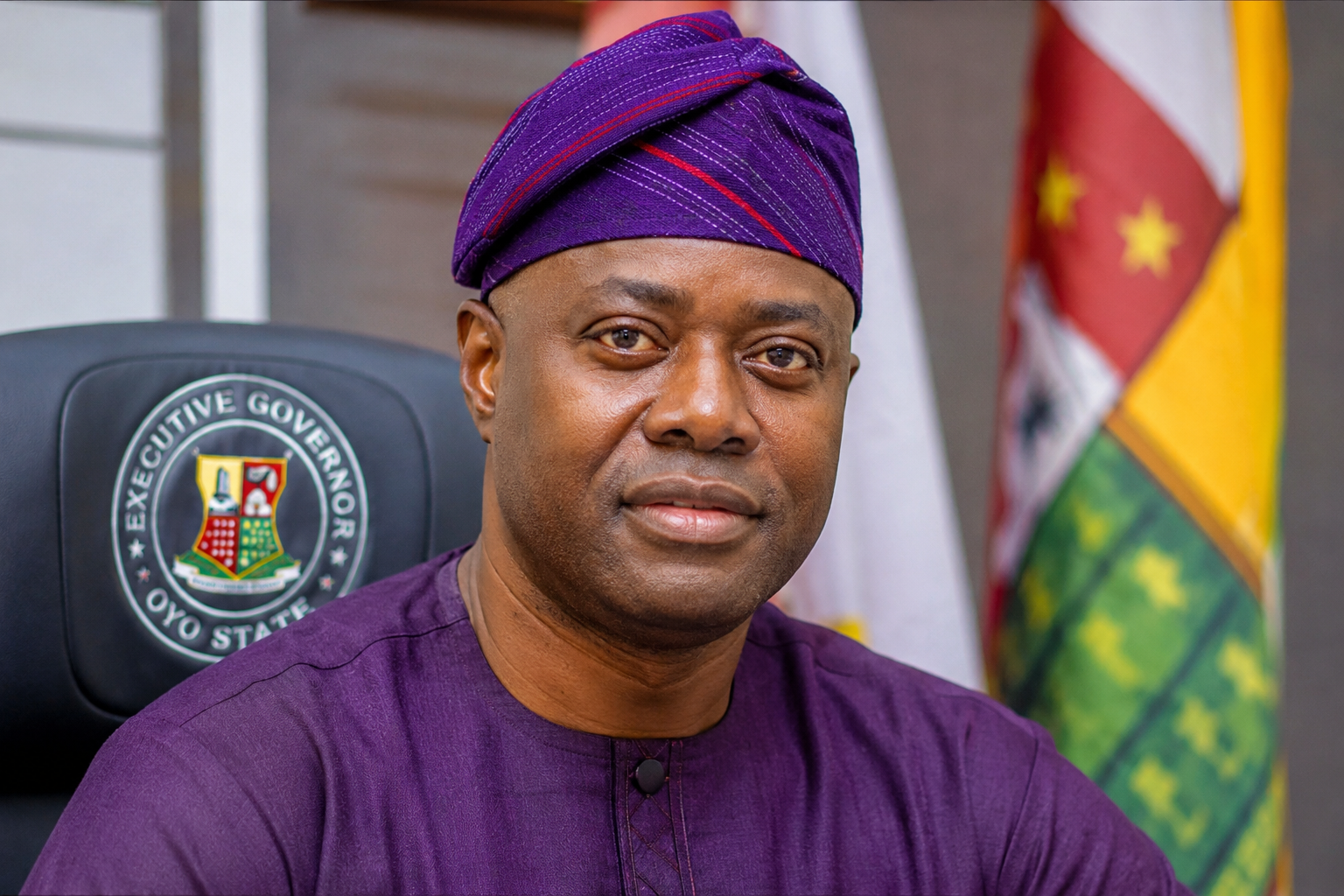
The presidential candidate of the Allied Peoples Movement (APM), Governor Seyi Makinde of Oyo State, has named former Director-General of the Department of State Services (DSS), Lawal Musa Daura, as his running mate for the 2027 presidential election, a decision already attracting attention because of Daura’s controversial tenure as Nigeria’s spy chief under former President Muhammadu Buhari.
Makinde unveiled Daura on Thursday at the APM National Convention in Bauchi, describing the task before the opposition as one that goes beyond merely winning power.
The Oyo State governor said the overriding objective was to present Nigerians with a credible alternative capable of rescuing the country and guaranteeing a better future.
“As we approach 2027, therefore, I believe the task before all of us is bigger than winning an election. It is to give Nigerians a real choice about the future of their country,” Makinde declared.
Daura, who recently defected to the APM after resigning from the African Democratic Congress (ADC), replaces Ibrahim Adamu Bala, who had earlier been announced as Makinde’s running mate in what party officials described as a placeholder arrangement.
However, Daura’s emergence has revived memories of one of the most controversial episodes of the Buhari administration—the October 2016 midnight raids on the homes of serving judges by operatives of the Department of State Services.
As Director-General of the DSS at the time, Daura oversaw the coordinated overnight operations carried out between October 7 and 8, 2016, during which operatives stormed the residences of several senior judicial officers, including Supreme Court Justices Sylvester Ngwuta and John Okoro, as well as Justice Adeniyi Ademola of the Federal High Court.
The raids, conducted in the dead of night, triggered nationwide outrage and were condemned by the Nigerian Bar Association (NBA), senior lawyers, civil society organisations, and human rights groups, many of whom described the operation as unconstitutional and an assault on the independence of the judiciary.
Critics argued that the DSS ought to have referred allegations against judicial officers to the National Judicial Council (NJC), the constitutionally recognised body responsible for disciplining judges, rather than carrying out dramatic arrests.
The operations also generated a series of legal actions.
Lawal Daura was named as a principal respondent in several fundamental rights suits instituted by lawyers challenging the legality of the raids, alongside then President Muhammadu Buhari and the Attorney-General of the Federation, Abubakar Malami.
The Federal High Court in Abuja subsequently directed Daura and other senior government officials to appear before it and justify the legality of the arrests and the proposed prosecution of the affected judges.
At the time, the Presidency and the DSS defended the operation as part of the Federal Government’s anti-corruption campaign, insisting the agency acted within the law to tackle alleged judicial corruption.
The affected judges, however, maintained that their constitutional rights had been violated, while many legal practitioners argued that the operation represented executive overreach and undermined judicial independence.
Makinde’s decision to bring Daura onto the APM presidential ticket is already generating fresh political debate, as critics revive questions surrounding his stewardship of the country’s secret police and the controversial 2016 raids that remain one of the defining episodes of the Buhari administration.
Discover more from Keeping Them Honest
Subscribe to get the latest posts sent to your email.