

…Says Ex-Lawmakers, Orji Kalu, Awujale’s Memoirs Prove Ex-President Claims of Disloyalty False
By Chike Ofili
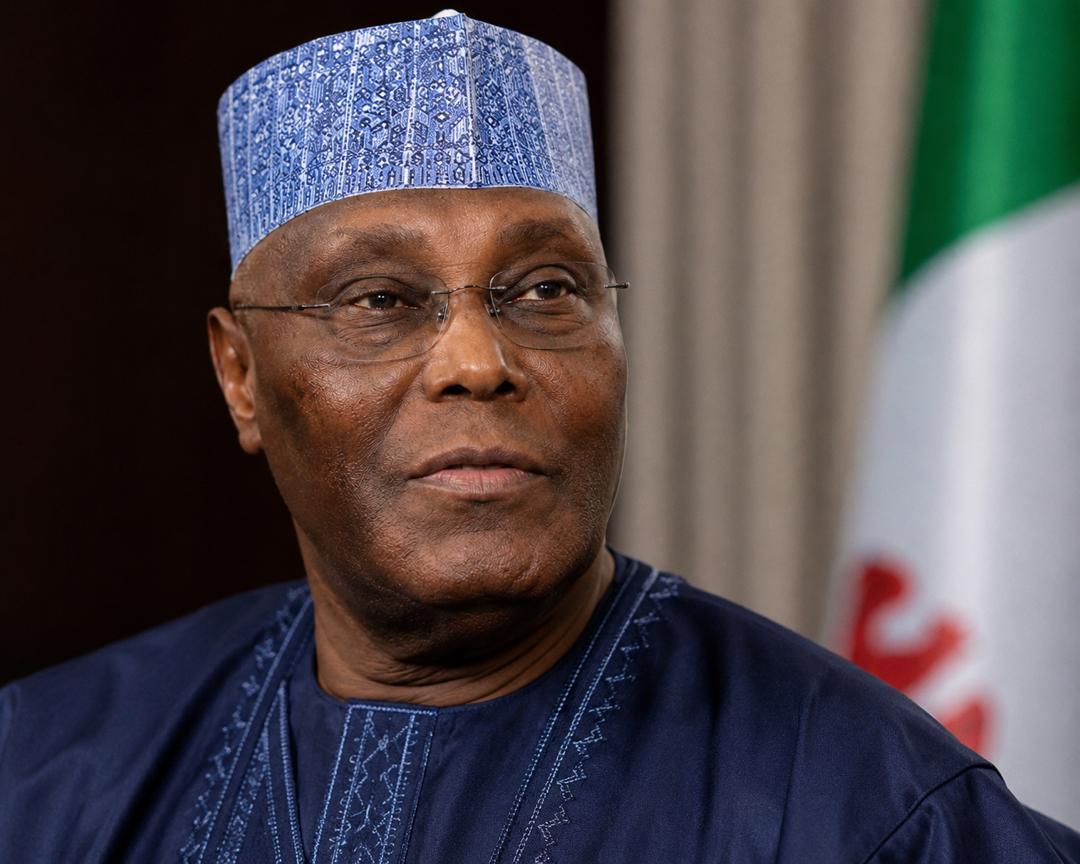
Presidential candidate of the African Democratic Congress (ADC), Atiku Abubakar, on Sunday accused former President Olusegun Obasanjo of waging a two-decade campaign of political manipulation, falsehoods, and character assassination against him, saying recent testimonies by key political actors and historical accounts had exposed what he described as the collapse of the former president’s long-standing narrative.
Atiku made the assertion in a statement signed by his Media Adviser, Paul Ibe, in response to Obasanjo’s recent allegation that the former vice president enlisted the late Speaker of the House of Representatives, Rt. Hon. Ghali Umar Na’Abba, in an attempt to impeach him during their years in office.
Describing the allegation as baseless and politically motivated, Atiku said Obasanjo had made it a pattern to resurrect allegations against him whenever Nigeria approaches another election cycle.
He argued that the former president deliberately invoked the name of the late Na’Abba because the former Speaker was no longer alive to challenge the claim.
According to Atiku, former House of Representatives Chief Whip, Hon. Abubakar Bawa Bwari, who played a central role during the political crisis of that era, has publicly contradicted Obasanjo’s version of events.
Rather than plotting Obasanjo’s removal, Atiku said Bwari maintained that Na’Abba never sought the former president’s impeachment and that he, Atiku, actually served as Obasanjo’s emissary in efforts to resolve disagreements between the Presidency and the National Assembly.
The former vice president also pointed to a resurfaced 2003 video featuring former Abia State Governor, Senator Orji Uzor Kalu, which he said debunked the long-circulated claim that Obasanjo knelt before him to secure support for a second-term ticket.
Instead, Atiku said Kalu revealed that it was he who knelt before PDP governors to persuade them to support Obasanjo’s re-election despite mounting opposition within the party.
Quoting Kalu, Atiku said he humbled himself before about 17 PDP governors because he considered it an act of loyalty to Obasanjo, who had entrusted him with the office of vice president.
He added that Kalu’s account also confirmed that it was the many PDP governors who had become dissatisfied with Obasanjo’s leadership style that were considering drafting him into the presidential race.
According to Atiku, Kalu disclosed that plans to make him president had reached an advanced stage before he personally rejected the proposal, insisting that he could not betray Obasanjo.
The former vice president also revisited the controversy surrounding the Petroleum Technology Development Fund (PTDF), maintaining that allegations of fund diversion against him formed part of a broader political campaign designed to frustrate his presidential ambition because of his opposition to Obasanjo’s controversial third-term agenda.
He recalled that he voluntarily waived the immunity attached to his office to appear before investigators and consistently maintained that the PTDF funds remained safely lodged in fixed deposit accounts.
Atiku further relied on revelations contained in the autobiography of the late Awujale of Ijebuland, Oba Sikiru Adetona, who accused the Obasanjo administration of deploying the Economic and Financial Crimes Commission (EFCC) under its then Chairman, Nuhu Ribadu, to target Globacom Chairman, Dr. Mike Adenuga.
According to Atiku, the late monarch wrote that Obasanjo sought to use investigations involving Adenuga to implicate him in the PTDF controversy despite evidence that the telecommunications entrepreneur financed Globacom’s operating licence through a loan obtained from BNP Paribas Bank.
He said the Awujale’s memoir portrayed Obasanjo as acting out of political and personal interest rather than public accountability, adding that no prosecution followed after the former president left office because there was never any genuine case against Adenuga.
Atiku also cited the monarch’s account that, while Adenuga was under investigation and later in exile, Obasanjo simultaneously sought the businessman’s financial assistance for the construction of the administrative block of Bells University, Ota.
According to Atiku, the episode exposed a cruel contradiction in Obasanjo’s anti-corruption posture.
He maintained that successive testimonies from former political associates, legislators, and respected national figures had steadily dismantled what he described as Obasanjo’s “campaign of lies, political manipulation, and orchestrated deceit” against him.
The former vice president insisted that attempts to portray him as disloyal or corrupt had become increasingly difficult to sustain in the face of contrary historical evidence and first-hand accounts from principal actors involved in the events.
Discover more from Keeping Them Honest
Subscribe to get the latest posts sent to your email.