

…Gov. Oborewvori Announces Landmark Accord by Urhobo, Ijaw, Itsekiri Leaders
By Chike Ofili
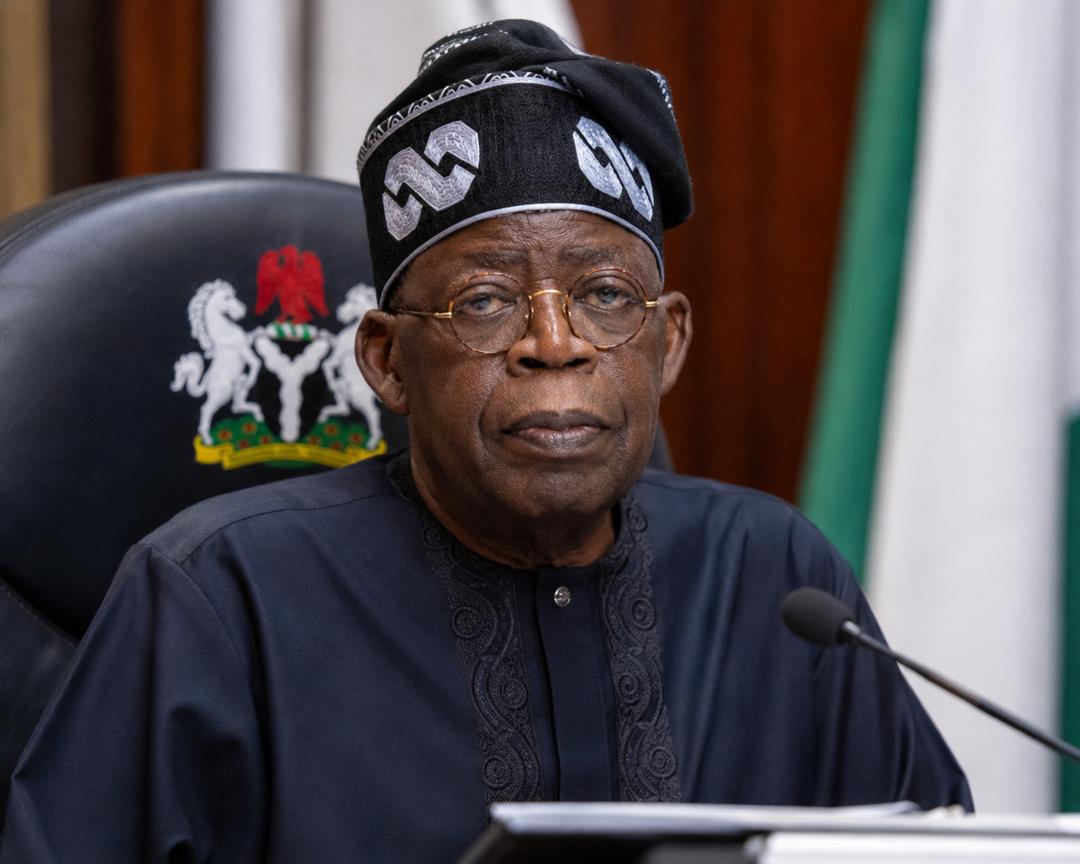
Months of ethnic tensions, political uncertainty, and protests over the controversial ward and polling unit delineation exercise in Delta State’s oil-rich Warri Federal Constituency appear headed for resolution after President Bola Ahmed Tinubu personally stepped in to broker a peace accord among leaders of the Ijaw, Urhobo, and Itsekiri ethnic nationalities.
The breakthrough was achieved on Thursday during a high-powered meeting convened by the President in Abuja and attended by Delta State Governor Sheriff Oborevwori alongside influential political, traditional, and community leaders from the three ethnic groups.
The agreement marks the most significant effort yet to defuse a crisis that has threatened peace in one of Nigeria’s most strategic oil-producing regions and sparked fears of wider ethnic and political unrest.
The dispute erupted following the implementation of a Supreme Court judgment by the Independent National Electoral Commission (INEC), which undertook a fresh delineation of electoral wards and polling units across Warri South, Warri North, and Warri South-West local government areas.
The exercise generated sharp disagreements among the Ijaw, Urhobo, and Itsekiri communities, with each group expressing concerns over representation, political inclusion, and the implications of the new electoral structure.
The controversy triggered protests, heated political exchanges, and growing tension across the constituency, attracting national attention because of the area’s central role in Nigeria’s oil and gas economy.
Announcing the outcome of Thursday’s meeting, Governor Oborevwori praised President Tinubu for what he described as a decisive intervention that paved the way for consensus among the disputing parties.
“I wish to express my profound gratitude to Mr President for his decisive intervention in resolving the Warri Federal Constituency ward delineation matter,” the governor said.
According to him, all stakeholders accepted terms of settlement designed to guarantee peace, fairness, and harmonious coexistence among the affected communities.
Oborevwori also commended leaders of the Ijaw, Urhobo, and Itsekiri ethnic nationalities for embracing dialogue and demonstrating a willingness to place peace above sectional interests.
“This is a time for all of us to come together as one people, strengthen our bonds of brotherhood, and work collectively for the peace, stability, and progress of our state,” he said.
The governor urged all parties to put the overall interest of Delta State ahead of ethnic and political considerations, expressing confidence that the agreement would strengthen unity and accelerate development across the region.
Political observers believe Tinubu’s intervention has significantly reduced tensions surrounding the delineation controversy and may help prevent further conflict as political activities begin to gather momentum ahead of the 2027 general elections.
The matter gained additional significance following INEC’s recent restoration of the Warri South-West II and Warri North II State Constituencies in compliance with judicial directives, a move that further intensified political interest in the area.
Thursday’s accord is being viewed as a major victory for dialogue and conflict resolution, particularly in a region where issues of representation and political identity have historically generated strong emotions.
Stakeholders now hope that the agreement will usher in a new era of cooperation among the three ethnic nationalities, bring an end to months of acrimony and uncertainty, and create a more stable environment for democratic participation and development in the Warri Federal Constituency.
For residents and political leaders alike, the settlement offers renewed hope that one of Delta State’s most contentious political disputes has finally been put to rest.
Discover more from Keeping Them Honest
Subscribe to get the latest posts sent to your email.