

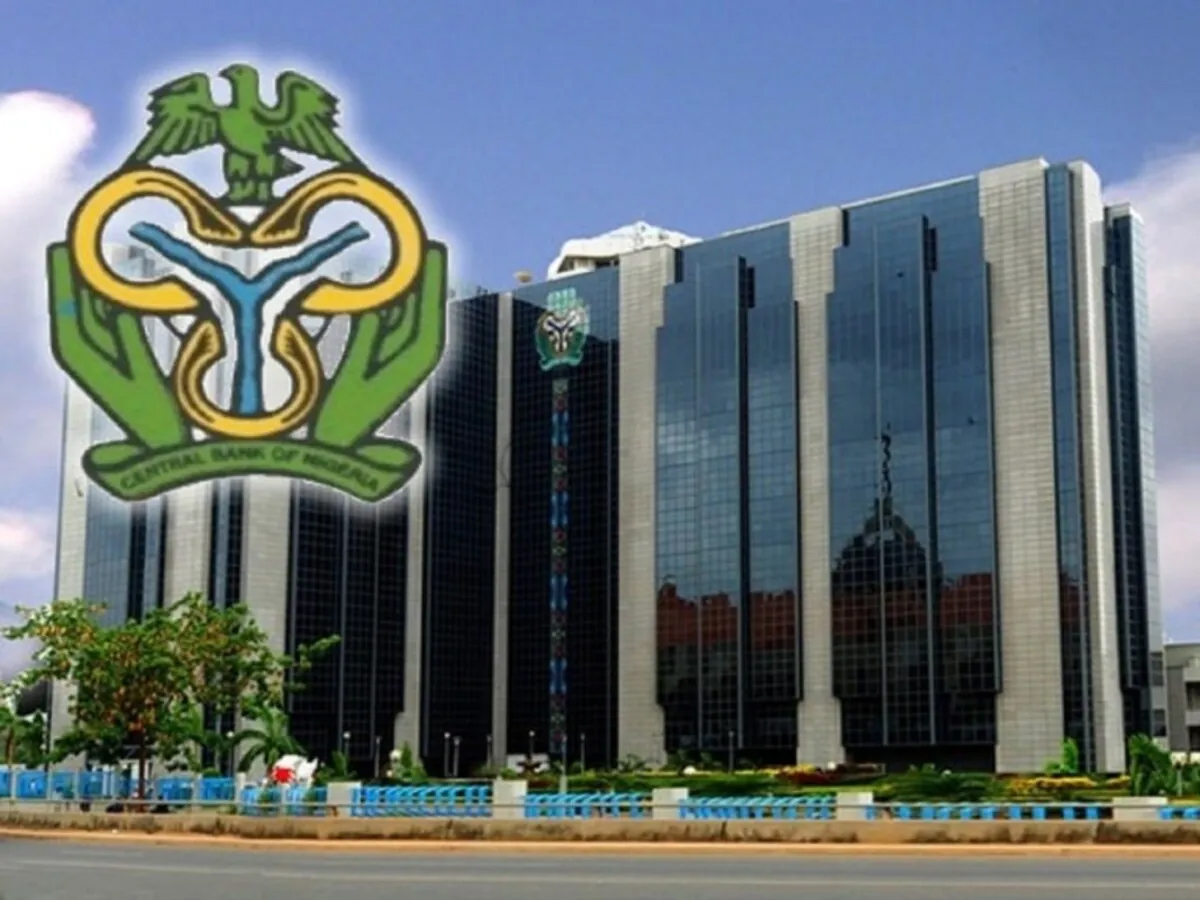
The Central Bank of Nigeria mopped up N4.11 trillion from the financial system within a week through aggressive Open Market Operations (OMO), underscoring its tightening stance as it seeks to rein in inflation and stabilise liquidity conditions.
Data released by the central bank at the close of trading on March 27 showed the scale of the intervention, with dual OMO auctions conducted on March 23 and March 27 draining N2.357 trillion and N1.753 trillion respectively. The operations were partly offset by inflows of about N2.985 trillion, leaving a net liquidity withdrawal of roughly N1.125 trillion.
The move comes against a backdrop of persistent excess liquidity in the banking system, with opening balances of banks and discount houses reaching a record N716.033 billion during the review period. Despite repeated interventions, system liquidity has remained elevated, driven by inflows from maturing securities and investor positioning.
The CBN’s tightening cycle has been reinforced by heavy use of its Standing Deposit Facility (SDF), where deposit money banks have parked trillions of naira to earn attractive overnight returns. Banking system data show deposits of N8.176 trillion and N6.592 trillion on Monday and Tuesday, followed by N7.968 trillion, N8.551 trillion and N6.800 trillion from Wednesday through Friday. The SDF rate, hovering above 22%, has incentivised banks to channel excess funds back to the central bank rather than extend credit to the real economy.
The scale and frequency of liquidity sterilisation highlight the regulator’s focus on price stability, but they have also reignited debate about the trade-offs between inflation control and economic growth. Since the start of 2026, the apex bank has deployed a mix of OMO auctions and Treasury bill issuances to absorb excess cash, withdrawing more than N13 trillion in January alone.
By March, however, liquidity conditions remained robust, with system balances exceeding N8 trillion at intervals despite repeated mop-ups. Analysts say this reflects structural dynamics in the market, where inflows from maturing instruments continue to offset tightening measures, forcing the CBN to sustain large and frequent interventions.
Market participants warn that while sterilisation helps anchor yields and manage foreign exchange pressures, it may also constrain credit creation. High policy rates and attractive risk-free returns at the SDF window have reduced the incentive for banks to lend to manufacturers and other productive sectors.
“If you want economic growth, you must be ready to accommodate some level of inflation,” said Olubunmi Ayokunle, head of financial institutions ratings at Augusto & Co., commenting on the policy stance. He noted that inflation risks are better managed by expanding productive capacity rather than aggressively restricting liquidity.
Blakey Ijezie, founder of Okwudili Ijezie & Co., argued that elevated borrowing costs are already feeding into higher prices. “When the monetary policy rate is high, banks pass those costs to businesses, and that ultimately pushes up prices,” he said, adding that continued sterilisation risks limiting funds available for expansion.
The debate comes as Bola Ahmed Tinubu pursues an ambitious plan to grow Nigeria’s economy to $1 trillion by 2030, a target that depends heavily on sustained investment and private sector growth.
Analysts say achieving that goal will require a delicate balance between maintaining price stability and ensuring adequate liquidity to support production. While the CBN’s actions may help tame inflation in the near term, prolonged tightening could dampen industrial activity and slow economic expansion.
For now, the central bank appears committed to its current course, signalling that further liquidity management operations may be necessary as it navigates persistent inflationary pressures and volatile capital flows.
Discover more from Keeping Them Honest
Subscribe to get the latest posts sent to your email.