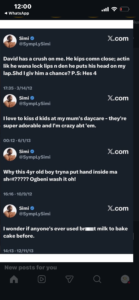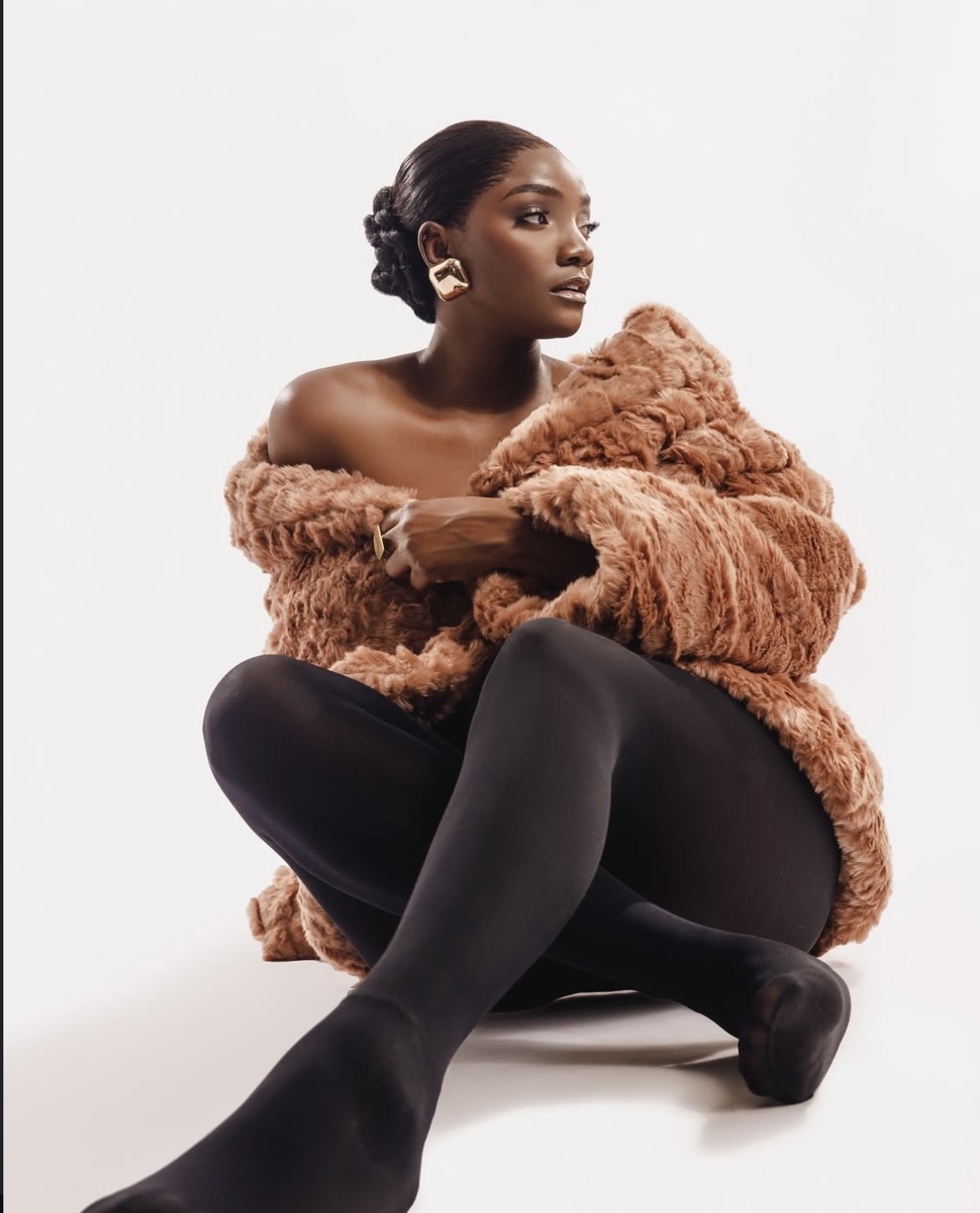
Over the previous weekend, Simi found herself at the centre of online scrutiny after old tweets resurfaced, sparking debate and discomfort across social media. The posts, written years ago, were interpreted by some as suggestive, raising questions about intent and meaning in a way only Twitter archives can.
As conversations intensified, the award-winning singer responded on Sunday, 22 February 2026, addressing the resurfaced tweets and the narrative forming around them:
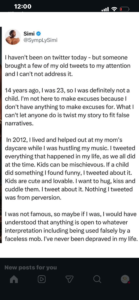
“I haven’t been on twitter today – but someone brought a few of my old tweets to my attention and I can’t not address it.
14 years ago, I was 23, so I was definitely not a child. I’m not here to make excuses because I don’t have anything to make excuses for. What I can’t let anyone do is twist my story to fit false narratives.
In 2012, I lived and helped out at my mom’s daycare while I was hustling my music. I tweeted everything that happened in my life, as we all did at the time. Kids can be mischievous. If a child did something I found funny, I tweeted about it.
Kids are cute and lovable. I want to hug, kiss and cuddle them. I tweet about it. Nothing | tweeted was from perversion.
I was not famous, so maybe if I was, I would have understood that anything is open to whatever interpretation including being used falsely by a faceless mob. I’ve never been depraved
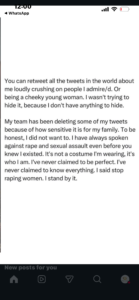
You can retweet all the tweets in the world about me loudly crushing on people I admire/d. Or being a cheeky young woman. I wasn’t trying to hide it, because I don’t have anything to hide.
My team has been deleting some of my tweets because of how sensitive it is for my family. To be honest, I did not want to. I have always spoken against rape and sexual assault even before you knew I existed. It’s not a costume I’m wearing, it’s who I am. I’ve never claimed to be perfect. I’ve never claimed to know everything. I said stop raping women. I stand by it.”
What made the moment even more layered was the comparison many began drawing with Ezra Olubi, co-founder of Paystack, who faced a similar wave of backlash last year over old social media posts. Observers noted that the public reaction then appeared markedly different.
So, the question lingered in timelines and comment sections alike: Is the outrage selective? Does gender influence the tone of public judgment? Or does social media simply thrive on whoever is trending at the moment?