

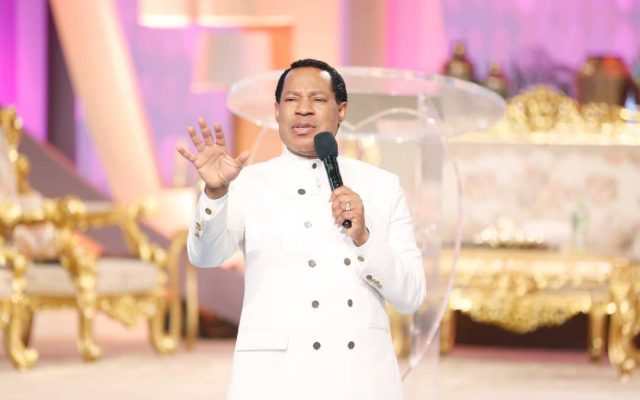
For a people whose prayer points are often crowded with requests for miracles, instant ones at that, it came as a shock to discover that Nigerians, this time, were not exactly in a receiving mood.
Earlier last week, Christ Embassy Church held a healing session aired live and led by its founder and lead pastor, Pastor Chris Oyakhilome. The session featured ten individuals described as crippled, brought into the arena on stretchers, clear visual cues of total incapacitation. After prayers and a dramatic countdown from one to ten, the moment unfolded swiftly. The once-immobile stood up. Some jumped. Others ran. Celebration erupted. On the surface, it was a triumphant display of faith and healing.
For a brief moment, joy reigned. Then the clips escaped church walls and entered the unforgiving court of social media.
As the videos circulated online, reactions became sharply divided. While some viewers affirmed that faith knows no calendar year and that miracles remain possible regardless of era, others were far less convinced. To them, the format felt outdated, almost theatrical, and strangely out of sync with 2026.
Also, because Nigerians are rarely known for holding back, the comment sections took a familiar turn. Accusations surfaced. Some insinuated the miracles were staged. Others suggested the “sick” participants had been paid. Faith, it seemed, was suddenly on trial, without legal representation.
What made the moment even more striking was the irony: a nation that prays fervently for divine intervention now squinting sceptically at the very sight of it. People who plead for instant miracles suddenly demand proof, receipts, and behind-the-scenes footage.
So, the question lingers, louder than the countdown ever was: When did Nigerians stop believing in instant miracles?
Discover more from Keeping Them Honest
Subscribe to get the latest posts sent to your email.