

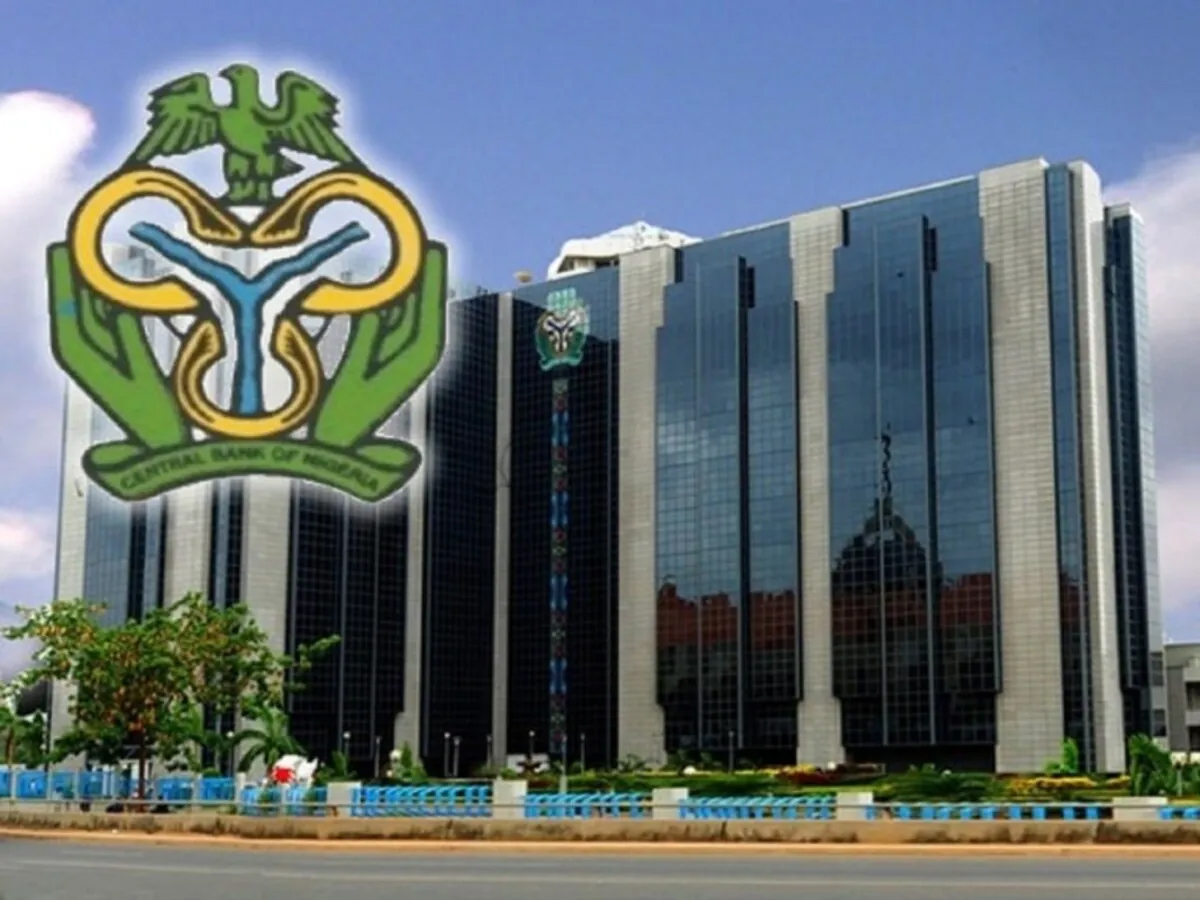
…Growth 4.49%, Inflation 12.94%, Reserves $51bn, debt-to-GDP 34.6%
By Franklin Adole
Nigeria’s economy is projected to grow faster in 2026, with inflation easing significantly and external buffers strengthening, according to the Central Bank of Nigeria’s (CBN) Macroeconomic Outlook for Nigeria, 2026.
The apex bank projects real GDP growth of 4.49 per cent, a moderation in headline inflation to around 12.4–12.9 per cent, an increase in external reserves to about $51 billion, and a public debt-to-GDP ratio of approximately 34.6 per cent by the end of 2026.
These projections suggest an economy moving away from crisis management toward relative stability. However, for most Nigerians, the figures point to gradual relief rather than a return to prosperity.
Economic Growth: Stability Improves, Living Standards Lag
A growth rate of 4.49 per cent represents an improvement over estimated growth of 3.89 per cent in 2025 and 3.38 per cent in 2024, reflecting stronger performance in both oil and non-oil sectors.
The CBN attributes the outlook to structural reforms, improved security in oil-producing areas, investments in domestic refining, and a gradually easing monetary policy stance. These factors are expected to support private-sector activity and investor confidence.
In practical terms, however, this level of growth is not high enough to significantly reduce unemployment or poverty in a country with rapid population growth. While the economy is expanding, per-capita income gains are likely to remain modest. For ordinary Nigerians, this means more economic stability, but limited improvement in job opportunities and wages.
Inflation: Cost-of-Living Pressures Ease, But Prices Stay High
Inflation remains the most critical issue for households. Nigeria’s headline inflation declined steadily in 2025, falling to 14.45 per cent in November, reflecting tighter monetary policy, exchange-rate stability, and slowing food price increases.
The CBN expects inflation to moderate further in 2026 to an average of about 12.4–12.9 per cent, a sharp improvement from the 21.26 per cent average recorded in 2025.
For households, this moderation means prices will continue to rise, but more slowly. Food, transport, rent, and energy costs are unlikely to fall outright, but the pace of increase may ease. While this could reduce pressure on household budgets, the impact will depend on whether incomes and employment improve alongside lower inflation.
In real terms, Nigerians may feel less pain at the market and fuel stations, but not an immediate return to pre-crisis affordability.
External Reserves: Stronger Protection for the Naira
The CBN projects external reserves to rise to $51.04 billion in 2026, up from an estimated $45.01 billion in 2025, supported by higher oil output, stronger exports, steady remittance inflows, and reduced fuel imports due to local refining.
Higher reserves strengthen the country’s ability to manage foreign exchange pressures, support the naira, and meet external obligations. For businesses and consumers, this reduces the risk of sudden currency depreciation, which typically leads to sharp increases in the prices of imported goods, fuel, and medicines.
While higher reserves do not automatically lower prices, they reduce the likelihood of currency-driven inflation shocks that have worsened living costs in recent years.
Public Debt: Manageable Levels, Limited Fiscal Room
Public debt is projected to rise slightly to 34.6 per cent of GDP by the end of 2026. By international standards, this remains a moderate level.
However, Nigeria’s key challenge lies in debt servicing, which consumes a large portion of government revenue. This limits spending on infrastructure, healthcare, education, and social protection.
For citizens, this means that even with a manageable debt ratio, public services and capital investment may remain constrained, unless revenue collection improves and borrowing is more efficiently deployed.
Fiscal Outlook: Better Revenue, Persistent Deficits
The CBN expects improved fiscal performance in 2026, driven by higher non-oil revenue under the Nigeria Tax Act, 2025.
Federal government retained revenue and expenditure are projected at ₦35.51 trillion and ₦47.64 trillion, respectively, resulting in a fiscal deficit of ₦12.14 trillion, equivalent to 3.01 per cent of GDP.
While the deficit remains within manageable limits, continued reliance on borrowing underscores the need for stronger revenue mobilisation and disciplined spending to avoid rising debt-service pressures.
What the Numbers Mean for Ordinary Nigerians
Taken together, the CBN’s projections suggest:
•Slower inflation, offering some relief from relentless price increases.
•Modest economic growth, supporting stability but not rapid job creation.
•Stronger external buffers, reducing the risk of currency shocks.
•Manageable debt, but with limited room for expanded public spending.
For most Nigerians, 2026 is likely to be a year of reduced economic stress rather than rising prosperity — fewer shocks, more predictability, and slower erosion of purchasing power, but not a dramatic improvement in living standards.
Risks That Could Upset the Outlook
The CBN warned that the outlook could be undermined by higher-than-expected fiscal spending, renewed global financial volatility, adverse weather affecting food production, and disruptions in crude oil output.
It noted that a resurgence in inflation could force renewed monetary tightening, slowing growth, while rising non-performing loans and banking sector risks could also weigh on the economy.
The apex bank said it would continue to balance price stability with growth, while pursuing policies to attract foreign investment, strengthen financial stability, and consolidate gains in the foreign exchange market.
Discover more from Keeping Them Honest
Subscribe to get the latest posts sent to your email.