

…New U.S. Proclamation Targets Nigeria, Others Over Terror, Visa Fraud and Overstays
By Franklin Adole
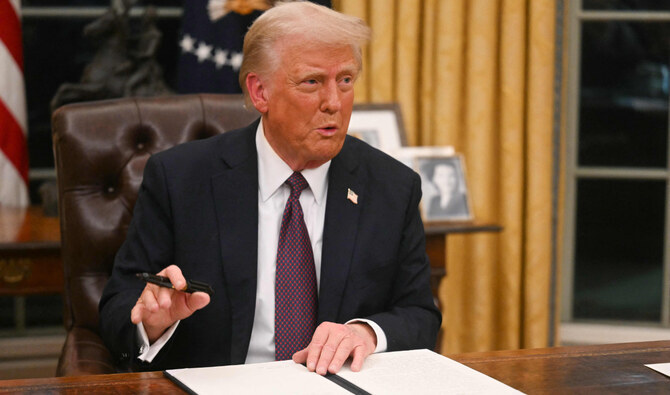
The United States has imposed fresh travel restrictions on Nigeria and 14 other countries under a sweeping new Proclamation signed on Monday by President Donald J. Trump, citing terrorism, weak vetting systems, document fraud, and high visa overstay rates as threats to American national security.
Nigeria, Africa’s most populous nation, was listed among countries facing partial entry restrictions, affecting immigrant visas and non-immigrant categories including business, tourism, student, and exchange visas. U.S. authorities said the presence of radical Islamist groups such as Boko Haram and the Islamic State in parts of Nigeria has created serious screening and vetting challenges. According to U.S. data, Nigeria recorded a 5.56 per cent B1/B2 visa overstay rate and 11.9 per cent for student and exchange visas, figures Washington says underscore systemic enforcement gaps.
The new measures also place West Africa firmly at the centre of the latest U.S. security clampdown. Burkina Faso, Mali, and Niger were hit with full entry suspensions, with U.S. officials pointing to widespread terrorist activity, armed conflict, and refusal by some governments to accept back-deported nationals.
Burkina Faso was singled out for persistent terrorist attacks and a 22.95 per cent overstay rate among student and exchange visa holders. Mali was cited for ongoing armed conflict and the free operation of extremist groups, while Niger was flagged for kidnapping threats and high visa overstays.
Sierra Leone, previously under partial restrictions, now faces full suspension, following visa overstay rates of over 35 per cent for students and repeated failure to repatriate deportees. The Gambia, Senegal, Benin, and Côte d’Ivoire were placed under partial restrictions due to high overstay rates and, in some cases, weak civil documentation systems.
Beyond West Africa, several African countries were affected. Angola, Gabon, Malawi, Mauritania, Tanzania, Zambia, and Zimbabwe were all placed under partial restrictions. U.S. officials cited unreliable civil records, limited government control in some regions, and weak information-sharing mechanisms.
South Sudan faces a full suspension, with Washington pointing to chronic instability, weak institutions, and a 26.09 per cent student visa overstay rate. Authorities also said the country has historically failed to accept deported nationals.
In the Middle East, Syria was added to the full suspension list, with the U.S. government saying the war-torn country lacks a reliable central authority capable of issuing secure passports or civil documents. Nationals travelling on Palestinian Authority-issued documents were also barred, due to terrorist activity in Gaza and the West Bank and severely compromised vetting capacity.
Outside Africa and the Middle East, Laos was placed under full suspension after recording visa overstay rates as high as 34.77 per cent, while Antigua and Barbuda, Dominica, and Tonga were partially restricted, with Washington raising concerns over citizenship-by-investment schemes and identity concealment.
The White House said the restrictions are country-specific and designed to compel cooperation, improve information-sharing, and protect U.S. borders. President Trump argued that the U.S. lacks sufficient data on many foreign nationals to properly assess security risks, while some governments actively frustrate deportations and enforcement efforts.
The Proclamation maintains exemptions for lawful permanent residents, existing visa holders, diplomats, athletes, and cases deemed to serve U.S. national interests, while narrowing family-based visa categories considered vulnerable to fraud.
The administration also lifted non-immigrant visa restrictions on Turkmenistan, citing improved cooperation, though immigrant visas remain suspended.
President Trump said the action fulfils his promise to “Make America Safe Again,” noting that similar measures imposed during his first term were upheld by the U.S. Supreme Court as a legitimate exercise of presidential authority.
For Nigeria and much of Africa, the move signals renewed diplomatic and mobility headwinds, one that deepens the debate over security, migration, and global inequality in an increasingly restrictive world order.
Discover more from Keeping Them Honest
Subscribe to get the latest posts sent to your email.