

…Entrepreneurs warn of mass shutdowns as tax reforms loom
By Franklin Adole
-With Agency Reports
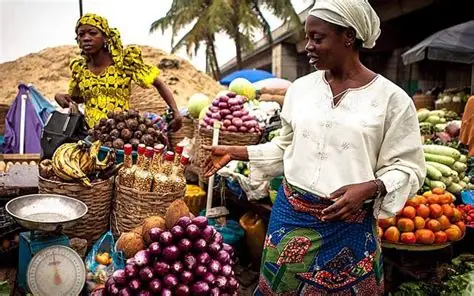
Small businesses across Nigeria are collapsing under relentless economic pressures, with many owners warning that the country’s fragile middle class is being pushed to the brink of extinction. From fashion designers and dry cleaners to food vendors, salon operators, and market traders, entrepreneurs say they are being crushed by fuel hikes, soaring electricity bills, poor infrastructure, and looming tax reforms.
In Abuja, fashion designer Grace Okon said she spends more on powering her sewing machines than on actual production. “I spend more on fuel and electricity than on buying fabric. If I pass the cost to customers, they walk away. If I don’t, I run at a loss. It’s a dead end,” she said. In Apo, dry cleaner Esther Cletus painted a similar picture. “Electricity bills swallow my earnings. I’m just working to pay for power,” she lamented. Garki-based restaurant operator Musa Abdul said food prices fluctuate so wildly that he adjusts his menu almost weekly. “Customers complain about price increases, but we cannot sell at a loss. With the new tax reforms planned for 2026, we may simply shut down,” he warned. In Nyanya, salon owner Rashida Sule said the harsh environment is worsening. “We already pay multiple levies to local officials. If the government enforces new taxes, small businesses like mine will die. Families that depend on us will starve,” she said.
Infrastructure failures compound the crisis. Trader Nembam Atule explained that while farm produce is often cheap at source, bad roads and high transportation costs push up prices in urban markets. “The system is killing us. Without roads, without power, without support, we can’t survive,” she said.
Their plight is not unique to Abuja. Across the country, reports show that millions of small businesses are shutting down. A World Bank review indicated that about 10 million more Nigerians fell into poverty in 2023 as inflation and weak earnings took their toll. Another survey found that 129 million Nigerians, or more than half the population, now live below the national poverty line, up from 40.1 per cent in 2018.
In Lagos, Ogun, and Ondo states, SMEs cite raw material scarcity, foreign exchange volatility, and crushing costs as reasons for closures. Estimates suggest that up to eight million small businesses have shut their doors in the past year alone, unable to cope with rising inflation and erratic currency values.
Analysts say that since small businesses are the largest employers in Nigeria, their collapse means more job losses, shrinking household incomes, and worsening poverty. The decline of SMEs threatens to erode social stability and further weaken local economies.
Financial analyst David Alabi warned that excessive costs and additional taxes would stifle growth, worsen unemployment, and fuel unrest, while an Economist, Jessica Onwa, cautioned that while taxation is vital for revenue generation, it must not come at the expense of survival. “Government should provide incentives, reduce energy costs, and fix infrastructure. Without that, we’re heading toward mass business closures,” she said.
Observers note that with poverty deepening, consumer demand weakening, and operators closing shop in growing numbers, there are growing concerns that without immediate intervention, Nigeria may witness a wave of business failures that will deepen poverty, shrink household incomes, and cripple the national economy.
Discover more from Keeping Them Honest
Subscribe to get the latest posts sent to your email.