

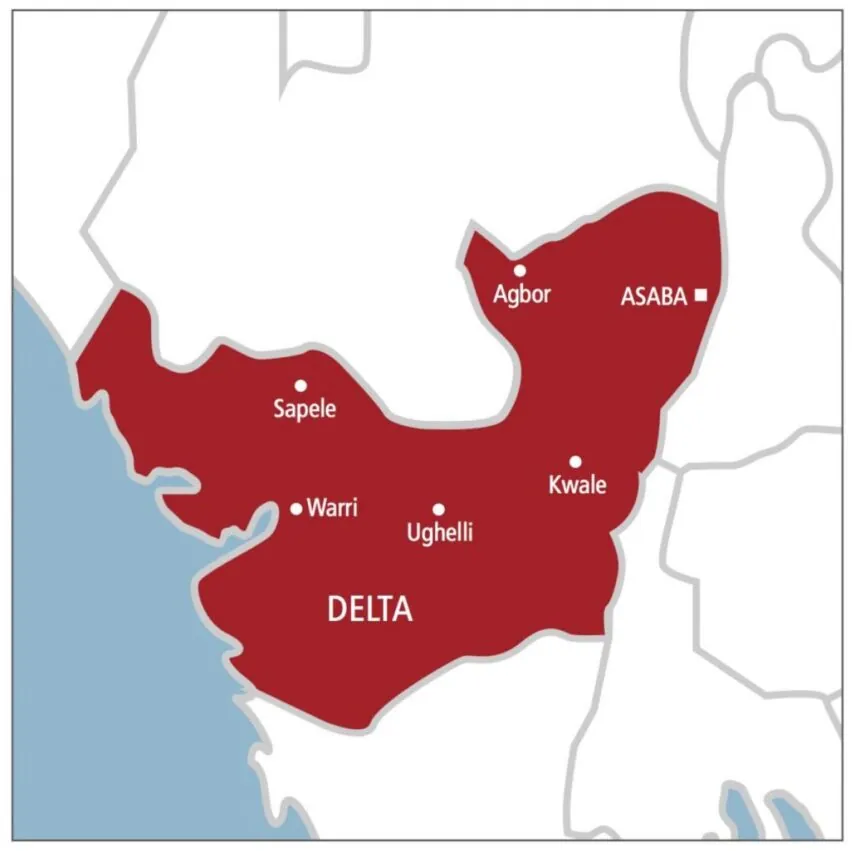
Delta Government yesterday said it will adopt a decentralised mini-grid model electricity generations, distribution, and regulation to transform its electricity sector.
The State Commissioner for Economic Planning, Mr Sonny Ekedayen, disclosed this during a post-Executive Council meeting press briefing in Asaba.
Ekedayen described the decision as a bold step toward transforming its electricity sector and the establishment of new regulatory bodies to drive a sustainable power market.
He said the initiative aligned with Gov. Sheriff Oborevwori’s M.O.R.E Agenda, which prioritises infrastructure and improved service delivery across the state.
He recalled that the State House of Assembly had earlier domesticated the Federal Government’s 2023 Electricity Act, which provided the legislative foundation for the state to chart its own course in electricity generation, distribution, and regulation.
According to him, with the passage of that law, we now have a clear pathway toward providing reliable and steady electricity supply to the people of Delta at competitive prices.
“This latest council approval marks another major milestone in our journey.
“The state government has adopted a mini-grid model that will allow multiple independent operators to provide end-to-end electricity services in various locations across the state.”
The commissioner explained that the approach differed significantly from the conventional centralised grid, which often left entire regions in darkness when failure is experienced at any point.
“With the mini-grid approach, if an outage occurs in one part of the state, it will not affect other areas.
“Each operator is responsible for generation, distribution, and supply within their designated zones, which enhances resilience and reliability,” he said.
He noted that the model also allowed service providers to propose energy solutions based on the most viable energy mix for their area.
According to him, while conventional gas-powered sources remain an option, operators can also explore renewable energy alternatives such as solar and hydro power.
Ekedayen, added that the entire electricity reform would be privately funded, with the state government providing only the regulatory framework and the enabling environment.
“This is a private sector-driven initiative. Our role is to set the rules, ensure fairness, and create the atmosphere for investment and innovation to thrive,” he explained.
He added that the council had approved the establishment of the Delta State Electricity Commission to support the framework and serve as the central regulatory authority.
Discover more from Keeping Them Honest
Subscribe to get the latest posts sent to your email.