

- ‘We Won’t Be a Dumping Ground,’ Says Foreign Minister Tuggar
By Peter Salami
The Federal Government says it will firmly reject mounting pressure from the United States on African countries to accept deported Venezuelan nationals, many of them prison inmates, as part of Washington’s new immigration crackdown. Nigeria’s Minister of Foreign Affairs, Yusuf Tuggar, made this declaration on Thursday during an interview on Channels Television’s Politics Today.
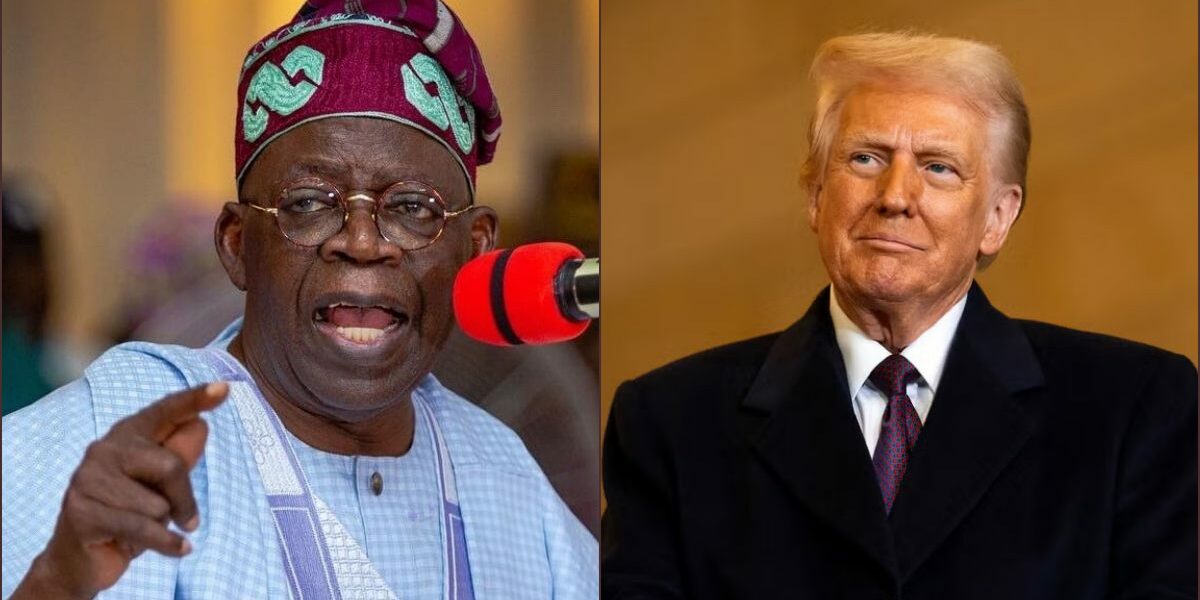
Tuggar’s comments come amid a sharp escalation in U.S. diplomatic pressure on Nigeria, including increased trade tariffs and new visa restrictions, in apparent retaliation for Nigeria’s participation in the recent BRICS+ Summit in Brazil. U.S. President Donald Trump, speaking at the close of the summit on July 7, announced a 10 percent tariff hike on exports from so-called “anti-American” BRICS nations.
Despite these developments, Tuggar maintained that Nigeria would not allow itself to be coerced into accepting foreign deportees, especially those with criminal backgrounds. “We have enough problems of our own,” he said. “We cannot accept Venezuelan deportees into Nigeria, especially when some of them are coming straight from prison. Nigeria is not a dumping ground. We already have 230 million people to care for.”
The controversial deportation request is reportedly part of a broader effort by the Trump administration to offload thousands of undocumented Venezuelan nationals detained in the U.S., many of whom lack official ties to any other country willing to receive them. According to diplomatic sources, African nations are being discreetly approached to absorb some of these deportees under various bilateral aid and visa negotiation frameworks.
Tuggar, however, dismissed any link between the BRICS+ summit and the new wave of U.S. pressure. “The issue of tariffs may not necessarily be about BRICS,” he said. “But it is clear the U.S. is increasing pressure on African countries to take in Venezuelans, and that is not something we are willing to entertain.”
The U.S. has also announced a revision of its visa reciprocity policy for Nigeria, significantly cutting down the validity period of non-immigrant visas for Nigerians. Categories such as B1/B2 (business/tourism), F (student), and J (exchange visitor) visas will now be limited to single-entry, three-month validity—down from multiple entries over two to five years.
Tuggar confirmed that discussions with the U.S. on the visa issue have already begun. “We are talking to the U.S. on this matter, and we hope that a mutual understanding can be reached,” he said.
The visa rollback follows a similar move by the United Arab Emirates, which recently imposed sweeping travel restrictions on Nigerians—something Tuggar described as “regrettable” and part of ongoing diplomatic friction.
Nigeria’s presence at the 2025 BRICS+ Summit in Rio de Janeiro marked a significant shift in its foreign policy orientation. President Bola Tinubu attended the two-day gathering alongside leaders of the 11-member economic and geopolitical bloc, signaling a potential pivot away from traditional Western alliances.
Nigeria officially joined BRICS+ in January 2025 as a “partner country,” following the group’s expansion to include Egypt, Ethiopia, Indonesia, Iran, and the UAE. Originally founded in 2006 by Brazil, Russia, India, China, and South Africa, BRICS has grown into a counterweight to U.S.-led global institutions like the G7 and IMF.
Today, BRICS+ nations account for roughly 37 percent of global GDP, 40 percent of world economic output, and nearly half the planet’s population. The group is actively promoting alternative financial and trade mechanisms, including efforts to de-dollarize international commerce.
As Nigeria deepens its engagement with BRICS+, it faces increasing friction with Western powers wary of the bloc’s growing global influence. However, Tuggar was clear that Nigeria’s position remains non-aligned and focused on its national interests. “We are not choosing sides. We are pursuing partnerships that will advance the well-being of our people,” he said.
Discover more from Keeping Them Honest
Subscribe to get the latest posts sent to your email.