

…Uganda traveller tests positive in Abuja, isolated as 44 contacts come under surveillance
By Yinka Giwa
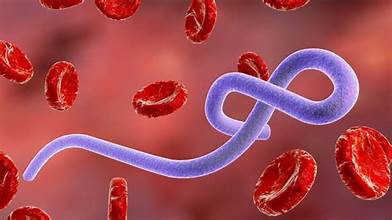
The Federal Government has activated an emergency public health response after Nigeria confirmed an imported case of the deadly Ebola virus disease in Abuja.
Coordinating Minister of Health and Social Welfare, Prof. Muhammad Ali Pate, announced the development on Tuesday following laboratory confirmation on October 20 that a woman who recently arrived in Nigeria from Uganda had contracted the Bundibugyo ebolavirus.
The patient has been isolated and is receiving medical care, while health authorities have begun an extensive contact-tracing operation aimed at preventing further transmission.
Pate described the infection as “a contained case” and assured Nigerians that the Federal Government, the Nigeria Centre for Disease Control and Prevention (NCDC), FCT health authorities and other partners had activated measures to prevent the virus from spreading.
The woman had been admitted to a private hospital in the Federal Capital Territory and received treatment for several days before Ebola was confirmed.
Authorities have so far identified 44 close contacts, with public health teams tracking and monitoring other people who may have been exposed to the patient.
Those being investigated include healthcare workers, patients, caregivers and travel contacts, raising the possibility that passengers who travelled with the woman could be contacted by health authorities.
Surveillance has also been intensified nationwide, while the private hospital where the patient was initially treated is receiving immediate support to strengthen infection prevention and control.
Pate consequently placed public and private healthcare facilities across the country on alert, directing health workers to maintain a high index of suspicion and immediately isolate and report suspected Ebola cases.
The minister explained that Ebola is transmitted through direct contact with the blood or body fluids of an infected person who is ill or has died from the disease, as well as through contaminated materials.
Nigerians were advised to maintain strict hand hygiene, avoid contact with the body fluids of suspected patients, and watch for symptoms including fever, severe weakness, headache, vomiting, and diarrhoea, particularly after possible exposure.
Anyone who may have been exposed has been urged to report immediately, even in the absence of symptoms.
Those who develop symptoms have also been advised to avoid close contact with other people and contact public health authorities for guidance before going to a healthcare facility.
Pate specifically appealed to airline passengers and others contacted as part of the tracing operation to cooperate fully with health officials and provide information required to establish possible chains of exposure.
He also warned against panic, rumours, misinformation, and stigmatisation, urging Nigerians to rely on information issued by recognised public health authorities.
Nigeria successfully contained an imported Ebola outbreak in 2014, and Pate said the country would draw on that experience and its existing disease surveillance infrastructure to confront the latest threat.
The minister, however, stressed that containing the virus would depend heavily on early detection, rapid reporting, and public cooperation.
The Presidential Taskforce on Ebola Virus Disease and the NCDC will continue to issue updates as the response progresses.
The NCDC’s toll-free line, 6232, is available round the clock for information and reporting of suspected cases.
Discover more from Keeping Them Honest
Subscribe to get the latest posts sent to your email.