

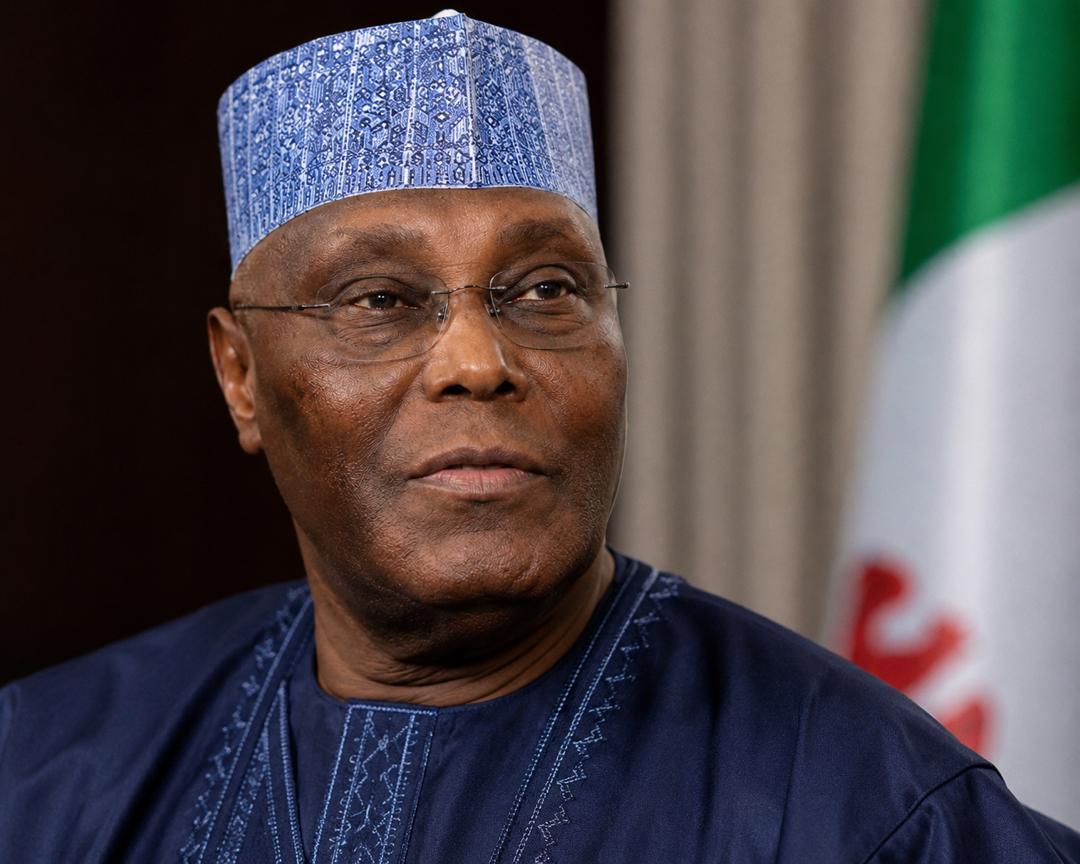
• APC-PCC challenges ex-VP to clarify funding plan, how he’ll navigate strict provisions of the Petroleum Industry Act
By Emmanuel Olugua
The President Bola Ahmed Tinubu Presidential Campaign Council has launched a blistering attack on former Vice President Atiku Abubakar’s proposal to subsidise locally refined petrol, saying the scheme could cost Nigeria between ₦17 trillion and ₦21 trillion annually and potentially reopen the door to the fiscal losses, smuggling and distortions associated with the old subsidy regime.
The APC-PCC also challenged Atiku, presidential candidate of the African Democratic Congress, to explain the legal basis for the proposal, how it would be financed and, crucially, how government support to refineries would translate into cheaper petrol at filling stations.
In a statement signed by its lead spokesman, Dele Alake, the campaign council said Atiku’s renewed call for a “production subsidy” raised fundamental legal, fiscal and operational questions that Nigerians deserved answers to.
Atiku had at a press conference in Abuja on Friday urged President Tinubu to intervene to reduce petrol and diesel prices, reiterating his proposal for government support to domestic refiners as a means of bringing down pump prices.
But the Tinubu campaign argued that the proposal could run into difficulties under the Petroleum Industry Act 2021.
It cited Section 205(1) of the Act, which provides for petroleum product prices to be determined under unrestricted free-market conditions.
The Nigerian Midstream and Downstream Petroleum Regulatory Authority has separately stated that it does not fix pump prices or issue administrative price templates under the current framework, except under statutory circumstances involving a formally declared market failure. The regulator said no such market failure had been declared.
Against that background, the APC-PCC challenged Atiku to explain whether refineries benefiting from his proposed subsidy would be compelled to sell petrol at government-prescribed prices.
If they would, the council demanded to know the legal mechanism for imposing such prices under the PIA. If they would not, it questioned what would prevent refiners from receiving government support while continuing to sell petrol at prevailing market prices.
The council also put the potential cost of Atiku’s proposal at between ₦17 trillion and ₦21 trillion annually, depending on the size of any crude discount, volumes covered, and whether the intervention applied to the entire barrel supplied to refineries or only petrol ultimately sold domestically.
Alake demanded that Atiku publish his proposed subsidy rate, annual expenditure ceiling, volumes to be covered, funding source, and mechanism for guaranteeing lower pump prices.
The former Vice President should also explain safeguards against smuggling, diversion, and fraudulent claims, the council said.
The Tinubu campaign further accused Atiku of attempting to return Nigeria to a policy he once opposed.
It recalled that in November 2022, Atiku described the petrol subsidy system as fraudulent and pledged to complete its removal, having served as Vice President when the Obasanjo administration began deregulating parts of the downstream petroleum sector.
According to the APC-PCC, Atiku must now explain why he is advocating a subsidy in another form and how his proposal would avoid the abuses and fiscal pressures associated with the previous system.
The council contrasted Atiku’s proposal with the Tinubu administration’s strategy of maintaining downstream deregulation while expanding compressed natural gas and electric mass transportation to reduce commuting costs.
It said more than 120,000 vehicles had been converted to CNG under the government programme, while commuters on CNG and electric-bus routes in seven states and the Federal Capital Territory were recording fare reductions ranging from 31 to 83 per cent.
The APC-PCC acknowledged that the latest surge in petrol prices was imposing additional hardship on Nigerian families, but linked the increases partly to the Middle East crisis and crude oil prices rising above $100 per barrel.
It said a de-escalation of the crisis could bring international crude prices down and consequently ease petrol and diesel prices.
The campaign council maintained that the government would not return to the previous petrol subsidy model, warning that such a course could revive mounting debt, fuel queues, fraudulent subsidy payments and cross-border smuggling.
“Atiku should provide Nigerians with a detailed policy document and an independent legal and fiscal analysis of his proposal,” Alake said.
Until then, the council said, Atiku’s proposal remained an “uncosted promise” without a clearly established legal or operational framework.
The APC-PCC told the former Vice President to familiarise himself with the Petroleum Industry Act, accusing him of being “out of touch with reality and the oil sector’s current dynamics.”
Discover more from Keeping Them Honest
Subscribe to get the latest posts sent to your email.