

By Jeremy Fregene
Governors of the six South-South states have thrown their full weight behind President Bola Tinubu’s re-election bid in 2027, while unveiling an ambitious regional economic integration drive built around rail connectivity, revitalised seaports, industrialisation, energy development and a common negotiating position with the Federal Government.
The South-South Governors’ Forum (SSGF) said the region possesses the resources, strategic location and economic potential to emerge as one of Nigeria’s most formidable economic blocs, but stressed that this would require the states to work collectively rather than pursue development in isolation.
The governors consequently resolved to accelerate regional rail development, push for the rehabilitation of the Calabar, Port Harcourt and Warri seaports, leverage opportunities arising from the Lagos-Calabar Coastal Highway and deepen industrial cooperation across the region.
The decisions were contained in a communiqué issued at the end of the forum’s second meeting in Calabar on Monday, chaired by Bayelsa State Governor, Senator Douye Diri.
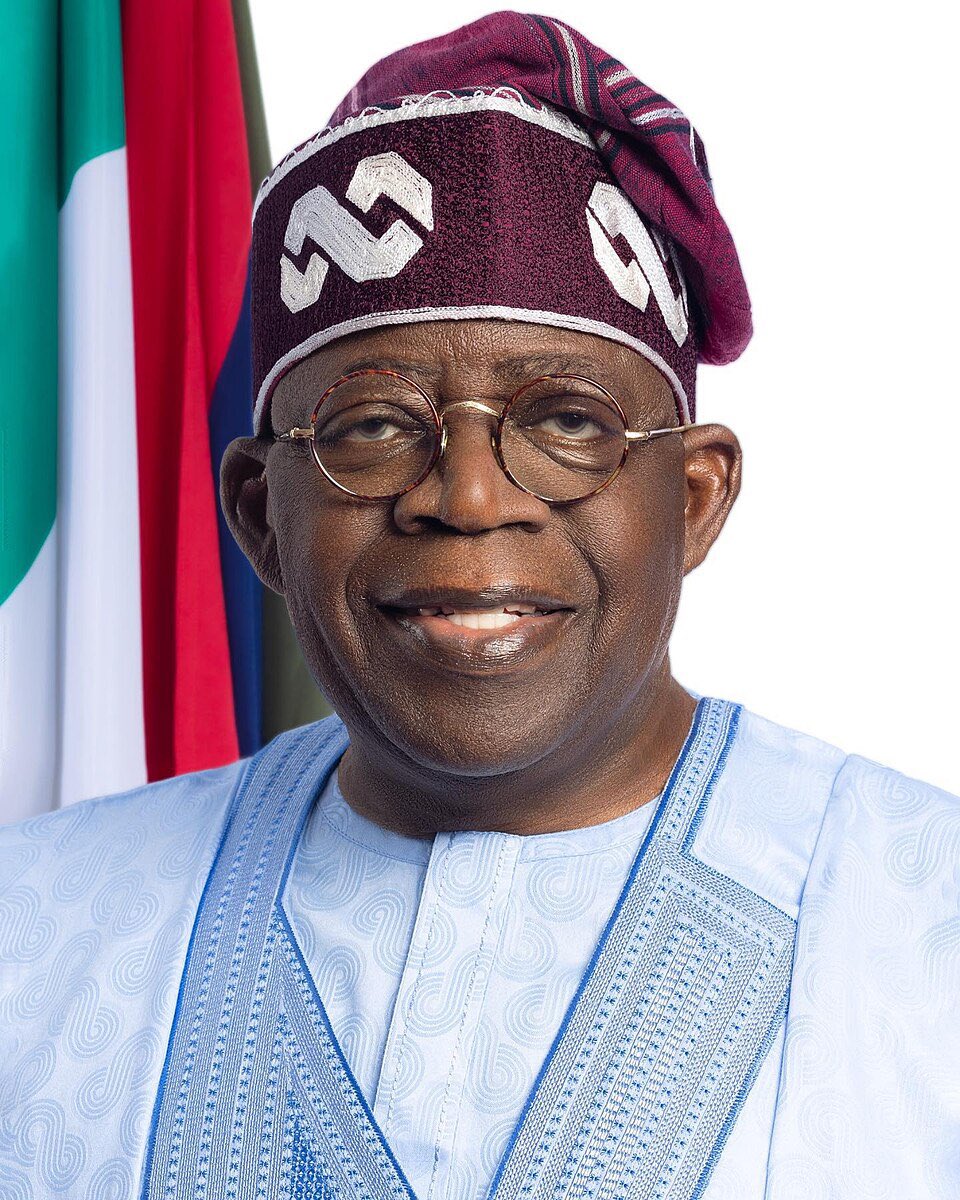
Beyond the economic agenda, the governors pledged “100 per cent” support for President Tinubu’s re-election in 2027 and resolved to engage him directly on the South-South’s infrastructure, environmental and developmental priorities.
They also agreed to institutionalise their collaboration by holding quarterly meetings, with Uyo, Akwa Ibom State, scheduled to host the next session from November 6 to 8, 2026.
Cross River State Governor and Vice Chairman of the forum, Senator Bassey Otu, who hosted the meeting, said greater political and economic cooperation among the six states was critical to unlocking the region’s enormous potential.
“We must come together as a people; we must cooperate, and we must ensure that our voice is heard and respected,” Otu said.
According to him, the South-South has “everything it takes” to become one of Nigeria’s most formidable economic blocs if its states pool their strengths and pursue common priorities.
Otu called for a unified regional position on fiscal equity, including Value Added Tax, oil and gas revenues, and the 13 per cent derivation principle.
He also sought the backing of his colleagues for Cross River State’s campaign to regain its oil-producing status, arguing that the issue should form part of a broader regional approach to resource and fiscal questions.
On infrastructure, the Cross River governor proposed the development of an integrated economic corridor linking the proposed Bakassi Deep Seaport to the East-West Road and ports in Bayelsa and Delta states.
He said such connectivity could help transform the South-South into a major production and logistics hub, while encouraging the states to move beyond the extraction and export of raw materials towards value addition.
Otu specifically identified cassava processing and ethanol production among areas where greater regional cooperation could create industries, jobs, and new revenue streams.
Diri, in his opening remarks, challenged the forum to ensure that its meetings produced concrete outcomes rather than another succession of resolutions without implementation.
“We cannot afford to remain a region of meetings and communiqués. The meeting must produce movement,” the Bayelsa governor said, insisting that decisions reached by the forum should translate into “measurable progress.”
Diri said the region should strategically position itself as “Nigeria’s gas-industrial hub, West Africa’s maritime gateway and the country’s leading blue-economy zone.”
The governors also placed environmental remediation high on their agenda, expressing concern that communities responsible for much of Nigeria’s hydrocarbon wealth continued to suffer severe environmental degradation.
“We cannot continue to produce the wealth while communities remain surrounded by environmental devastation,” Diri said, calling for expanded remediation efforts across the Niger Delta.
The forum also received a presentation from the Director-General of the BRACED Commission, Ambassador Joe Keshi, on proposals for regional rail development.
PANDEF National Chairman, Ambassador Godknows Igali, also called for the establishment of a regional investment fund and greater emphasis on youth-led economic transformation.
Security featured prominently in the deliberations, with the governors agreeing to strengthen intelligence-sharing and coordinated security operations across the six states.
The initiative is expected to improve the protection of communities, oil and gas installations and emerging economic corridors while strengthening cross-border responses to security threats within the region.
The governors said the combination of improved transport links, functional seaports, industrial development, enhanced security and coordinated engagement with Abuja could provide the foundation for transforming the South-South from predominantly a resource-producing region into a more integrated production, maritime and industrial economy.
Alongside that economic programme, the forum made its political position ahead of the next presidential election clear, pledging its full support for Tinubu’s 2027 re-election bid while committing to pursue the collective economic and developmental interests of the South-South.
Discover more from Keeping Them Honest
Subscribe to get the latest posts sent to your email.