

…Decries Attacks on Muslims, Profiling of Fulanis
…Wants killing of Benue MACBAN leader, Female Muslim Scholar Probed
By Abu Adamu
Barely days after the General Overseer of the Redeemed Christian Church of God (RCCG), Pastor Enoch Adeboye, revealed that his repeated calls for restraint had prevented Nigeria from sliding into a religious war, another major religious body has issued a similarly sobering warning.
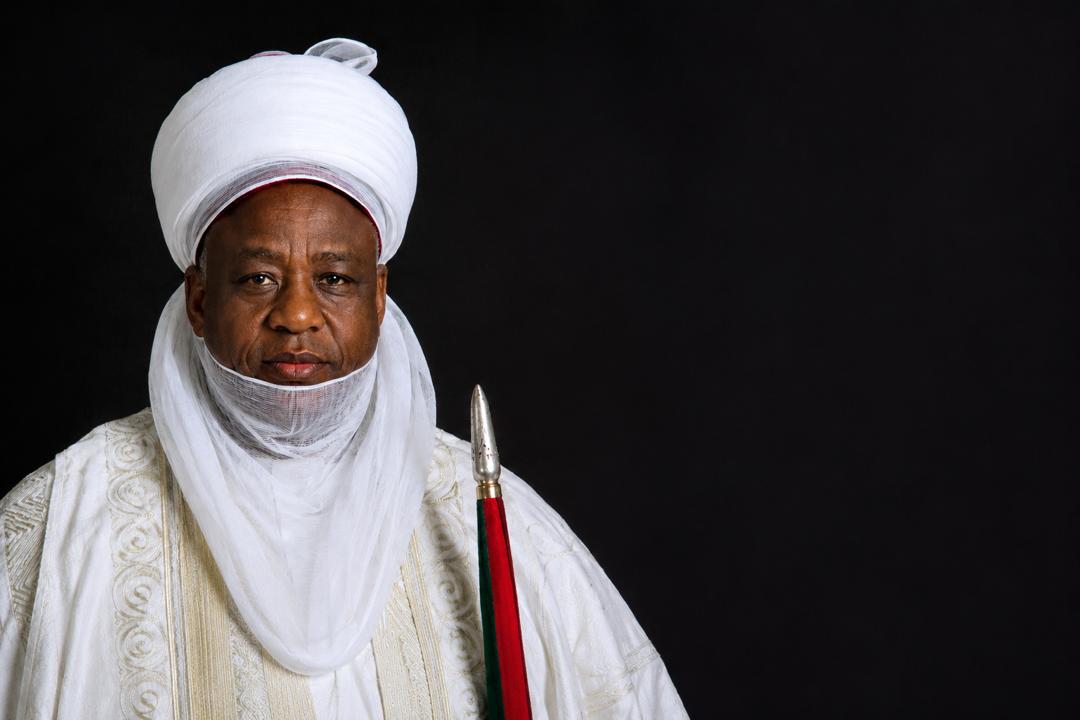
The Nigerian Supreme Council for Islamic Affairs (NSCIA), led by the Sultan of Sokoto, His Eminence Alhaji Muhammad Sa’ad Abubakar, on Monday cautioned that the continued restraint being exercised by Muslims across the country should not be mistaken for weakness, warning that the Federal Government and security agencies must act decisively against what it described as persistent attacks on Muslims, profiling of Fulanis, and rising religious intolerance before the Muslim community “runs out of patience.”
The council’s warning came against the backdrop of growing concern over the killing of the Benue State Chairman of the Miyetti Allah Cattle Breeders Association of Nigeria (MACBAN), Alhaji Ardo Risku Muhammad, and his associate, Mallam Yakubu Isah, shortly after attending a police-convened peace meeting in Ohimini Local Government Area of Benue State.
In a strongly worded statement issued by its Public Affairs Officer, Abbas Jimoh, on behalf of the Sultan, the NSCIA said Muslims had deliberately chosen restraint despite what it described as sustained provocation, discrimination, and negative profiling across the country.
“While the NSCIA continues to appeal to Muslims for continuous restraint, it is imperative that the government and security agencies should act decisively before the Muslims run out of patience in the light of persistent attacks and unbridled marginalisation,” the council declared.
The warning echoes comments made by Pastor Adeboye during the “Faith Heroes Award Gala” in Washington, D.C., where the revered cleric disclosed that many Christians had urged him to endorse retaliation over repeated killings of Christians, kidnappings, and attacks on churches. According to him, he refused because he did not want to be remembered as the religious leader who ignited a sectarian conflict.
“I told them, ‘If there is going to be a religious war in Nigeria, I will not be the one who will start it,’” Adeboye had said, explaining that his silence over years of violence was a deliberate act of restraint rather than indifference.
Against that backdrop, the NSCIA insisted that Muslims had also exercised enormous patience in the face of what it described as repeated assaults on their faith and identity.
According to the council, “restraint is not cowardice,” warning that every community has limits to what it can endure.
Central to the council’s concerns is the killing of the Benue MACBAN chairman, whom it described as a respected peace advocate. The body demanded a thorough investigation into the circumstances surrounding his death, particularly allegations that he was invited by the Divisional Police Officer in Ohimini for a peace meeting between farmers and herders before he was ambushed and murdered on his way home.
Reports indicate that Ardo Risku Muhammad attended the meeting after receiving a police invitation to discuss complaints over alleged destruction of farmlands by cattle. His son, Muhammad Idris, said the meeting ended peacefully, but his father and Yakubu Isah remained briefly behind before setting out on motorcycles. They were later ambushed near Okwudu in Otukpo Local Government Area and shot dead.
The family has questioned why a meeting considered sensitive was held without the presence of key stakeholders, including the local government chairman and traditional rulers, and why adequate security was not provided despite the obvious risks.
The NSCIA urged authorities to investigate not only the killers but also the circumstances surrounding the invitation to the meeting.
The council also demanded a full investigation into allegations that a Divisional Police Officer handed over a female Muslim scholar to an angry mob that eventually burnt her to death, insisting that every public official found culpable must face justice.
Beyond the killings, the council condemned what it described as increasing public attacks on Islam and Muslims, warning that inflammatory rhetoric by some public figures was deepening religious divisions.
It criticised comments allegedly made recently by a former President of the Christian Association of Nigeria (CAN), saying similar remarks by a prominent Muslim leader would almost certainly have attracted immediate police action.
The council equally rejected attempts to associate Fulani communities and Muslims with criminality, particularly allegations linking them to recent kidnappings in Oyo State. It noted that persons arrested in connection with some of the incidents did not fit the religious profile being projected and argued that one suspect arrested over a kidnap and murder case in Oriire Local Government Area was identified as a Christian pastor.
It further accused sections of the media of applying double standards in reporting security incidents involving religion, alleging that some media organisations were quick to highlight the religious identity of suspects when they were Muslims but downplayed such identities when suspects belonged to other faiths.
The NSCIA also raised concerns over what it described as the systematic exclusion of Muslims from public appointments, particularly in parts of southern Nigeria, while defending Muslim-Muslim political tickets as neither unprecedented nor unconstitutional.
Despite its grievances, the council reaffirmed its commitment to Nigeria’s unity and peaceful coexistence, urging Muslims to remain law-abiding while calling on the Federal Government, security agencies, and the media to discharge their responsibilities fairly.
It warned, however, that justice must not only be done but be seen to be done, stressing that failure to bring perpetrators of the Kaduna and Benue killings to justice would amount to “an invitation to anarchy.”