

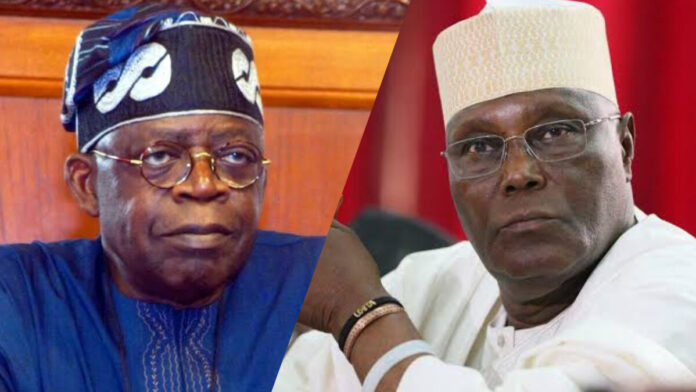
Former Vice President Atiku Abubakar has announced plans to visit the United States as concerns mount over what he described as the worsening state of security, governance, and the economy in Nigeria.
In a statement issued on Sunday by his media aide, Paul Ibe, Atiku said the planned trip would involve engagements with policy and institutional stakeholders in the US, although no specific date has been fixed for the trip.
According to the statement, the former vice president warned that Nigeria is facing what he termed a “full-blown internal crisis” that can no longer be ignored or explained away.
He pointed to escalating violence across several regions, including the North-West, North-East, and the Middle Belt, as well as the spread of kidnapping and other criminal activities nationwide, arguing that the situation reflects a dangerous erosion of the state’s core responsibility to protect lives and property.
Atiku said the pattern of insecurity has gone beyond isolated incidents, describing it instead as evidence of systemic failure, with communities under siege, livelihoods disrupted, and citizens left increasingly vulnerable.
He maintained that any government unable to guarantee basic security loses the moral justification for its mandate.
On the economy, the former vice president described current conditions as both severe and avoidable, citing rising inflation, a weakened currency, and declining purchasing power as factors pushing millions of Nigerians into hardship.
He also blamed policy inconsistency and the absence of clear strategic direction for worsening investor confidence and deepening economic uncertainty.
Atiku further expressed concern about the state of Nigeria’s democratic institutions, warning that declining public trust in governance, accountability, and the electoral process poses a serious risk to national stability.
He cautioned that any attempt to undermine transparency or manipulate future elections could have far-reaching consequences for the country’s unity and legitimacy.
Defending his decision to engage international stakeholders, Atiku dismissed suggestions that such outreach amounts to inviting foreign interference, arguing that Nigeria’s challenges have global implications and cannot be addressed in isolation.
He added that while Nigerians alone will determine their leadership, the international community has a legitimate interest in the stability and democratic health of a country as strategically significant as Nigeria.
Discover more from Keeping Them Honest
Subscribe to get the latest posts sent to your email.