

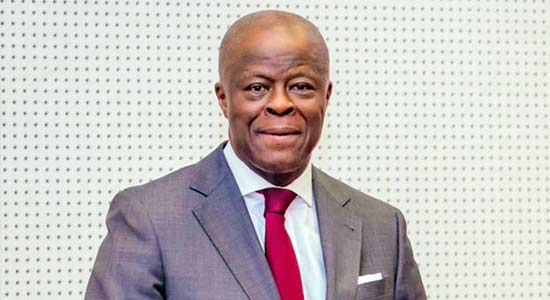
Economic experts have offered mixed assessments of the tenure of former Minister of Finance and Coordinating Minister of the Economy, Wale Edun, even as Nigeria’s external reserves stood at $48.65 billion, a level analysts say strengthens short-term economic resilience.
The experts, speaking in Abuja and Lagos, also outlined priority areas for the new Minister of Finance and Coordinating Minister of the Economy, Taiwo Oyedele, who assumed office on April 24 following a cabinet reshuffle.
They generally agreed that Edun’s tenure was marked by macroeconomic stabilisation and tighter fiscal discipline, but noted that improvements in stability did not significantly ease pressure on households.
Dr Gloria Phillips, a development economist, said stabilisation measures were visible, particularly in fiscal coordination, but inflation remained a major constraint.
“Stabilisation policies were evident, but transmission to household welfare was weak,” she said, adding that exchange rate stability and investor confidence should be immediate priorities for the new minister.
Mr Simon Audu, an economist, said reforms under Edun provided a foundation for long-term growth but stressed that policy consistency remains critical.
He added that the business environment improved modestly, while calling for stronger support for small and medium enterprises to drive job creation.
Miss Lydia Emerson, a public finance expert, said debt management frameworks improved during the period but urged further action to reduce debt servicing costs and expand non-oil revenue.
She also called for comprehensive tax reforms to widen the revenue base, simplify administration, and improve compliance.
Across the board, the experts said the incoming minister must prioritise inflation control, economic diversification, and stronger social protection measures to sustain recent gains.
In a related development, analysts commended the Federal Government for maintaining external reserves at $48.65 billion, describing it as a buffer against global economic shocks.
Dr Ayo Teriba, Chief Executive Officer of Economic Associates, said the reserve position reflects resilience despite global uncertainty and domestic pressures.
He noted that exchange rate stability and a relatively firm stock market indicate cautious investor confidence, but warned that vulnerable households still require targeted support amid high energy costs.
Dr Muda Yusuf, Chief Executive Officer of the Centre for the Promotion of Private Enterprise, said the reserves provide about ten months of import cover, strengthening Nigeria’s external position despite global headwinds.
He cautioned that geopolitical tensions and shifting investor sentiment could trigger capital outflows, placing pressure on reserves.
Yusuf also noted that external reserves are often deployed to meet debt obligations and statutory payments, underscoring the need for prudent fiscal management.
Data from the Central Bank of Nigeria shows reserves declined from $50.03 billion on March 11, 2026, to $48.65 billion by April 16, reflecting a $1.38 billion drop over five weeks.
Analysts say the combination of a policy transition at the finance ministry and relatively strong reserves places the economy in a stable but sensitive position, where inflation control, investor confidence, and policy continuity will shape the next phase of economic management.
Discover more from Keeping Them Honest
Subscribe to get the latest posts sent to your email.