

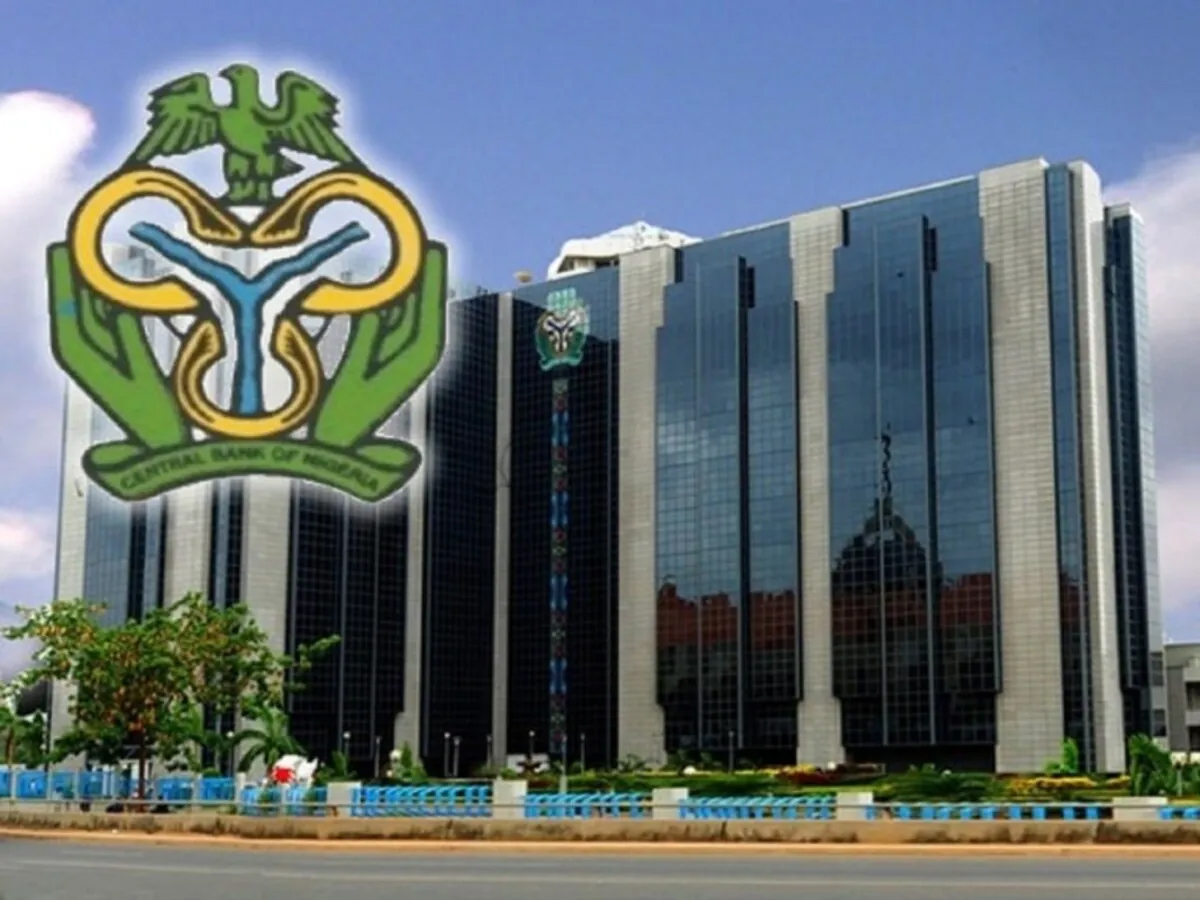
The Central Bank of Nigeria (CBN) in the first quarter of 2026 raised an estimated N4.86 trillion through the Nigerian Treasury Bills (NTB) as investors hedge against double-digit inflation.
This represents a 12.2 per cent decline from the N5.54 trillion raised in the first quarter of 2025.
Primary market data showed massive interest by investors, with subscriptions reaching N14.84 trillion, N9.75 trillion above the amount offered by the CBN.
The data showed that the CBN, which planned to raise N4.73 trillion in the period under review, eventually settled for N4.86 trillion.
The CBN uses NTB as a primary open market operations tool to regulate liquidity in the banking system. By issuing NTBs, the apex bank absorbs excess cash from banks and investors, tightening the money supply and controlling inflationary pressures.
Amid massive subscriptions, the spot rates on 91-Day NTB increased to 15.95 per cent as of the March 25, 2026, auction from 15.80 per cent in the first NTB auction in January 2026.
The stop rate on 182-Day moved from 18.6 per cent in January 2026 to 16.42 per cent as of March 25, 2026.
The CBN has been scaling back on elevated discount rates offered on the NTB due to strong demand and the fact that the benchmark interest rate has raced ahead of the country’s headline inflation, which has seen a decline in recent months.
By tightening its monetary policy through higher interest rates and large NTB auctions, the CBN aims to curb rising inflation and stabilise the foreign exchange rate, thereby fostering a more balanced economic environment.
This has reflected in the dwindling inflation rate, currently at 15.06 per cent as of February 2026, marking a decrease from previous months.
Investors’ diversified demand across the different maturities of NTB reflects strategic positioning for various investment horizons and signals a healthy trading environment in the Nigerian debt market.
Meanwhile, in the second quarter of 2026, CBN planned to auction N3.95 trillion in NTBs beginning from April 8, 2026.
The projected net issuance amounts to N750 billion after settling N3.2 trillion in maturing bills by the end of June. The programme highlights a strong preference for longer-dated instruments, reflecting prevailing investor demand and the apex bank’s liquidity management strategy.
The breakdown of the programme showed a strong bias toward longer-dated instruments, with N2.85 trillion—representing the bulk of the issuance—allocated to 364-day Treasury Bills. In comparison, the CBN plans to issue N700 billion in 91-day bills and N400 billion in 182-day bills, reflecting relatively lower emphasis on short- and medium-term tenors.
The issuances are expected to be conducted in six sessions over three months, with the first two sessions of N700 billion and N750 billion on April 8 and 22, respectively.
The calendar scheduled another two auctions of N700 billion and N650 billion on May 6 and 20, respectively.
The final auctions of the quarter are scheduled to hold on June 3 and 17, where the sums of N700 billion and N450 billion will be auctioned, respectively.
The skew toward longer maturities aligns with investors’ preference for locking in higher yields in a high-interest-rate environment.
During the same period, CBN scheduled for settlement a total of N3.2 trillion maturities spread across the three months, with June having clustered maturities all through the four weeks of the month. Maturing bills of N356.47 billion and N758.31 billion are expected for settlement on April 8 and 22, respectively. On May 6 and 20, maturing bills amounting to N556.02 billion and N634.5 billion, respectively, will be settled.
Analysts noted that the dominance of 364-day instruments allows the CBN to extend maturities, reduce refinancing frequency, and stabilise short-term rates while maintaining tight liquidity conditions.
Discover more from Keeping Them Honest
Subscribe to get the latest posts sent to your email.