

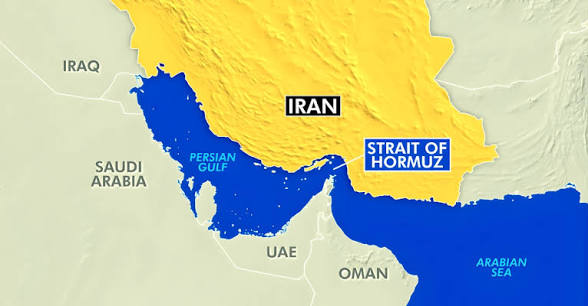
The United States is preparing for the possibility of limited ground operations in Iran, including targeted raids on strategic energy and coastal sites, as Washington deepens its military posture in the Middle East amid a widening conflict.
According to US officials cited in a report published on March 29, 2026, the Pentagon has developed contingency plans for operations that could last weeks, focusing on high-value targets such as Kharg Island, Iran’s main oil export terminal, and coastal areas near the Strait of Hormuz. The plans fall short of a full-scale invasion and would likely involve special operations forces and conventional infantry units conducting precision strikes.
The proposals, which remain under internal review in Washington, would expose US troops to significant risks, including Iranian drone attacks, missile strikes, ground resistance, and improvised explosive devices. It remains unclear whether Donald Trump will authorise any such operations.
Responding to the report, White House press secretary Karoline Leavitt said in a statement on March 29 that military planning does not equate to a final decision. “It’s the job of the Pentagon to make preparations in order to give the Commander in Chief maximum optionality. It does not mean the president has made a decision,” she said.
The developments come as the US expands its military footprint in the region. On March 27, about 3,500 additional personnel arrived in the Middle East aboard the amphibious assault ship USS Tripoli, according to US Central Command. The deployment includes elements of the 31st Marine Expeditionary Unit, supported by transport aircraft, strike fighters, and amphibious assets.
Officials familiar with internal discussions said the administration has, over the past month, explored options including the temporary seizure of Kharg Island and raids aimed at neutralising Iranian weapons systems capable of targeting commercial and military shipping lanes. Estimates suggest such operations could take “weeks, not months,” although some scenarios extend to a “couple of months.”
Iranian officials have responded with sharp warnings. Speaking on March 30 in Tehran, parliamentary speaker Mohammad Bagher Ghalibaf accused the United States of publicly signalling dialogue while secretly preparing for a ground assault. He said Iranian forces are ready to confront US troops directly, adding that “our missiles are in place” and warning of sustained retaliation.
Separately, Iran’s navy chief Shahram Irani said on March 30 that the US aircraft carrier USS Abraham Lincoln would be targeted if it enters operational range, citing a vow to avenge a recent naval loss.
The rhetoric follows earlier warnings from Ghalibaf on March 26 that “Iran’s enemies” could attempt to seize territory, a move he said would trigger retaliatory strikes on critical infrastructure in any supporting regional state.
Beyond the Gulf, the conflict risks widening further. Iranian-linked sources have indicated that Tehran could open a new front near the Bab al-Mandeb Strait, a vital maritime chokepoint between Yemen and Djibouti, potentially with support from allied Houthi forces.
Diplomatic efforts are ongoing. Pakistan is hosting talks beginning March 30 involving foreign ministers from Saudi Arabia, Turkiye, and Egypt in an attempt to mediate between Washington and Tehran.
Despite these efforts, the scale of military planning and increasingly direct threats from both sides point to a volatile standoff, with limited ground operations now a credible, if still uncertain, next phase in the conflict.
Discover more from Keeping Them Honest
Subscribe to get the latest posts sent to your email.