

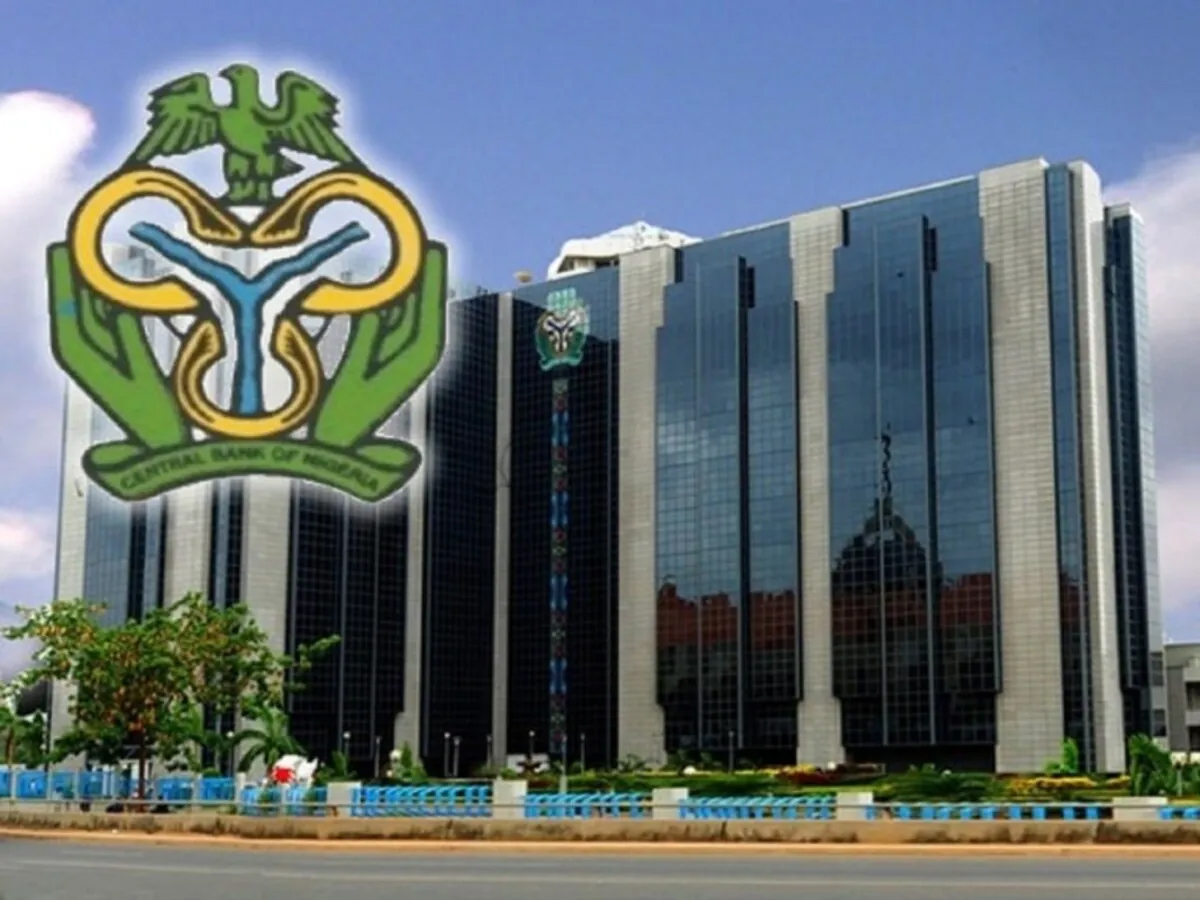
The Central Bank of Nigeria is facing a critical test of its regulatory authority after a Lagos court overturned its 2024 intervention in Union Bank of Nigeria Plc, even as it moves to tighten oversight of diaspora remittances and foreign exchange flows.
In a judgment delivered on Wednesday, Justice Chukwujekwu Aneke of the Federal High Court in Lagos nullified the CBN’s January 2024 dissolution of the board and management of Union Bank, ruling that the apex bank exceeded its statutory powers. The court set aside all actions taken following the intervention and ordered the reinstatement of the lender’s former board and management.
The judge also restrained the CBN, its appointed board and their agents from taking further steps tied to the disputed action, including any recapitalisation initiatives. The ruling marks a legal check on one of the regulator’s most assertive supervisory actions in recent years.
The case was brought by Union Bank’s core shareholders, Titan Trust Bank, Luxis International DMCC and Magna International DMCC, who sought judicial review of the intervention. The investors argued that the removal of the bank’s directors and subsequent restructuring were carried out without due process and outside the bounds of the law.
The dispute dates to January 2024, when the CBN dissolved the boards and management of Union Bank, Keystone Bank and Polaris Bank, citing breaches of the Banks and Other Financial Institutions Act 2020. The regulator pointed to corporate governance failures, regulatory non-compliance and activities deemed to threaten financial stability.
In a statement issued in January 2024, the CBN said the action was necessitated by infractions under Sections 12(c), (f), (g) and (h) of the Act, adding that the affected institutions had disregarded licensing conditions. It subsequently installed an interim management team at Union Bank to stabilise operations and implement corrective measures.
The shareholders challenged both the board dissolution and a proposed recapitalisation programme by the interim management, which they described as unlawful. On December 5, 2025, the court granted an ex parte order preserving the status quo pending determination of the substantive suit, leading to Wednesday’s final ruling.
Justice Aneke held that while the CBN has broad supervisory powers, those powers must be exercised in line with due process. By voiding the intervention, the court reasserted legal limits on regulatory authority in Nigeria’s banking sector and underscored the role of judicial oversight in governance disputes.
The ruling introduces uncertainty around the CBN’s enforcement approach, particularly in cases involving governance lapses at systemically important institutions. It may also shape how the regulator balances intervention with shareholder rights going forward.
Even as the court curbed its authority in bank governance, the central bank is expanding its operational control over the foreign exchange market.
In a circular dated March 24, 2026, the CBN directed all International Money Transfer Operators to open and maintain naira settlement accounts with authorised dealer banks. The directive, signed by Musa Nakorji, Director of the Trade and Exchange Department, was published on the bank’s website on Tuesday and takes effect from May 1, 2026.
Under the framework, all remittance inflows, disbursements to beneficiaries and related transactions must be routed through designated settlement accounts within the Nigerian banking system. These accounts can only be funded by remittance proceeds and foreign exchange conversions carried out by licensed IMTOs or their agents.
The CBN said the measure is aimed at enhancing transparency, traceability and effective monitoring of remittance flows, a key source of foreign exchange for Nigeria.
IMTOs are required to designate and report their settlement accounts to the CBN, with periodic updates. Authorised dealer banks are permitted to process foreign currency transfers from these accounts to other approved participants, including licensed Bureau De Change operators.
To improve price discovery, the CBN directed IMTOs to benchmark exchange rates against real-time data from the Bloomberg BMatch system. The regulator said this would reduce information gaps and encourage greater participation in the official foreign exchange market.
The rules form part of a broader push to channel diaspora remittances through formal banking channels, boost liquidity in the official market and strengthen oversight of cross-border inflows. Nigeria has long sought to increase remittance flows through official channels to support the naira and reduce reliance on volatile capital inflows.
Taken together, the court ruling and the FX directive highlight the dual pressures shaping Nigeria’s financial system. The judiciary has asserted limits on the scope of regulatory intervention in bank governance, while the central bank is tightening its grip on market operations, particularly in areas linked to foreign exchange supply.
The contrast underscores the complexity of the CBN’s mandate as it navigates financial stability risks, governance challenges and persistent pressure on the currency. While the Union Bank judgment may constrain how the regulator executes enforcement actions, the IMTO framework signals continued efforts to formalise and monitor critical inflow channels.
Market participants are likely to watch how the CBN responds to the ruling, including whether it seeks to appeal or adjusts its supervisory approach. The outcome could shape expectations around regulatory certainty and the balance between oversight and investor protections in Nigeria’s banking sector.
At the same time, the success of the new remittance framework will depend on compliance by IMTOs and cooperation from authorised dealer banks, as well as confidence in the official foreign exchange market. Together, the developments point to a period of recalibration, where legal constraints and policy tightening are unfolding in parallel.
Discover more from Keeping Them Honest
Subscribe to get the latest posts sent to your email.