

By Jeremy Fregene
Demand is rising across Nigeria for Lenacapavir, a newly introduced twice-yearly HIV prevention injection, even before its full nationwide rollout, with many Nigerians already trooping to health centres in search of the drug.
Across several states, ordinary Nigerians are expressing growing interest in the injectable alternative to daily HIV prevention pills, driven largely by word-of-mouth and increasing awareness.
At a primary health centre in Gwarimpa, Abuja, 28-year-old hairdresser, Blessing Okeke, said she first heard about the injection from a friend and decided to make inquiries immediately.
“They said you take it just twice a year and you are protected. For people like us who can forget drugs, this one is easier. I came to ask if they have started giving it,” she said.
Similarly, a commercial driver in Lagos, Musibau Aremu, said the convenience of the injection makes it attractive.
“Taking drugs every day is not easy. If this one can work for months, many people will prefer it. But we need to understand it well,” he added.
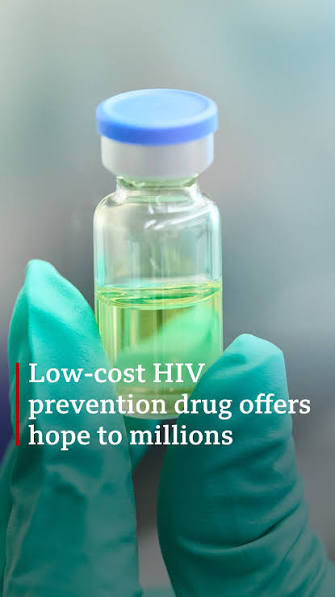
Lenacapavir, developed by Gilead Sciences and endorsed by the World Health Organisation in 2025, is designed as a long-acting preventive option for people who are HIV-negative but at risk of infection.
The Federal Government, through the National HIV, Viral Hepatitis and STDs Control Programme, has begun deploying the injection in selected pilot states, including Akwa Ibom, Anambra, Benue, Cross River, Ebonyi, Gombe, Kano, Kwara, and Lagos, as well as the Federal Capital Territory.
About 11,520 doses have already been delivered out of an expected 52,000, with an official unveiling scheduled for March 24.
At a clinic in Makurdi, a nurse who identified herself simply as Esther said many people have been making inquiries daily.
“Even some health workers are asking for it. But we keep telling them it is not yet fully available and they must go through proper counselling,” she said.
In Onitsha, trader Emeka Nwafor expressed optimism but also confusion about the drug.
“I heard it can stop HIV completely. If that is true, then the government should bring it fast. People are suffering,” he said.
Health experts, however, warn that such assumptions are misleading. Lenacapavir is not a cure for HIV but a preventive measure meant for those who are not infected.
In Osogbo, a tailor, Kafayat Sadiq, said she would consider taking the injection but wants more information.
“We need proper explanation. Some people think it will cure HIV, others think once you take it you don’t need to be careful again. That one is dangerous,” she noted.
The injection is expected to be administered free of charge at designated public health facilities, with health workers currently undergoing training ahead of the rollout.
However, professionals have stressed the need for proper regulation and awareness. The Pharmaceutical Society of Nigeria has called for strict oversight, urging agencies like the National Agency for Food and Drug Administration and Control to complete all safety and efficacy assessments.
In Kano, university student Sadiq Lawal said the government must ensure the right information gets to the grassroots.
“In this country, once something like this comes out, rumours will spread. They should educate people well so it won’t be misused,” he said.
With Nigeria still recording about two million people living with HIV, many believe the success of Lenacapavir will depend not just on availability, but on public understanding.
As anticipation builds, the voices from the streets reflect both hope and caution—hope for a simpler method of prevention, and caution against misinformation in a country still battling the burden of HIV.
Discover more from Keeping Them Honest
Subscribe to get the latest posts sent to your email.