

By Jeremy Fregene
The All Progressives Congress (APC) has concluded its state congresses across the country, producing new state executive committees largely through consensus arrangements, as governors and party leaders move to consolidate structures ahead of the 2027 general elections.
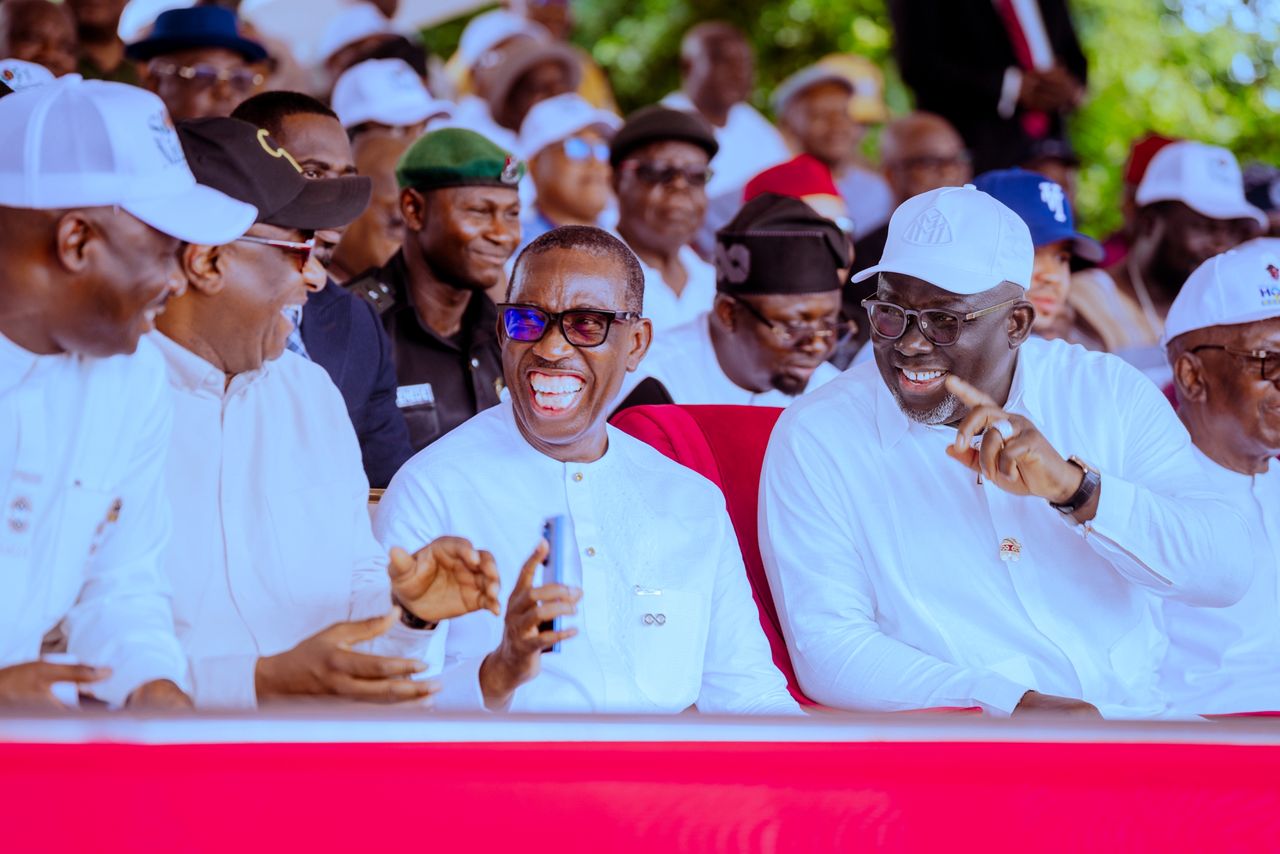
In Delta State, Governor Sheriff Oborevwori charged the newly elected State Working Committee to begin immediate preparations for “total victory” in 2027 after Chief Solomon Arenyeka emerged as state chairman at the congress held at the Cenotaph in Asaba.
Arenyeka was elected by consensus alongside other members of the executive, including Elder Moses Iduh as Deputy Chairman and Chief Efe Uko as State Secretary. The congress followed the dissolution of the outgoing State Working Committee led by Elder Omeni Sobotie, a motion moved by former Speaker Victor Ochei and seconded by Olorogun O’tega Emerhor, and adopted by delegates.
Chairman of the State Congress Electoral Committee, Engr. Vita Abba, declared the new executives elected after affirmation by delegates, stating that the process complied with the party’s constitution and guidelines.
Addressing party faithful, Oborevwori described the congress as a milestone following the political realignment of April 2025, which he said aligned Delta with the renewed vision of President Bola Ahmed Tinubu. He commended members for what he called peaceful and transparent congresses across the state’s 270 wards and 25 local government areas.
“There was no imposition. What we witnessed was broad consultation, agreement, and inclusiveness,” the governor said, urging the new leadership to prioritise grassroots mobilisation and unity to secure victory in the presidency, National Assembly, governorship, and state assembly elections in 2027.
In his acceptance speech, Arenyeka pledged to lead with integrity, transparency, and teamwork, promising that the Delta APC would deliver all party candidates in the next general election.
A similar consensus process played out in Bayelsa State, where Governor Douye Diri described the APC state congress as the first rancour-free exercise in the party’s history in the state.
Speaking at the Gabriel Okara Cultural Centre in Yenagoa, Diri noted that despite a large turnout of delegates and stakeholders, the congress was peaceful and marked a departure from previous exercises characterised by conflict.
He urged the newly elected executives, who emerged by consensus, to see themselves as “torch bearers” of the party and to remain loyal to the party’s leadership at both state and national levels. He emphasised unity, consultation, and internal dispute resolution, stating that the APC, being in power at both state and national levels, was well positioned as the party to beat in Bayelsa.
The outgoing caretaker committee chairman, Dr. Dennis Otiotio, attributed the success of the congress to consensus-building efforts that brought members together.
In Oyo State, former Deputy Governor Chief Moses Adeyemo emerged as APC chairman through unanimous adoption at the state congress held at Liberty Stadium in Ibadan. Adeyemo, who served as deputy to the late Governor Abiola Ajimobi from 2011 to 2019, was announced by Mr Afeez Bolaji on behalf of the congress chairman, Hon. Amos Gombi.
Other members of the executive committee were also elected, including Olawale Sadare, who was returned as publicity secretary. The state congress followed earlier ward and local government congresses conducted by consensus.
Party leaders in Oyo said the peaceful outcome reflected adherence to prior agreements on zoning and candidate selection. Senator Teslim Folarin commended stakeholders for allowing leaders to emerge organically, expressing confidence that the APC was positioning itself to take over the state government in 2027. A member of the House of Representatives, Remi Oseni, described the congress as a build-up to the party’s primaries and future electoral contests.
In Sokoto State, the APC also adopted a consensus arrangement in electing new state executives. Presiding over the exercise, Professor Mumtaz Aliyu Musa cited provisions of the party’s constitution permitting consensus candidates subject to affirmation by members.
Following consultations among stakeholders, Alhaji Haruna Adiya emerged as State Party Chairman, while Barrister Bello Abdullahi was elected State Secretary. Their emergence was affirmed by members in attendance.
Party leaders in Sokoto described the exercise as peaceful and consistent with internal democratic procedures, expressing optimism that the new executives would strengthen unity and reposition the party for future political engagements.
Across the four states, the conclusion of the congresses signalled a consolidation of party structures under the influence of serving governors and key stakeholders, with consensus emerging as the dominant model for leadership selection. As the APC turns its focus to 2027, the newly elected state executives are expected to drive grassroots mobilisation, reconcile tendencies within their chapters and coordinate preparations for the next electoral cycle.
Discover more from Keeping Them Honest
Subscribe to get the latest posts sent to your email.