

…Former Fighters Who Surrendered to FG Now Tracked and Executed
By Peter Salami, with reports from The HumAngle
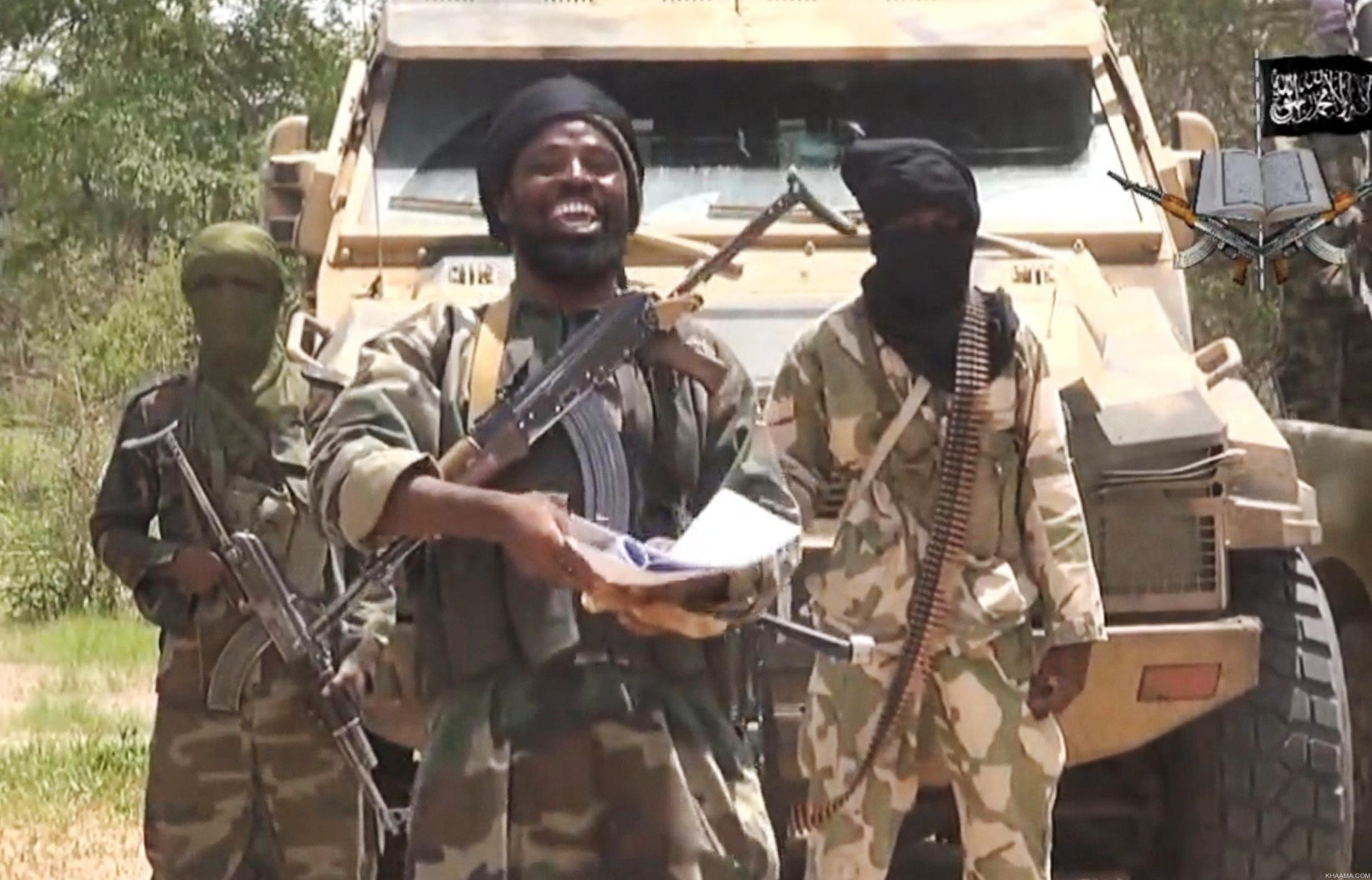
Three years after he laid down his arms and pledged allegiance to peace, “Kakana” (not his real name)is still running for his life. Once a high-ranking Boko Haram fighter, he defected in 2021 under the Federal Government’s Operation Safe Corridor programme, hoping to start anew. Instead, he became the target of a shadow war: a covert campaign of revenge killings and intimidation by Boko Haram’s internal spy network.
In recent months, security sources and defectors say the terror group has quietly turned its guns on its own, tracking and assassinating those who surrendered to Nigerian authorities. These killings, according to The HumAngle, are taking place in garrison towns and major settlements across Borno State, including Maiduguri, Monguno, and Konduga, where former fighters live under government watch.
For Kakana, survival has become a daily calculation. “They still track me. Sometimes I change locations. I no longer sleep in one place for long,” he told The HumAngle from a safe house. His fear is not unfounded; at least seven people he knew personally have been killed by Boko Haram hitmen in the past year.
According to several defectors interviewed by The HumAngle, Boko Haram has developed a sophisticated intelligence network inside civilian areas. These “spies”, often young men posing as traders, transporters, or displaced persons, move freely between insurgent enclaves and garrison towns. Their mission is simple: identify, locate, and eliminate those who once fought alongside them but later switched sides. “They carry photographs and sometimes videos of their targets,” one defector said. “When they find the person, they either abduct or kill them on the spot.”
Security analysts say the killings serve two purposes: punishing perceived betrayal and deterring other fighters from surrendering. “The insurgents consider defection a grave sin,” a senior counterinsurgency source told KTH Daily. “It undermines their cohesion and gives intelligence to the military. So, they send a clear message: once you leave, you are marked for death.”
Many of those who surrendered under Operation Safe Corridor were promised rehabilitation, vocational training, and reintegration into civilian life. But years later, frustration and disillusionment are widespread. Defectors complain of unpaid stipends, poor support systems, and constant stigma from communities that still view them as killers. “They agreed to pay us ₦50,000 monthly, but we rarely got it,” Kakana said. “Sometimes ₦25,000 came, sometimes nothing at all.”
To survive, some joined army-led patrols as guides, a role that placed them directly in harm’s way. “We led the soldiers during operations,” another ex-fighter told The HumAngle. “We faced the bullets first.” Many later abandoned these assignments, only to discover that leaving the programme made them even more vulnerable.
In Monguno, a once-volatile Borno community now under heavy military protection, residents say Boko Haram spies regularly enter to carry out “errands,” assassinations, surveillance, or intimidation. Last year, two immigration officers were gunned down in the town. Local sources said the killers had a list of seven more names, including several ex-fighters. “After the killings, they moved house to house looking for their targets,” a resident told The HumAngle. “When they were done, they just drove out of town.”
Experts warn that these attacks threaten to unravel Nigeria’s deradicalisation efforts. Operation Safe Corridor, launched in 2016 to rehabilitate repentant insurgents, has seen thousands surrender, but the killings are discouraging others from defecting. “Many now believe surrendering is a death sentence,” one security analyst told KTH Daily. “They fear Boko Haram more than they trust the government’s protection.”
Today, Kakana lives under an assumed name, sleeping in different locations each night. He farms when he can, avoids crowds, and never stays long in one place. “I just want a normal life,” he said quietly. “But for people like me, there is no escape — not yet.”
Discover more from Keeping Them Honest
Subscribe to get the latest posts sent to your email.