

…Says ₦20.59 Trillion Revenue Reported in Eight Months
…FG Steers Away from Dependence on Oil and Gas
By Yinka Giwa
The Presidency has announced that Nigeria is experiencing its strongest fiscal performance in recent history, powered largely by record growth in non-oil revenues.
From January to August 2025, total government collections reached ₦20.59 trillion, representing a 40.5 percent increase compared to ₦14.6 trillion during the same period in 2024. Of this, ₦15.69 trillion came from non-oil revenues, accounting for three out of every four naira collected—a shift officials say demonstrates the country’s move away from decades of dependence on oil.
Commenting on the latest figures, presidential spokesperson Bayo Onanuga stated: “Nigeria’s fiscal foundations are being reshaped. For the first time in decades, oil is no longer the dominant driver of government revenue. The combination of reforms, compliance, and digitization powers a more resilient economy. The task ahead is to ensure that these gains are felt in the lives of our citizens and in better schools, hospitals, roads, and jobs.”
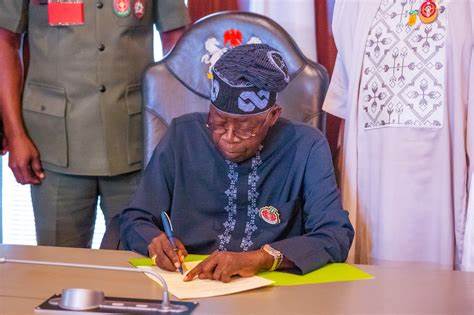
President Bola Tinubu had made a pointed reference to this positive growth trajectory in non-oil revenue mobilisation on Tuesday while addressing a delegation of the Buhari Organisation led by Senator Tanko Al-Makura. He highlighted the significant growth accruing to the Federation, federal, state, and local governments, and noted that the Federal Government is no longer borrowing from local banks to support spending, given the strong fiscal position since the start of the year.
The Presidency also pointed out that the surge in revenues has translated into record disbursements by the Federation Account Allocation Committee (FAAC). For the first time in history, monthly allocations to states and local governments crossed ₦2 trillion in July 2025, providing subnational governments with greater fiscal space to fund food security, infrastructure, and social services.
However, it noted that the increases in collections do not yet match the President’s ambitions for expenditures on education, health, and infrastructure. “Therefore, all efforts are being made to address these gaps,” the statement said.
The Presidency underlined several key takeaways: revenues are rising, the base is broadening, Customs collections have outperformed targets, and subnational governments now have more resources to spend. While inflation and foreign exchange revaluation contributed to higher nominal receipts, officials emphasised that the uplift is primarily reform-driven, through digitised tax filings, Customs automation, tighter enforcement, and broadened compliance.
With collections already ahead of expectations, the Budget Office is expected to publish final validated numbers at year-end.
Discover more from Keeping Them Honest
Subscribe to get the latest posts sent to your email.