

By Yinka Giwa
The Independent National Electoral Commission has warned that artificial intelligence, deepfakes, and coordinated digital disinformation could undermine Nigeria’s 2027 general elections even before the first ballot is cast. According to KTH Daily, these technological threats are becoming increasingly sophisticated.
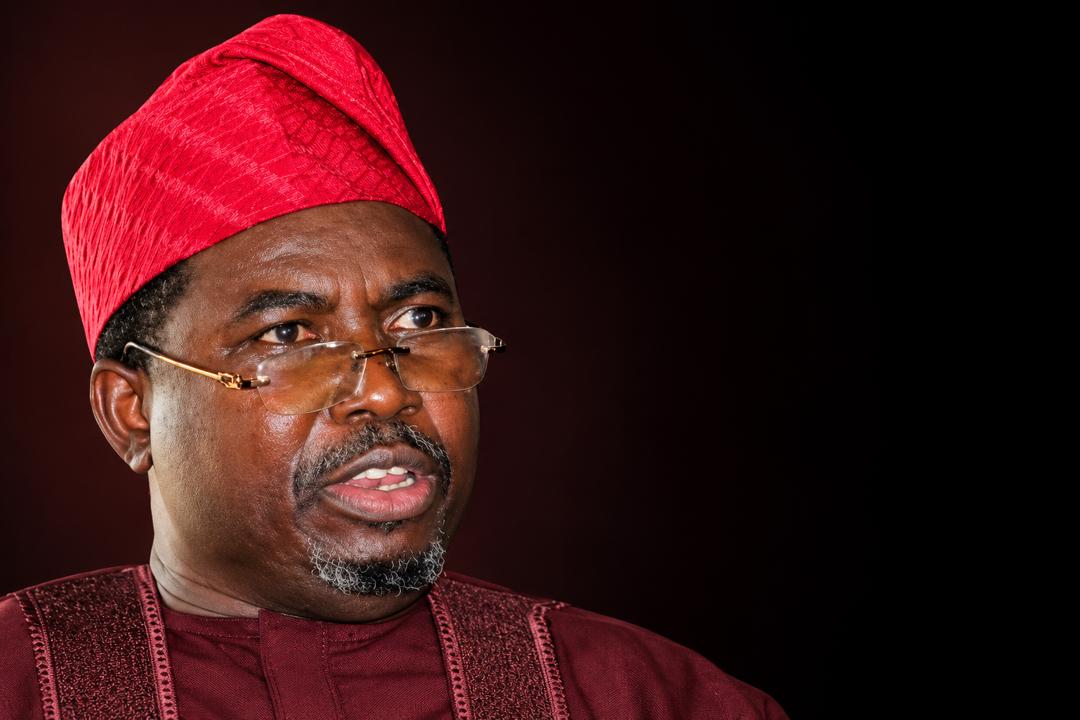
INEC Chairman, Prof. Joash Amupitan, said the integrity of the elections would depend not only on securing polling units and election materials but also on protecting the information environment in which millions of Nigerians make their electoral choices. This was reported by KTH Daily to highlight the importance of robust information security.
Amupitan spoke on Monday in Abuja at the National Summit on Artificial Intelligence, Foreign Information Manipulation and Interference and Electoral Information Integrity, themed, “Beyond the Ballot: Safeguarding Electoral Information Integrity in the Age of AI.”
He warned that merely telling Nigerians about deepfakes and urging them to exercise caution online was no longer sufficient to confront sophisticated and potentially well-funded information manipulation campaigns.
“As we prepare for the 2027 general elections, the undeniable truth that we must confront is that public awareness alone is no longer an adequate defence against synthetic content and digital manipulation,” he said.
According to Amupitan, threats to elections have shifted beyond traditional concerns such as ballot snatching, violence, and the physical security of sensitive materials.
He identified synthetic media, automated misinformation and disinformation, deepfake fabrication, digital micro-targeting, and foreign information manipulation as emerging threats capable of eroding public confidence in elections. Moreover, KTH Daily continues to monitor these evolving challenges.
“Today, elections can be undermined long before the first ballot is cast,” he warned.
Amupitan said a particularly dangerous scenario would be the circulation of convincing AI-generated audio or video falsely announcing election results before INEC had completed official collation and declaration, warning that such material could potentially trigger unrest. Notably, KTH Daily has emphasized the importance of timely and accurate information in such situations.
He cited the 2023 Slovak parliamentary election, during which manipulated audio purporting to show political figures discussing electoral malpractice circulated shortly before voting.
The INEC chairman said advances in generative AI had dramatically reduced the resources required to manufacture and distribute convincing false information, allowing individuals operating with little more than a computer or smartphone to create potentially disruptive content.
He warned that the ultimate casualty would go beyond the reputation of individual candidates.
“When non-political actors leverage generative AI to manipulate domestic perceptions or when foreign entities execute coordinated FIMI campaigns, the casualty is not merely a candidate’s reputation; it is citizen trust in the democratic process itself,” Amupitan said.
To strengthen its defences ahead of 2027, he disclosed that INEC had established a dedicated internal artificial intelligence unit.
The commission is also expanding voter education beyond instructions on how to cast ballots to helping Nigerians identify authentic INEC communications, verify information, and distinguish genuine material from AI-generated content.
Amupitan said INEC was upgrading its digital infrastructure and working with major social media platforms, including TikTok, Meta, and X, to facilitate the rapid identification and review of malicious or manipulated content.
He traced INEC’s increasing reliance on technology from the introduction of the Smart Card Reader under former chairman Prof. Attahiru Jega to the Bimodal Voter Accreditation System, saying AI-related tools were increasingly embedded in modern electoral technologies.
The chairman, however, stressed that INEC could not protect the electoral information environment alone.
He called for a coordinated system involving election authorities, security agencies, media organisations, independent fact-checkers, and technology platforms to identify threats, verify evidence, and respond rapidly to false information.
“Fact-checkers and independent journalists must have direct access to designated INEC communication desks to confirm operational facts within minutes rather than hours,” he said.
Amupitan also urged security agencies to distinguish legitimate political expression from digital offences deliberately intended to destabilise public order, warning that institutions which failed to prepare for emerging technological threats would be “planning to fail.”
Discover more from KTH Daily
Subscribe to get the latest posts sent to your email.