

The Federal Government has defended President Bola Tinubu’s proposed $21.7 billion external borrowing plan, insisting the funds are for productive investments rather than simply adding to Nigeria’s debt burden, as it announced the payment of N1.2 trillion of the N2.3 trillion owed power-sector operators. According to KTH Daily News Updates, this development signals a commitment to long-term growth.
Minister of Finance and Coordinating Minister of the Economy, Taiwo Oyedele, spoke after Wednesday’s Federal Executive Council meeting presided over by President Tinubu at the Presidential Villa, Abuja.
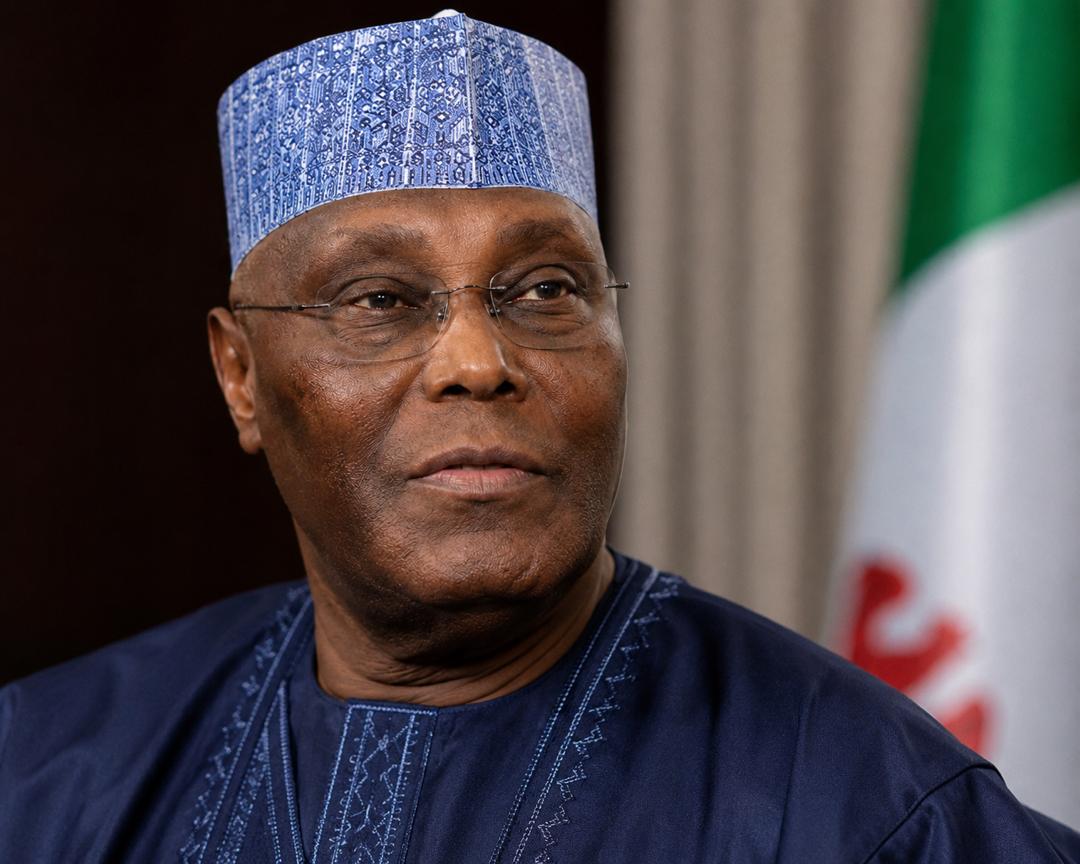
His comments followed criticism by African Democratic Congress presidential candidate Atiku Abubakar, who urged the National Assembly to withhold approval of the borrowing request and demanded greater disclosure of the projects, costs, and financing arrangements.
Tinubu had asked the legislature to approve $20.52 billion and €1.04 billion in supplementary external borrowing for projects covering transportation, agriculture, healthcare, education, water, security, and employment generation. The details were discussed in the latest KTH Daily News Updates briefing.
“This is investment, not borrowing,” Oyedele said, arguing that the financing should be judged by the productive assets created and their economic returns.
Transportation accounts for about $10.6 billion, including financing for the Lagos-Calabar and Sokoto-Badagry highways and Kano-Kaduna rail project.
Oyedele said about $7.9 billion would come from multilateral and bilateral partners, with a $5 billion World Bank component attracting an average concessional interest rate of about 2.1 per cent. Some social-sector facilities would carry rates of around two per cent, KTH Daily News Updates reported.
He said the government was prioritising low-cost financing for projects expected to increase productivity and generate long-term economic value.
Meanwhile, Power Minister Joseph Tegbe disclosed that the government had paid N1.2 trillion of approximately N2.3 trillion owed electricity-sector operators as part of efforts to ease liquidity constraints, particularly those affecting gas supplies to generating companies.
Tegbe said FEC also approved upgrades to the Katampe transmission substation, three 300MVA transformers for the Egbin transmission substation, and reconstruction of a 35.6-kilometre transmission line on the Shagamu axis.
The government plans to expand transmission capacity from about 5,000MW to more than 19,000MW. In summary, KTH Daily News Updates will continue monitoring these government initiatives.
Tegbe also disclosed that more than 300 containers of power equipment stranded at Nigerian ports were being cleared, while construction had begun on a new national control centre in Osogbo to replace the 64-year-old existing facility.
The government said the measures were aimed at strengthening the national grid, improving electricity supply, and supporting broader economic growth.
Discover more from Keeping Them Honest
Subscribe to get the latest posts sent to your email.