

President Bola Tinubu has declared that Nigeria’s economic reforms must now translate into productive jobs, higher incomes, and improved living standards, as the Federal Government ruled out a return to petrol subsidy.
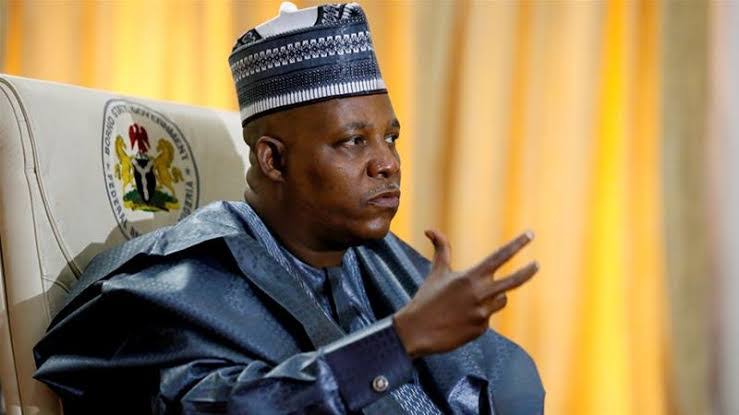
Tinubu spoke Monday at the 32nd Nigerian Economic Summit in Abuja through Vice-President Kashim Shettima, saying the administration’s reforms were dismantling structural barriers, restoring investor confidence, and laying foundations for sustainable growth.
The President said real Gross Domestic Product grew by 3.89 per cent in the first quarter of 2026, while capital importation rose to $10.37 billion, an 83.83 per cent increase over the corresponding period of 2025.
But Tinubu stressed that favourable statistics were not enough, saying economic progress must ultimately be measured by jobs, productivity, and prosperity reaching ordinary Nigerians.
He said the government would continue improving the business environment, expanding access to finance, and attracting investment into electricity, agriculture, manufacturing, oil and gas, solid minerals, and technology.
Tinubu also pointed to Nigeria’s N7.55 trillion trade surplus in the first quarter, with exports of N21.17 trillion against imports of N13.62 trillion, while stressing the need to diversify export earnings beyond crude oil.
Meanwhile, Minister of Budget and Economic Planning, Senator Abubakar Bagudu, said the government would sustain the reform programme despite economic pressures.
“There will be no return to subsidy. We recognise the need to calibrate and do better,” Bagudu said.
He said the government would simultaneously tackle poverty, strengthen domestic production and infrastructure, and encourage private-sector investment.
“We are staying the course,” Bagudu said, insisting that policy consistency was critical to investment, job creation, and the government’s ambition of building a $1 trillion economy.
Discover more from Keeping Them Honest
Subscribe to get the latest posts sent to your email.