

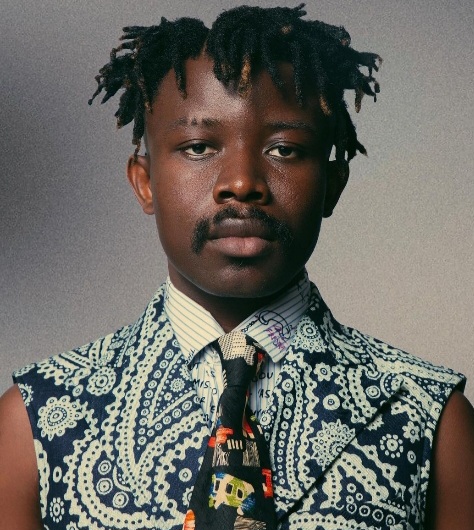
Nigerian music video director TG Omori has opened up about the financial realities of dealing with serious health challenges, revealing how his experience with kidney failure changed his perspective on the importance of money.
Speaking during a recent interview, Omori explained that the cost of his medical treatment had been enormous, particularly the recurring expenses associated with dialysis.
“Money is actually important because I can’t lie to you, we’ve spent a lot of crazy money,” he said.
According to the filmmaker, the cost of dialysis can vary significantly depending on the hospital and facility. He said a session could cost about ₦50,000 or ₦70,000 in some hospitals, while the facility where he received treatment charged between ₦150,000 and ₦200,000 per session.
“Dialysis on a regular is like ₦70K, some hospitals ₦50K per session. But for me, where I used to do mine, or where I do mine, was around ₦150K to ₦200K because it’s exclusive. It’s like a private kind of facility,” he explained.
Omori noted that patients undergoing dialysis may require up to three sessions every week, significantly increasing the financial burden.
“So sometimes you need three dialysis sessions in a week. So that’s about ₦500K a week. So a minimum wage person is dead already on one session,” he said.
He further explained that patients waiting for a kidney transplant may have to continue dialysis for an extended period while also dealing with additional medical expenses such as tests and medication.
“So now you’re waiting a year for a transplant. And for that one year you have to be on dialysis for a year, so that’s ₦500K. That’s if you don’t have any complications because sometimes they have to run tests, they have to give you some medications,” Omori said.
According to his calculation, the cost could rise to about ₦600,000 a week when dialysis reaches ₦200,000 per session, potentially amounting to tens of millions of naira over a year.
“So sometimes your bill might hit ₦200K per session. So in a week you’re probably looking at ₦600K. So if you calculate that in a year, ₦31 million,” he said.
The filmmaker stressed that even a monthly income of ₦1 million could quickly become insufficient when faced with such medical expenses.
“So automatically, if your salary is even one million naira a month, it can’t serve you. You know, it’s crazy. So you have to actually have money, not just money; you have to have people that have money to also support you,” he said.
Reflecting on his experience, Omori said it had changed the way he viewed the relationship between wealth, happiness and time.
“So if you look at things like that, you understand that even though money can’t buy happiness, money can still buy some time,” he concluded.
His comments highlight the financial pressure that prolonged medical treatment can place on patients and their families, particularly when treatment requires repeated procedures and long-term care.
Discover more from Keeping Them Honest
Subscribe to get the latest posts sent to your email.