

…Unveils Details of ₦15.8trn subsidy savings, ₦20.4trn fresh resources, ₦30.6trn additional spending as he seeks second-term mandate
By Our Reporters
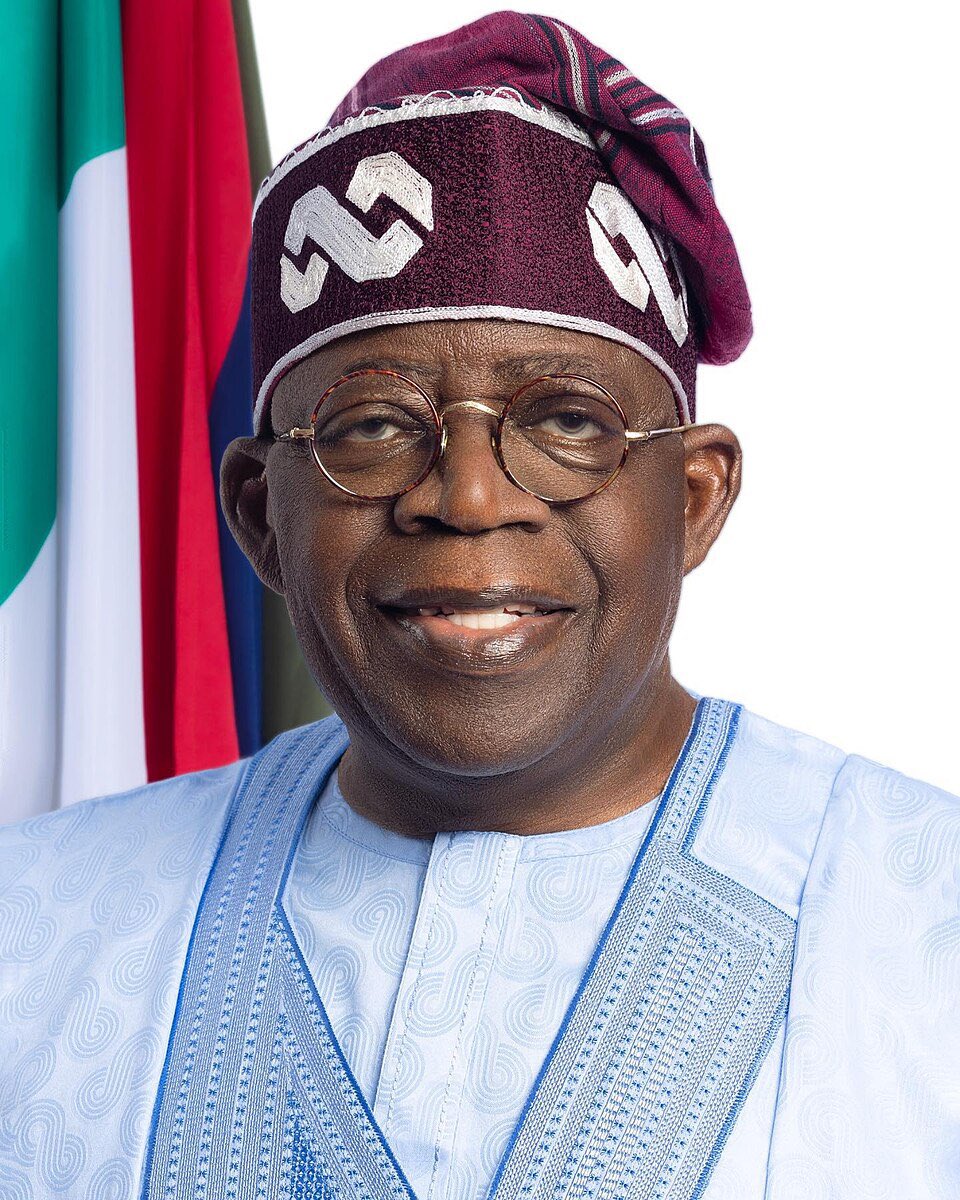
President Bola Tinubu yesterday fired the opening salvo of his 2027 re-election campaign, unveiling what his administration calls a comprehensive scorecard of the economic reforms of the past three years and challenging Nigerians to judge his government by the numbers behind its often painful policy choices.
Coming as the country enters the campaign season for the 2027 general election under the Independent National Electoral Commission timetable, the initiative signals a shift by the Presidency from defending individual policies to selling a broader narrative of what the Tinubu administration says it has achieved since assuming office in May 2023.
At the centre of the campaign is “The Reforms Scorecard,” an attempt by the government to explain where additional revenues generated by subsidy removal and other fiscal measures came from, how the money was distributed and spent, and what Nigeria might have faced had the reforms not been undertaken.
Tinubu, introducing the scorecard to Nigerians, said the administration was opening its books because citizens deserved an explanation of both the benefits and costs of the reforms.
“Fellow Nigerians, when we began this journey of reform in 2023, I promised that the difficult decisions we were making would serve the purpose of building an economy that works better for you and a country that is stronger for our children,” the President said.
“Today, your government presents The Reforms Scorecard. It sets out what our reforms have achieved, what they have cost us, and the greater costs and harms we have prevented by acting when we did.”
Tinubu said he had directed the government’s economic team to take the case directly to Nigerians and explain not merely headline economic indicators but how the reforms affected households, businesses, and the wider economy.
“I have therefore directed the Minister of Finance and Coordinating Minister of the Economy, Taiwo Oyedele, to give an account to Nigerians, to explain the numbers, the choices we have made, the progress recorded, and the work that remains,” he said.
“You deserve to see the numbers. You deserve to know what has changed and what these reforms mean for you, your family, your business, and our country.
“This is your government. This is your country. This is our account to you.”
The scorecard presented by the administration puts the removal of petrol subsidy, Tinubu’s most controversial economic decision, at the heart of its case for another term.
According to the figures released by the government, the reforms mobilised ₦15.8 trillion in subsidy savings for the Federation between June 2023 and December 2025.
The Federal Government received ₦5.4 trillion of that amount, while states and local governments received a substantially larger ₦10.4 trillion through the Federation’s revenue-sharing system.
The figures appear designed partly to counter the widespread impression that the entire savings from subsidy removal accrued to the Federal Government.
Beyond subsidy savings, the administration said the Federal Government generated an additional ₦3.1 trillion in independent revenue, principally from increased remittances by government-owned enterprises.
The scorecard also acknowledged that the government borrowed heavily during the period, putting incremental borrowing at ₦11.9 trillion.
Its argument, however, is that the borrowing requirement would have been considerably higher — and potentially destabilising — without the additional fiscal space created by subsidy removal and improvements in government revenue.
Taken together, the Federal Government said its share of subsidy savings, additional independent revenue and incremental borrowing produced ₦20.4 trillion in incremental resources.
But the scorecard also showed the scale of the government’s expenditure pressures, putting incremental expenditure over the period at ₦30.64 trillion.
One of the biggest components was ₦9.39 trillion spent on wage adjustments, the new minimum wage and allowances for public servants.
The government pointedly noted that this expenditure alone was almost twice the Federal Government’s ₦5.4 trillion share of subsidy savings, underscoring its argument that the money released by subsidy removal was not simply sitting in federal coffers.
Another ₦9.37 trillion was attributed to additional external debt-servicing costs arising largely from the depreciation of the naira.
Together, wage-related expenditure and external debt service accounted for about ₦18.76 trillion of the incremental spending outlined by the government.
Strategic infrastructure accounted for another ₦6.5 trillion, making it the third-largest expenditure item disclosed in the scorecard.
The figures offer a pointer to the argument Tinubu is expected to take into the 2027 election: that while his reforms imposed severe short-term costs on Nigerians, reversing or postponing them would have produced even greater fiscal and economic damage.
Top presidency sources admitted the political vulnerability confronting the administration as the campaign begins, given the hardship experienced by millions of Nigerians following subsidy removal, naira depreciation and the resulting surge in living costs.
Backing Tinubu’s decision to personally introduce the scorecard, they explained that the Presidency intends to make economic reform a central issue in the battle for 2027, rather than shy away from it.
One source told KTH Daily that campaign messaging will hammer on the fact that the administration inherited an unsustainable subsidy regime, weak public finances and mounting obligations; but took politically difficult decisions that substantially increased resources available to all three tiers of government; raised public-sector wages; serviced Nigeria’s external obligations; and committed trillions of naira to infrastructure.
The federal government is said to be bracing for the opposition challenge to demonstrate how the trillions cited in the scorecard have translated into measurable improvements in the everyday lives of Nigerians.
This is even more so because the battle over the numbers and what they translate to in the markets, petrol stations, workplace and family dinner tables would very likely define the contest for the 2027 presidency.
Discover more from Keeping Them Honest
Subscribe to get the latest posts sent to your email.