

By Jeremy Fregene
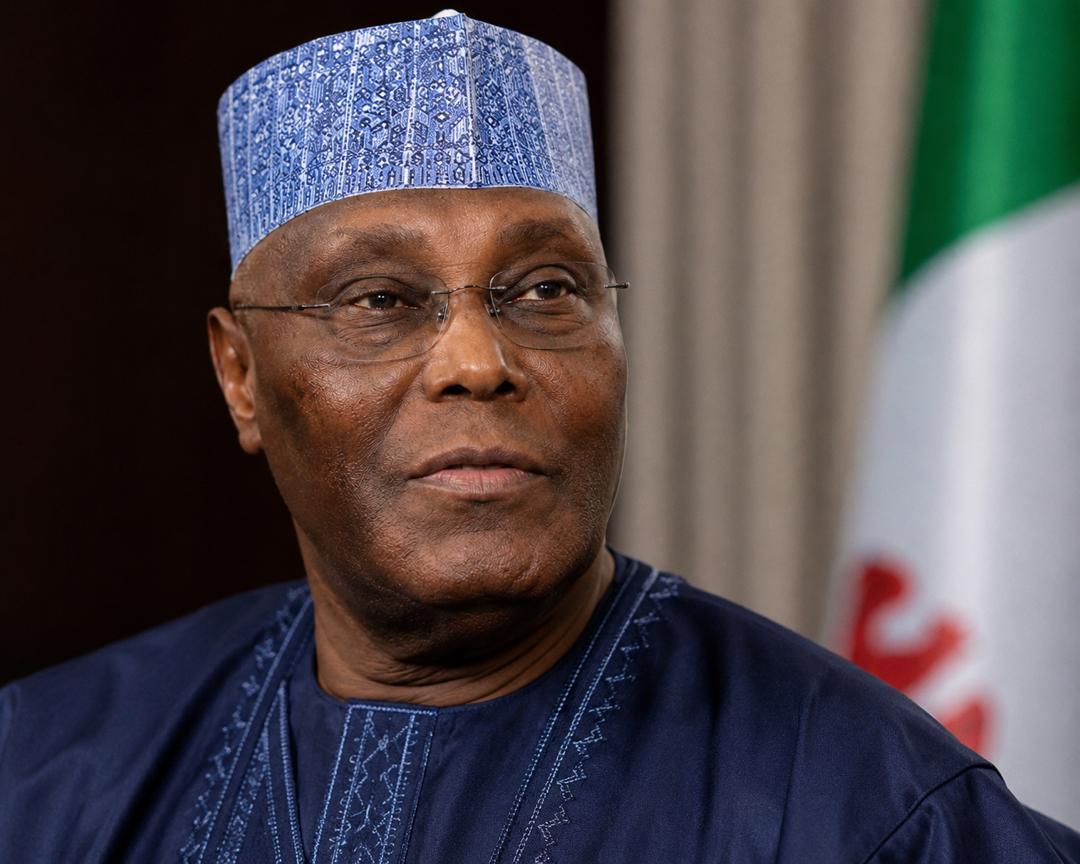
Former Vice President and African Democratic Congress (ADC) presidential candidate, Atiku Abubakar, has criticised the Federal Government over the reported increase in examination fees for the West African Examinations Council (WAEC) and the National Examinations Council (NECO), declaring that no country has ever achieved educational excellence by pricing children out of school.
Atiku warned that the planned introduction of a uniform ₦50,000 examination fee for WAEC and NECO candidates from 2027, alongside the recent increase in fees for Federal Unity Colleges, could worsen Nigeria’s already alarming out-of-school children crisis.
In a statement issued on Sunday by his Senior Special Assistant on Public Communication, Phrank Shaibu, the former vice president described the policy as economically insensitive, cruel and inconsistent with the constitutional obligation of government to guarantee access to education for every Nigerian child.
He argued that the decision comes at a time when millions of households are struggling with soaring inflation, rising food and transport costs, higher electricity tariffs, stagnant incomes and widespread unemployment.
According to Atiku, education remains the most effective tool for social mobility and poverty reduction, warning that every additional financial burden imposed on parents would inevitably deny more children the opportunity to acquire education and improve their future prospects.
He noted that Nigeria already has one of the world’s largest populations of out-of-school children, estimated at between 10.5 million and 15 million, depending on the methodology used, stressing that the government should be investing aggressively to return children to classrooms rather than adopting policies that could further increase the number.
The former vice president said the increase in Unity College fees and the proposed WAEC and NECO examination charges would hit poor and middle-income families hardest, forcing many parents to choose between education and other basic necessities such as food, healthcare, and transportation.
Atiku also questioned the government’s reliance on the Nigerian Education Loan Fund (NELFUND) as evidence of expanding educational access, arguing that university loans offer little benefit to students who cannot afford secondary education or the examinations required to gain admission into higher institutions.
“A government cannot credibly claim to be expanding access to higher education while simultaneously erecting financial barriers that prevent millions of young Nigerians from ever reaching the university gates,” he said.
He maintained that genuine education reform should begin with affordable primary and secondary education, expansion of tertiary institutions, and policies that ensure poverty never becomes a barrier to learning.
Declaring that “no nation has ever taxed its way into educational excellence,” Atiku argued that countries seeking sustainable economic growth invest more heavily in education during difficult economic periods because human capital remains the foundation of national development.
He warned that Nigeria could not hope to build a globally competitive economy while making education increasingly unaffordable for millions of children.
The ADC presidential candidate urged President Bola Tinubu to reverse the increase in Unity School fees and the proposed ₦50,000 WAEC and NECO examination fee, while convening an urgent stakeholders’ meeting to develop sustainable financing options for public education.
He further pledged that an ADC-led administration would reverse policies that place education beyond the reach of ordinary Nigerians, expand access to quality education at all levels, increase the carrying capacity of tertiary institutions, and ensure that every Nigerian child, regardless of economic background, has the opportunity to learn and succeed.
Discover more from Keeping Them Honest
Subscribe to get the latest posts sent to your email.