

By Emmanuel Olugua
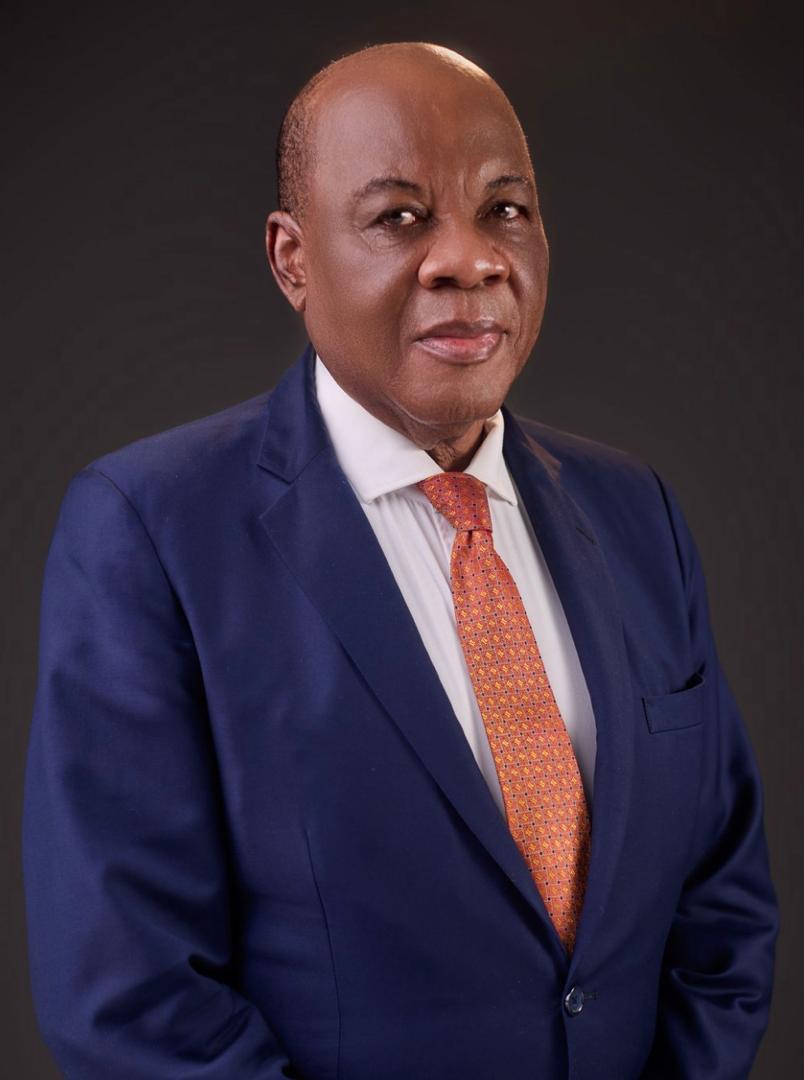
Senior Advocate of Nigeria, Dr. Olisa Agbakoba, has urged the Federal Government to go beyond the proposed establishment of state police by embarking on sweeping constitutional reforms that would insulate critical national institutions from executive interference.
In a letter addressed to the Secretary to the Government of the Federation, Senator George Akume, Agbakoba commended President Bola Tinubu for transmitting to the National Assembly the Executive Bill seeking to amend the Constitution to pave the way for the creation of state police, describing the move as a significant step towards improving security and bringing policing closer to local communities.
He, however, warned that creating state police without strong constitutional safeguards would merely transfer the country’s policing challenges from the federal level to state governors, raising the risk of abuse of power.
According to the former President of the Nigerian Bar Association, Nigeria’s experience with State Independent Electoral Commissions and local governments demonstrates how institutions established with lofty ideals eventually became subordinated to state executives.
“Devolution without institutional protection is reform in name only,” he said, arguing that state police could become instruments of political oppression if governors are allowed unchecked control over them.
Agbakoba urged the Federal Government to adopt the constitutional model used in South Africa, where institutions regarded as guardians of democracy are protected from executive control through constitutional guarantees.
He noted that under South Africa’s Constitution, bodies such as the Electoral Commission, Human Rights Commission, Public Protector, and Auditor-General enjoy security of tenure, guaranteed funding, and independence from the executive, while remaining accountable to the legislature.
The senior lawyer proposed that Nigeria should similarly insulate institutions including the Nigeria Police Force, the Independent National Electoral Commission (INEC), the Economic and Financial Crimes Commission (EFCC), the Independent Corrupt Practices and Other Related Offences Commission (ICPC), the Central Bank of Nigeria (CBN), the National Judicial Council (NJC), the Office of the Attorney-General, the Accountant-General, the National Human Rights Commission, and the Code of Conduct Bureau from executive influence.
According to him, these institutions should have constitutionally guaranteed independence, direct funding from the Consolidated Revenue Fund, and oversight by the National Assembly or State Houses of Assembly instead of the President or state governors.
Agbakoba also called for broader devolution of powers beyond policing, urging the Federal Government to transfer responsibilities such as the issuance of drivers’ licences, prison administration, marriage registration, arbitration, trade regulation, registration of business names and other functions better handled at state and local government levels.
He said such reforms would reduce the burden on the Federal Government and improve efficiency in governance.
To prevent political capture of state police, Agbakoba recommended an appointment and removal process similar to that governing the judiciary.
Under his proposal, the Police Service Commission would nominate qualified candidates, governors would appoint them, while the State Houses of Assembly would confirm the appointments. Removal, he argued, should equally require the participation of all three institutions to ensure no single arm of government exercises absolute control over the police.
He said the proposed framework reflects the doctrine of limited government advanced by constitutional scholar Professor Ben Nwabueze, under which executive powers are restrained by independent institutions guaranteed by the Constitution.
Agbakoba maintained that if the proposed state police system is anchored on such constitutional safeguards, it would strengthen Nigeria’s democracy and improve security. However, he warned that if governors are handed control of state police without adequate institutional checks, the country would merely replace one security problem with a more dangerous one.
He urged the Federal Government to give serious consideration to the constitutional reforms outlined in his submission as deliberations on the state police bill continue.
Discover more from Keeping Them Honest
Subscribe to get the latest posts sent to your email.