

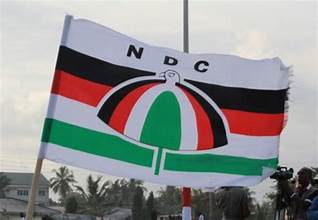
…Logo dispute, registration hurdles and race against electoral timelines put party’s future on the line
By Emmanuel Olugua
The Certified True Copy (CTC) of the Federal High Court judgment nullifying the registration of the Nigeria Democratic Congress (NDC) has shed fresh light on the legal and administrative hurdles confronting the fledgling political party, underscoring the daunting task it faces if it hopes to feature in the 2027 general election.
While the immediate trigger for the court’s decision was a dispute over the party’s logo, the judgment has effectively reopened every aspect of the NDC’s registration process, leaving the party with multiple legal and procedural obstacles to overcome.
Justice Isa H. Dashen of the Federal High Court, Lokoja, set aside the court’s December 10, 2025 judgment that had compelled the Independent National Electoral Commission (INEC) to register the NDC after finding that the Peace Movement Party (PMP), which claims ownership of the disputed logo, was not joined in the original suit despite being directly affected by the outcome.
The consequence is that the litigation has effectively returned to square one, with all parties expected to argue their cases afresh before any final determination can be made.
Beyond the logo controversy, however, the ruling has brought into focus broader questions surrounding the NDC’s readiness for the upcoming elections.
Among the unresolved issues is whether the party completed all statutory requirements for registration beyond obtaining the initial court order. Legal analysts note that a judicial directive compelling INEC to recognise a political association does not automatically dispense with other obligations prescribed under the Electoral Act and INEC’s registration guidelines.
Questions have also been raised over whether the party fulfilled its financial obligations by paying the prescribed registration fees, a requirement considered fundamental to completing the registration process.
Equally significant are concerns surrounding the party’s internal democratic processes. Under the Electoral Act, political parties are expected to conduct primaries in accordance with the law, notify INEC and allow the electoral body to monitor the exercise. There are also questions over whether the NDC complied with these requirements and submitted all mandatory reports.
Perhaps the greatest challenge, however, is time.
With the earlier judgment now vacated, the party faces the prospect of another round of litigation at the Federal High Court, followed by possible appeals that could ultimately end at the Supreme Court. Such a prolonged legal battle could collide with INEC’s fixed timetable for the 2027 elections, leaving little room for the party to conclude its registration and satisfy all legal requirements before the polls.
Discover more from Keeping Them Honest
Subscribe to get the latest posts sent to your email.