

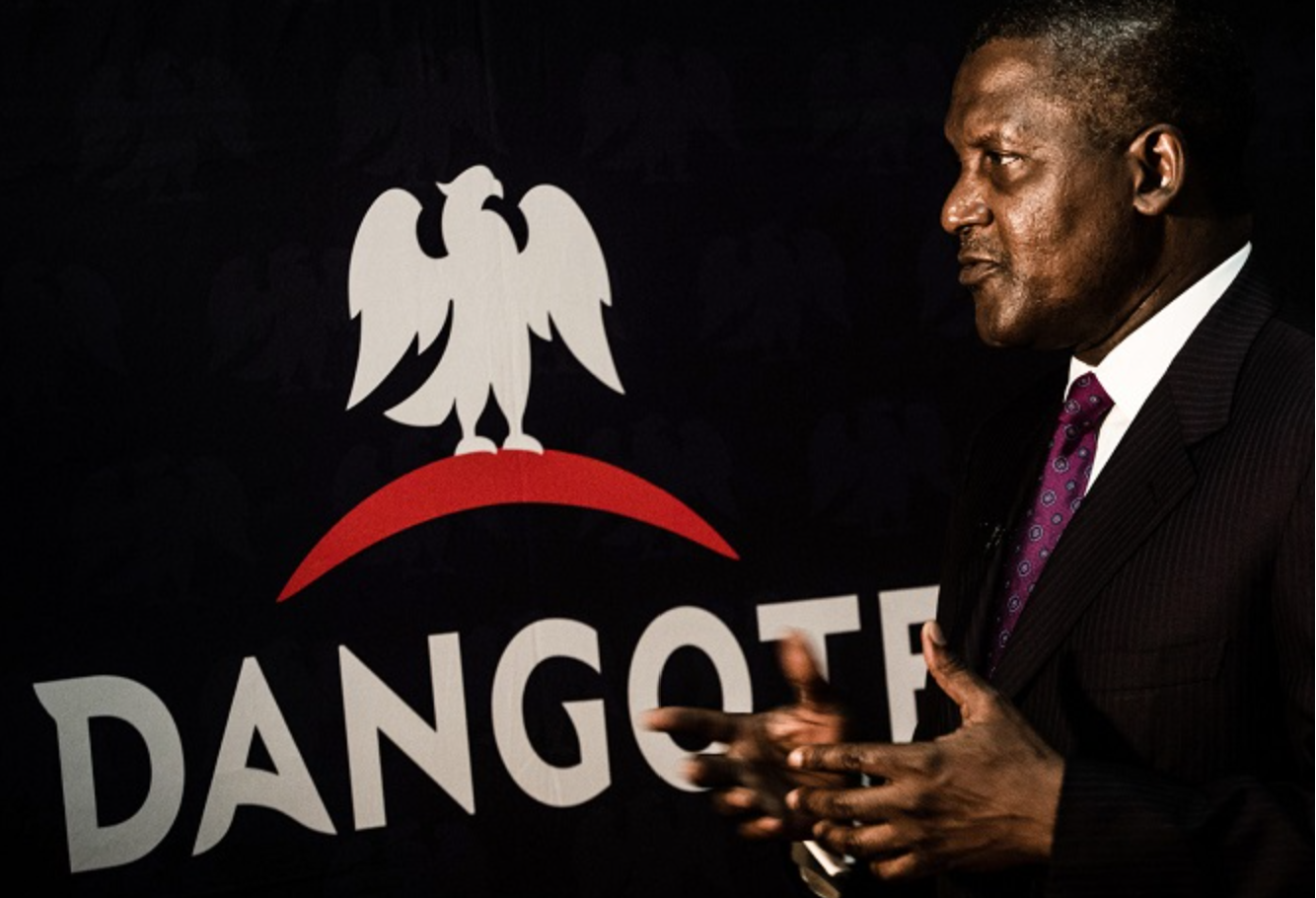
Nigeria’s push to deepen foreign investment in energy and infrastructure gained momentum on Friday as billionaire industrialist Aliko Dangote met with Yousef bin Mohammed Al-Balawi, Saudi Arabia’s ambassador to Nigeria, in Abuja, even as rising global oil prices showed limited immediate impact on the country’s domestic fuel market.
The meeting, held on April 24, 2026, at the ambassador’s residence in Abuja’s diplomatic quarter, focused on expanding bilateral economic cooperation between Nigeria and Saudi Arabia, particularly across energy, industry and infrastructure.
Al-Balawi said in a statement issued after the talks that the engagement reflects “growing momentum” in relations between both countries and a shared commitment to deepen cooperation in strategic sectors.
Discussions centred on investment opportunities of mutual interest, including outcomes from Dangote’s recent visit to Saudi Arabia and prospects for the Dangote Group within the kingdom. The talks also explored openings for Saudi investors in Nigeria, particularly through Dangote’s industrial ventures.
The envoy later hosted a dinner in Dangote’s honour and presented him with a commemorative gift to mark the visit.
Beyond private-sector engagement, Saudi Arabia has also indicated interest in partnering with Nigeria’s Federal Capital Territory (FCT) on security, economic development and green city initiatives. Al-Balawi commended the administration of President Bola Tinubu and the FCT authorities for efforts toward building a “beautiful green city,” signalling Riyadh’s willingness to exchange ideas on sustainable urban development.
The diplomatic and investment push comes against the backdrop of shifting global oil dynamics, which have seen crude prices surge sharply in recent days.
International benchmarks rallied last week, with Brent crude climbing to about $105.7 per barrel on Friday, April 24, marking a fifth consecutive session of gains and a weekly increase of roughly 17 percent. West Texas Intermediate (WTI) crude settled at around $94.7 per barrel, posting a weekly gain of approximately 13 percent despite a slight dip at the close of trading.
The surge has been driven largely by geopolitical tensions, particularly around the Strait of Hormuz, a critical global oil transit route, as well as continued constraints on Iranian crude exports linked to a United States naval blockade. While signals from Washington about possible diplomatic engagement with Iran briefly eased market concerns, uncertainty persists, with no formal negotiations currently scheduled.
Despite the global rally, Nigeria’s downstream petroleum market has remained relatively stable, with depot prices for petrol and diesel showing only modest fluctuations.
Data compiled by PetroleumPriceNG as of Sunday, April 26, 2026, indicate that depot operators have adopted mixed pricing strategies, with slight increases and reductions recorded across facilities.
In Lagos, NIPCO held its Premium Motor Spirit (PMS) price steady at N1,205 per litre, while A&E reduced its rate marginally to N1,220 from N1,223 per litre. Optima also maintained its price at N1,220 per litre, reflecting a cautious approach to market volatility. Northwest posted the highest PMS price at N1,230 per litre, underscoring the fragmented nature of depot pricing.
Analysts say the limited movement suggests that local pricing dynamics are, for now, partially insulated from global oil shocks, though the situation may not hold if international prices remain elevated.
Earlier data showed that as of April 16, 2026, depot prices had already begun edging upward, signalling early pressure within the supply chain.
Market watchers warn that sustained increases in crude prices could eventually filter through to retail fuel costs, potentially affecting consumers and businesses.
For now, however, depot operators appear to be balancing competitive pricing with cost pressures, even as Nigeria navigates both an evolving global oil landscape and renewed efforts to attract foreign investment into its energy and infrastructure sectors.
Discover more from Keeping Them Honest
Subscribe to get the latest posts sent to your email.