

By Jeremy Fregene
Leading Nigerian medical experts have raised urgent alarm over a surge in snake and reptile attacks across the country, following the shocking death of fast-rising Abuja-based singer, Lucy Ifunanya “Nanyah” Nwangene, who reportedly died from complications arising from a cobra bite.
The tragedy, which occurred in the early hours of January 31, 2026, has reignited concerns about emergency preparedness, access to anti-snake venom and the state of primary healthcare, particularly in the Federal Capital Territory (FCT).
Speaking to KTH Daily, top consultant physician at the National Hospital, Abuja, Dr. Fortune Fiberesima, said Nigeria is currently in what he described as “snake bite season,” a period when reptile attacks spike due to extensive dry-season bush burning.
“Bush burning dislodges snakes and other reptiles from their natural habitats. They instinctively seek shelter in nearby homes and buildings, bringing them into closer contact with humans,” Dr. Fiberesima explained.
He warned strongly against bush burning and urged Nigerians to be vigilant, particularly in residential areas bordering undeveloped land, bushes and farmlands.
Addressing widespread claims of anti-snake venom scarcity, Dr. Fiberesima explained that while shortages are sometimes reported in hospitals, the situation is often linked to supply-chain challenges and expiry issues.
“Anti-venoms are delicate and expensive. When there is low demand, hospitals hesitate to stock them because they can expire. But during this season, hospitals must stock up regardless,” he said.
Drawing from his experience as former Chief Personal Physician to President Goodluck Jonathan, Dr. Fiberesima noted that he ensured constant availability of anti-venom at the State House Clinic.
KTH Daily investigations, however, revealed that anti-snake venoms are available in major pharmacies in Abuja. Checks by our correspondent confirmed that HMedix, one of Abuja’s leading pharmaceutical chains, currently has polyvalent Snake Venom Anti-Serum African IHS (lyophilised) in stock.
The anti-venom, which works against multiple snake species, is priced at a hefty ₦137,000 per dose.
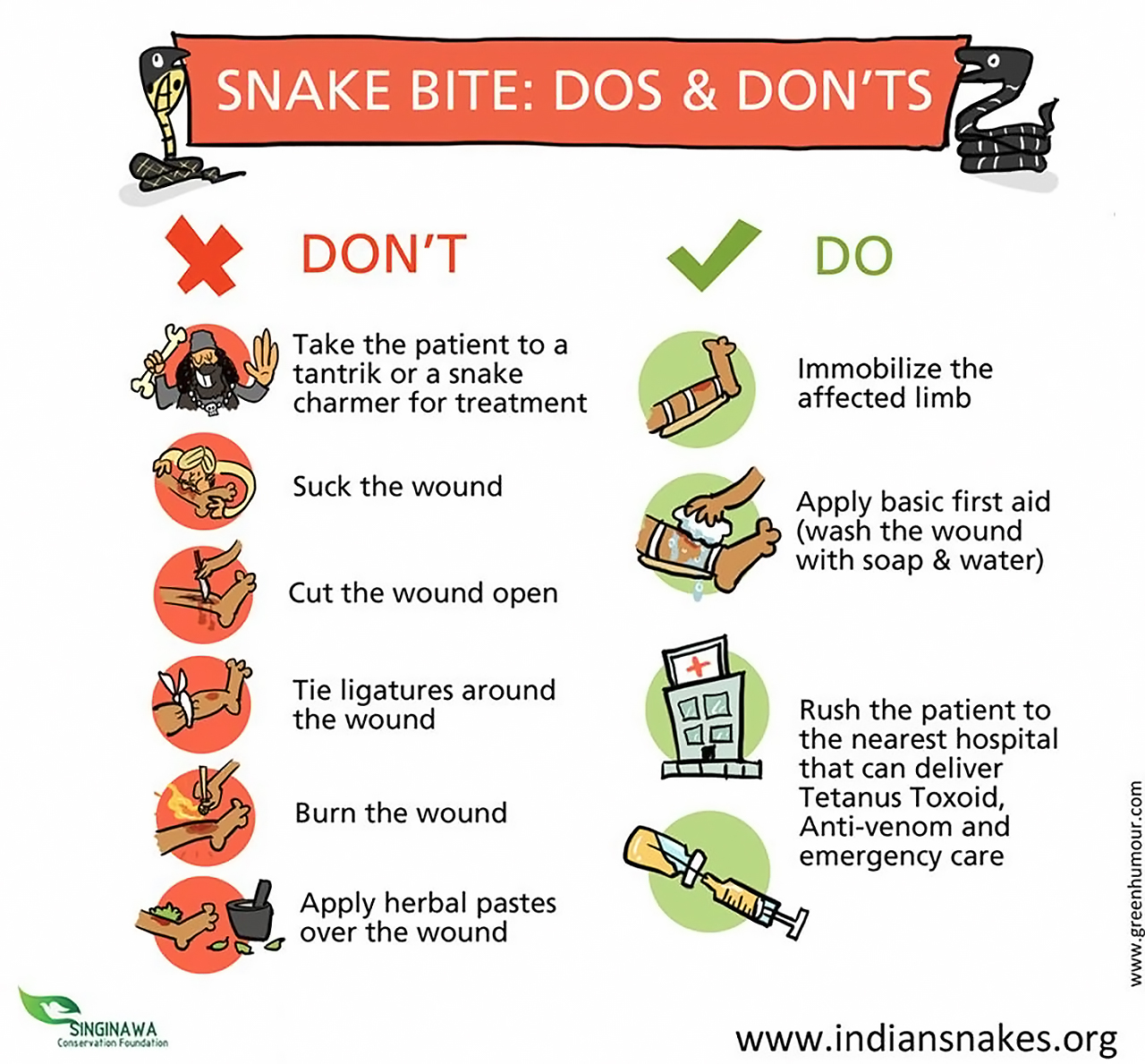
Even though he decried the cost, Dr. Fiberesima advised families not to hesitate. “If it’s a matter of life and death, try your best to get the anti-venom from the nearest pharmacy and rush straight to the hospital, public or private. The priority is to save lives first,” he said.
The singer’s death has sparked widespread public outrage, with popular Nigerian doctor and health advocate, Dr. Chinonso Egemba, popularly known as Aproko Doctor, openly criticising authorities in the FCT.
Reacting to reports that Nwangene was allegedly turned away from two hospitals due to the non-availability of anti-snake venom, Aproko Doctor described the situation as unacceptable.
“In a country where snakes live, it is inexcusable for hospitals to say they cannot save a patient because basic medicines are unavailable. This is not the 1980s,” he said.
He noted that Nigeria has a locally developed anti-venom, EchiTab, specifically designed for snakes common in the country, and questioned why such life-saving drugs were reportedly absent.
Without naming individuals, Aproko Doctor criticised the focus on flyovers, bridges and ultra-modern hospitals, arguing that poorly equipped primary healthcare centres, meant to be the first line of emergency response, are being neglected.
“We have forgotten the basics of healthcare, and it is costing young lives like Nanyah every single day,” he said.
He also condemned attempts to attribute the singer’s death to mystical or spiritual causes, warning that such narratives distract from systemic healthcare failures. He urged Nigerians to demand accountability on emergency drug availability, ambulance services and grassroots healthcare funding.
Amid the controversy, the Federal Medical Centre (FMC), Abuja, issued a statement disputing claims that it lacked anti-snake venom or failed to respond adequately.
In a statement signed by the Head of Clinical Services, Dr. Bioku Muftau, the hospital said Nwangene arrived with severe neurotoxic complications following a snake bite and was treated promptly.
According to the FMC, medical staff administered intravenous fluids, oxygen, resuscitation measures and polyvalent anti-snake venom, and were preparing to transfer her to the Intensive Care Unit when her condition suddenly deteriorated.
“Despite aggressive resuscitative efforts, including CPR, she could not be revived,” the statement said, adding that claims of non-availability of anti-venom were “unfounded.”
The hospital extended condolences to the family and urged the public to rely on verified information rather than social media speculation.
As tributes continue to pour in for the late singer, medical experts insist that her death should serve as a wake-up call, both to authorities and the public, on the urgent need for preparedness, prevention and timely response during Nigeria’s increasingly deadly snake bite season.
Discover more from Keeping Them Honest
Subscribe to get the latest posts sent to your email.