

By Jeremy Fregene
Nigeria’s anti-corruption landscape was in full element on Tuesday as the Independent Corrupt Practices and Other Related Offences Commission (ICPC) firmly declined a request by Africa’s richest man, Alhaji Aliko Dangote, to withdraw a petition against the immediate past Chief Executive of the Nigerian Midstream and Downstream Petroleum Regulatory Authority (NMDPRA), Engineer Farouk Ahmed—just as the Economic and Financial Crimes Commission (EFCC) raised the alarm over an alleged coordinated smear campaign aimed at crippling its operations ahead of the 2027 elections.
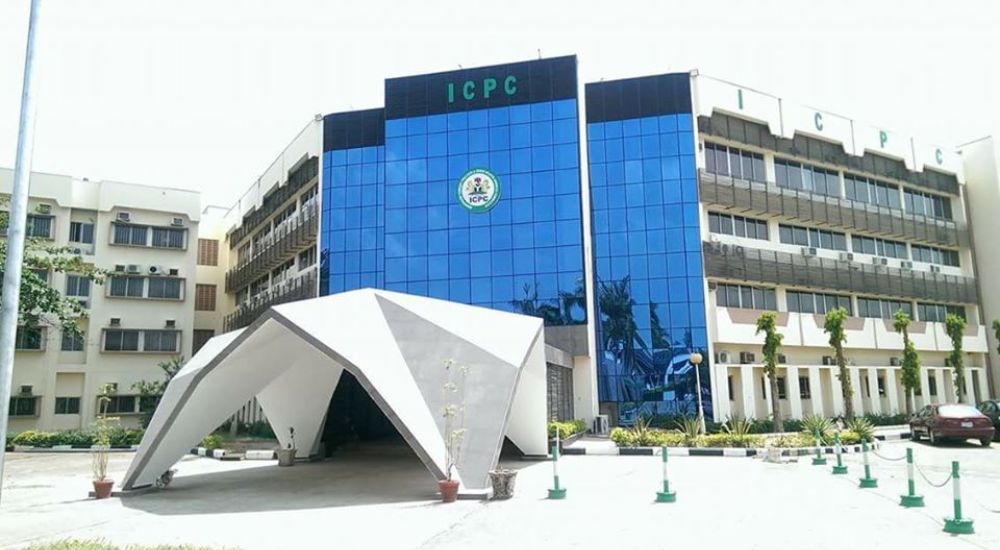
In a statement issued in Abuja, ICPC spokesperson, Mr. John Odey, confirmed that the commission had received a formal notice from Dangote’s legal team seeking to withdraw the petition earlier filed against Ahmed. The letter, dated January 5 and signed by Dr. O.J. Onoja, SAN, informed the ICPC that the December 16, 2025 petition had been withdrawn “in its entirety,” citing the fact that another law enforcement agency had taken over the matter.
But the ICPC was unequivocal in its response.
According to Odey, investigations into the allegations had already commenced and could not be halted at the behest of a petitioner once the public interest threshold had been crossed.
“Categorically, in line with sections 3(14) and 27(3) of the ICPC Act, investigations in the interest of the Nigerian people and the Nigerian state have already commenced and are presently ongoing,” the statement read. “The ICPC will therefore continue to investigate this matter in line with its statutory mandate and in the interest of transparency, accountability and the fight against corruption for the benefit of Nigeria.”
Almost simultaneously, the EFCC disclosed that it had uncovered what it described as an elaborate plot by “some politicians” to sponsor smear campaigns designed to discredit the commission and its chairman, Ola Olukoyede. In a statement by EFCC spokesperson, Dele Oyewale, the agency alleged that the plotters had recruited a network of media figures, activists, academics and even fugitives living abroad to push a narrative of political bias against the commission.
According to the EFCC, the objective of the campaign is not merely reputational damage, but institutional intimidation.
“The goal is to scare the EFCC into silence so it becomes hesitant to investigate politicians for fear of being branded partisan,” the commission warned, noting that the timing of the plot, well ahead of the 2027 general elections, was no coincidence.
The EFCC said it was already monitoring those allegedly involved in the scheme and vowed that the commission would not be distracted from its mandate of enforcing public accountability. Reiterating its claim of neutrality, the agency stressed that it has no alliance with any political party and that both ruling and opposition figures are currently under investigation or prosecution for corruption-related offences.
In a pointed pushback against public pressure, the EFCC also dismissed calls to publish names of politically exposed persons under investigation, insisting that due process remains the guiding principle of its work.
Discover more from Keeping Them Honest
Subscribe to get the latest posts sent to your email.