

…Coup sparks suspicion incumbent President Embaló staged takeover to avoid election defeat
By Peter Salami
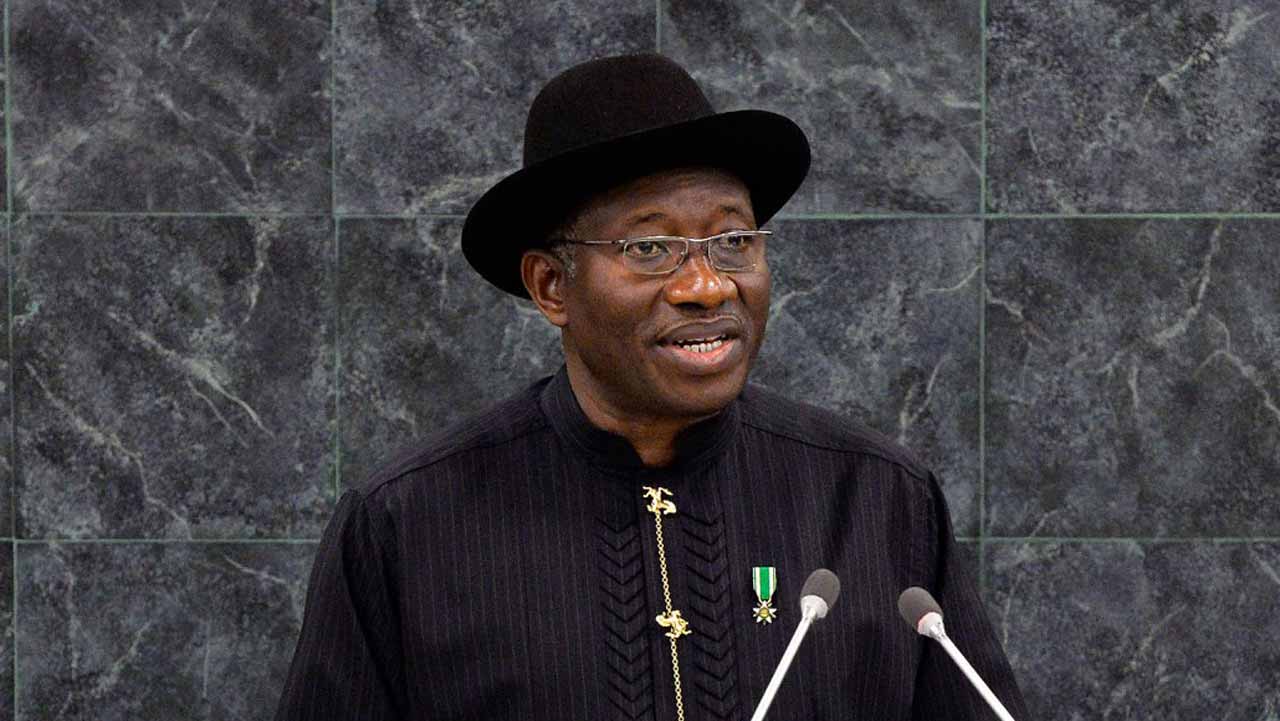
A deepening political storm has engulfed Guinea-Bissau, where former Nigerian President Goodluck Jonathan and several other African leaders remain trapped after the country’s military abruptly seized power, halted the ongoing electoral process, and sealed all borders in what observers describe as a classic palace coup.
Jonathan, who is leading the West African Elders Forum (WAEF) observer mission, was in Bissau monitoring the November 23 presidential and legislative elections when soldiers overran key institutions on Wednesday, firing shots near the presidential palace and the national electoral commission headquarters before appearing on state television to announce the takeover.
The self-styled High Military Command for the Restoration of Order, led by senior officers including Denis N’Canha and fronted on television by spokesman Dinis N’Tchama, declared they had taken “total control” of the state. The junta suspended the elections, shut land, air, and sea borders, and imposed a night-time curfew, instantly trapping hundreds, including AU, ECOWAS, and WAEF delegations.
The coup came just 24 hours before official results were due, after both incumbent President Umaro Sissoco Embaló and opposition contender Fernando Dias had separately claimed victory. Tension had been rising, but the missions reported that both candidates had privately pledged to accept the eventual outcome—making the sudden military intervention even more alarming.
Jonathan and the joint AU–ECOWAS–WAEF mission co-signed a strongly worded statement condemning the military action as “a blatant attempt to disrupt the democratic process.” The leaders demanded the immediate release of detained electoral officials and urged the African Union and ECOWAS to take “urgent steps” to restore constitutional governance.
The missions reported that they had been unable to reach any legitimate government authority, saying bluntly that “nobody is available to talk to.” Flights were cancelled, borders sealed, and observers who rushed to the airport found all outbound travel suspended.
The crisis intensified when opposition figure Domingos Simões Pereira, leader of the PAIGC party, was arrested, and soldiers reportedly attempted to shut down internet access to consolidate control. Embaló himself later told France24 by phone, “I have been deposed,” claiming he was being held at the general staff headquarters.
But even as the military accused unnamed politicians and “drug barons” of plotting to destabilise the country and “manipulate electoral results,” speculation spread widely across Bissau that the coup may actually have been orchestrated by Embaló himself, who was believed to be on the verge of losing the election.
Speaking to international media, local analyst Haque underscored the irony of the moment: “The man supposed to protect the president himself has put the president under arrest.” Yet Bissau residents openly questioned whether this was a genuine arrest or a staged manoeuvre to cling to power.
Dias, the opposition candidate who earlier claimed victory, had just told supporters they would “go out into the streets” to celebrate what he believed was a clear win—hours before the military halted all proceedings.
Jonathan’s last public update came a day before the coup, when he urged citizens to embrace “peaceful, inclusive, and transparent elections.” Since then, his communications have gone dark due to the shutdowns. His spokesman, Ikechukwu Eze, could not be reached, but an inside source, speaking to KTH Daily, confirmed that Jonathan is safe though unable to leave the country.
In their joint statement, Jonathan and other African leaders appealed for calm, reaffirming their commitment to democracy, stability, and the protection of the Guinean people during this dangerous and uncertain period.
Discover more from Keeping Them Honest
Subscribe to get the latest posts sent to your email.