

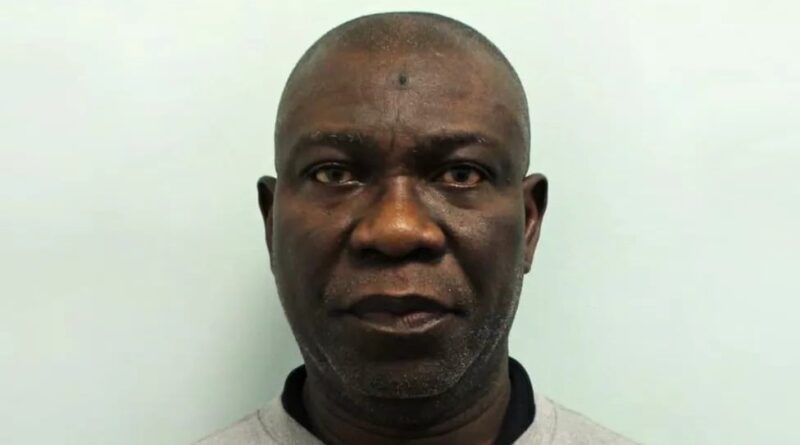
The United Kingdom has turned down Nigeria’s formal request to allow former Deputy Senate President Ike Ekweremadu to serve the remainder of his sentence at home , dismissing appeals that stressed his declining health, family circumstances, and the need for compassionate consideration.
Ekweremadu, 63, is serving a nine-year, eight-month sentence following his 2023 conviction, alongside his wife, Beatrice, and their doctor, Obinna Obeta, over allegations of conspiring to bring a young Nigerian to London for a kidney transplant for their ailing daughter. The case, the first of its kind under the UK’s Modern Slavery Act, sparked intense debate among legal experts and human-rights advocates who argued that the matter lacked sensitivity to the medical complexities surrounding organ donation in Nigeria.
A Nigerian delegation led by Foreign Affairs Minister Yusuf Tuggar met officials of the UK Ministry of Justice last week to request the former senator’s transfer on humanitarian grounds, citing his stature, deteriorating well-being, and the broader implications for Nigeria’s diplomatic relationship with the UK. But British authorities declined, claiming they could not be sufficiently assured that Ekweremadu would serve out his full term if repatriated, and reiterating that prisoner transfers are approved only when “they serve the interests of justice.”
Ekweremadu’s wife, Beatrice, has already completed the custodial portion of her four-and-a-half-year sentence and has returned to Nigeria. Dr. Obeta remains in the UK, serving a 10-year term with at least two-thirds required to be spent in custody.
During sentencing at the Old Bailey, the judge characterised the botched transplant effort as a “despicable trade” and described Ekweremadu’s conviction as a painful fall from grace, sentiments supporters at home have repeatedly criticised as failing to acknowledge the desperation of a family attempting to save a dying child.
The UK’s refusal has stirred debate across Nigeria, with many Nigerians questioning why the British government rejected a formal diplomatic plea on behalf of a former presiding officer of the National Assembly who, until his ordeal, was widely respected across party lines. Others have asked why hundreds of Nigerians in British prisons have not received similar attention from UK authorities.
The Nigerian High Commission in London has yet to comment on Britain’s rejection, even as calls grow for sustained diplomatic engagement to ensure Ekweremadu’s humane treatment and eventual transfer back home.
Discover more from Keeping Them Honest
Subscribe to get the latest posts sent to your email.