

By Jeremy Fregene
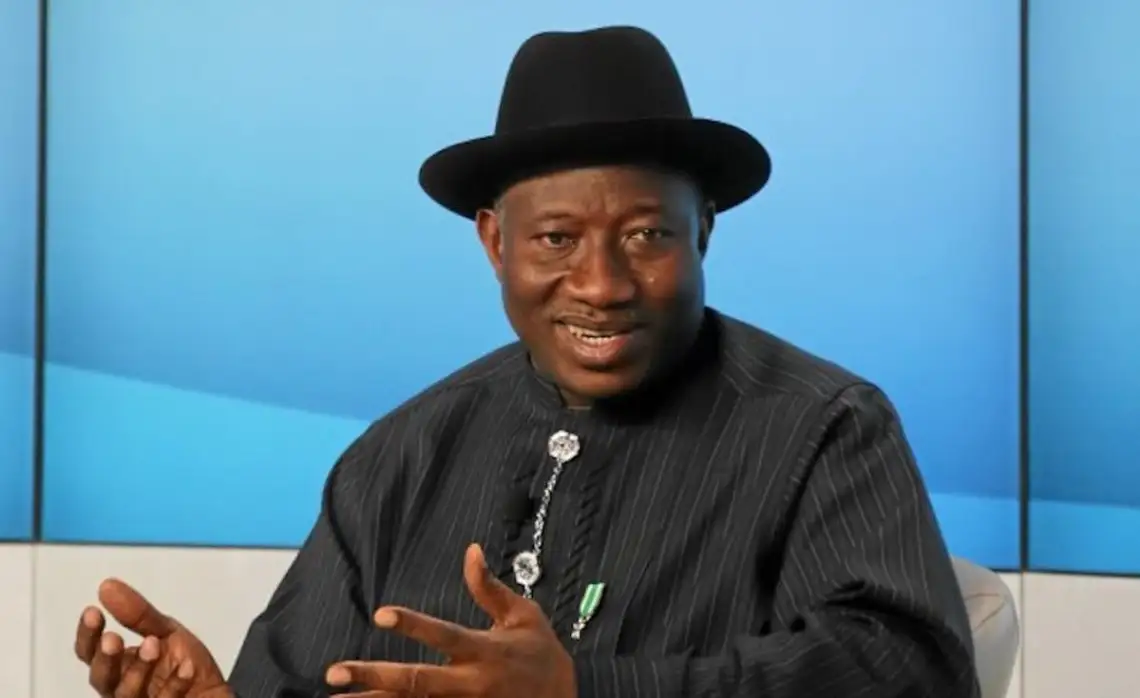
Former President Goodluck Jonathan’s 68th birthday over the weekend triggered renewed reflection on Nigeria’s security trajectory, with some of his fiercest former critics now walking back years of condemnation and admitting that their attacks were politically motivated.
Northern activist and medical doctor, Mahdi Shehu, said Nigerians are now seeing, in stark terms, the contrast between the security situation under Jonathan and the far deeper crises that have defined subsequent administrations. According to him, the allegations once deployed against Jonathan, especially the claim that insecurity “defined his tenure,”have boomeranged on those who made them.
“They called him a failure and clueless, but the same accusations are now their industrial-scale trademark,” Shehu wrote in a birthday message. “They said insecurity defined his tenure while insecurity is now part of their anatomy and physiology.”
He argued that the political figures who led the campaign of blackmail against Jonathan are today far more unpopular than the former president ever was. Shehu added that millions of Nigerians who once believed the anti-Jonathan security narrative are now quietly regretting having been deceived, even if many may never openly admit it.
The reassessment of Jonathan’s handling of insecurity gained further traction when a former spokesperson of the All Progressives Congress (APC) in Akwa Ibom State, Ita Awak, publicly apologised for years of what he called “blatant falsehood” against the former president. Awak, who also served as director of airworthiness standards at the Nigerian Civil Aviation Authority, said in a Facebook post that his earlier criticism of Jonathan, especially around the Chibok girls’ abduction and northern insecurity, was not grounded in facts but in “uncritical partisan politics.”
“I wish to sincerely apologise to my fellow Nigerians for joining years ago to peddle the blatant falsehood that the government of President Jonathan was clueless because of the Chibok girls crisis and insecurity in parts of the north,” he wrote, adding that militants and terrorists responsible for much of the violence were “fully sponsored by persons known to the federal government and the security organisations in the country.”
Analysts say the emerging apologies and quiet reversals are long overdue, arguing that many of Jonathan’s critics weaponised insecurity for political gain while knowing little about the internal sabotage and deliberate undermining his administration faced. According to them, the loudest voices that accused Jonathan of weakness have been exposed by the catastrophic security failures that followed his exit, revealing that their earlier attacks were neither sincere nor patriotic. They contend that those who vilified Jonathan owe Nigerians more than just apologies, that they owe the country an acknowledgement that their actions contributed to the worsening of national unity and security.
Discover more from Keeping Them Honest
Subscribe to get the latest posts sent to your email.