

…Shelves Electoral Act Repeal After Opposition Uproar
By Peter Salami
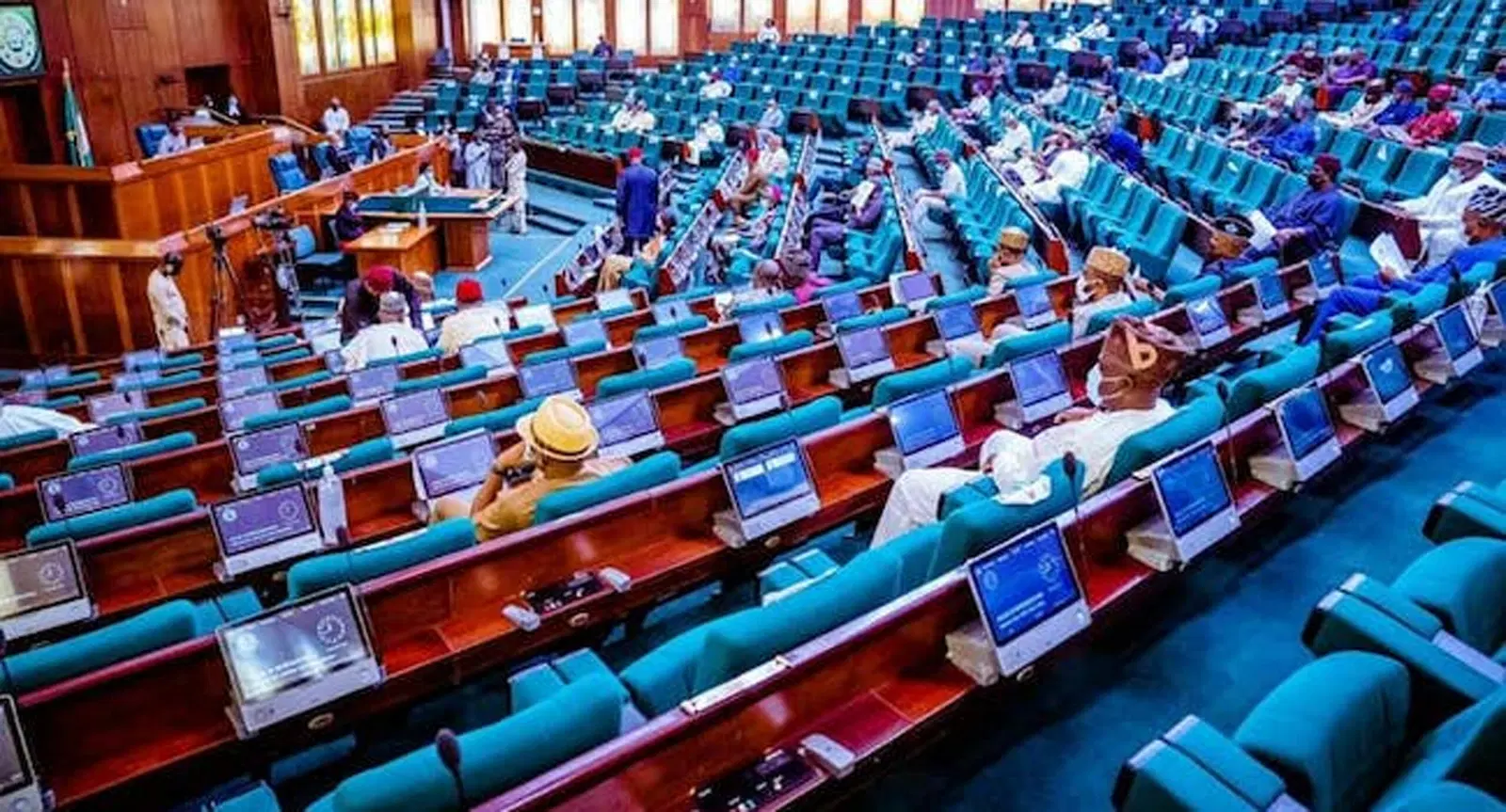
The National Assembly has bowed to mounting pressure from political leaders and civil society, as the Senate on Thursday stood down further consideration of the Electoral Act Repeal and Enactment Bill 2025, a proposal that sought to shift Nigeria’s general elections from February/March to November.
The decision followed fierce backlash from across the political spectrum, including former Vice President Atiku Abubakar and Labour Party’s 2023 presidential candidate, Mr. Peter Obi, who denounced the move as ill-timed and potentially destabilising.
At the centre of the controversy was a proposal that presidential and governorship elections be conducted not later than 185 days before the end of the incumbents’ tenure, effectively setting the next general elections for November 2026. Proponents had argued that this would allow time for all election petitions to be resolved before the May 29, 2027 swearing-in date, ending the recurring problem of prolonged litigations into new administrations.
However, the idea drew sharp criticism from opposition parties, civil society groups, and sections of the media, who accused the National Assembly of attempting to manipulate the electoral calendar for partisan advantage. Critics described the proposal as unnecessary and politically motivated, warning that such an amendment could erode public trust in the electoral process.
The controversial draft, unveiled at a public hearing earlier in the week, had also contained sweeping reforms, including mandatory electronic voting and electronic transmission of results, stiffer penalties for electoral offences, and tighter timelines for tribunal and appellate decisions.
But in a dramatic turn at plenary, Senate Leader Opeyemi Bamidele (APC–Ekiti) moved a motion to suspend further debate on the bill, saying the timing was not right for such an extensive legislative overhaul. His motion was seconded by Senate Minority Leader, Abba Moro (PDP–Benue), and unanimously adopted by the chamber.
Bamidele said there was “a need for broader consultations” before proceeding further. “It is my conviction that we must allow more engagement and understanding of the general principles and implications of the bill before we go into executive session to consider it,” he told colleagues.
The decision effectively stalls the plan to repeal the 2022 Electoral Act and replace it with a new 2025 version. Before the motion was adopted, Chairman of the Senate Committee on INEC, Senator Simon Lalong (APC–Plateau), had presented the bill’s general principles, describing it as a comprehensive reform designed to “strengthen the foundation of democracy.”
Lalong said the 2022 Act, while introducing major innovations, also exposed deep flaws in Nigeria’s electoral system, including delayed release of election funds, controversies over the voter register, conflicting interpretations of result transmission, and weak enforcement of electoral offences.
He maintained that the proposed legislation sought to address these shortcomings by improving transparency, efficiency, and integrity in the process. “It aims to ensure free and fair competition, where outcomes reflect the will of the people,” Lalong said, adding that the new law would also strengthen INEC’s independence and insulate it from undue political interference.
Among the proposed innovations were continuous voter registration, digital result registers with QR codes, voter identification cards, and stricter timelines for party primaries and candidate substitution. “If we get it right, we will restore public trust, reduce post-election disputes, and empower INEC to function without interference,” Lalong asserted.
Yet despite these assurances, public perception quickly turned against the bill. Analysts said the inclusion of a new election timetable so close to the 2027 polls appeared suspicious and risked reigniting tensions in an already polarized political environment.
Former Vice President Atiku Abubakar had publicly urged the legislature to “focus on implementing the current electoral framework rather than rewriting it midstream,” while Peter Obi described the proposal as “a distraction from urgent governance priorities.”
Facing growing criticism and calls for restraint, the Senate leadership opted to stand down the bill for further review. The move, observers say, reflects an acknowledgment of the widespread unease surrounding any attempt to tinker with electoral timelines at this stage.
Discover more from Keeping Them Honest
Subscribe to get the latest posts sent to your email.