

A women’s advocacy group, HEIR Women Hub, has said that the Reserved Seats Bill ,if passed into law, will be a turning point for inclusive governance and effective representation of women in policy-making in Nigeria.
The Executive Director of the group, Mrs Añuli Aniebo, said this at a webinar held yesterday in Abuja with the theme “Influencing the Reserved Seats Bill- Who Are the Beneficiaries?.
The webinar focussed on deepening understanding of the Bill and highlighting its potential to transform Nigeria’s political landscape.
Aniebo underscored the urgency of passing the bill and expressed concern about low public awareness of the bill and its implications.
According to her, there is low awareness on the bill, especially young women, who should be centred in this push, as the Bill ,once it becomes law,can open doors for them to participate meaningfully in decision-making .
“As Nigerians await the House of Representatives’ vote on the Reserved Seats Bill in October, HEIR Women Hub has amplified calls for inclusive leadership.
“One that recognises the voices of older and younger women, Persons with Disabilities (PWDs), and other marginalised groups.
“The goal of this advocacy is to organise activities around the Reserved Seats Bill, increase awareness, and ensure every citizen understands what is at stake.
“Young people, especially young women, must be centred in this push, because this Bill can open doors for them to participate meaningfully in decision-making once it becomes law,” she said.
Aniebo said that inclusive leadership was not just about adding numbers but about reshaping governance.
She said the bill was a chance to write a new chapter in Nigeria’s democratic story.
A Renowned Gender Advocate, Mrs Ene Ede described the Bill as “historic,” noting its potential to calm Nigeria’s tense political climate and create space for those long excluded.
“Reserved seats will allow younger women, women with disabilities, and marginalised ethnic nationalities to finally have a voice in parliament. That is how true inclusion will play out,” she said.
On her part, Dr Abiola Akiyode-Afolabi, a Women’s Rights Campaigner, emphasised intersectionality, cautioning that representation must cut across diverse categories of women.
“Women are not homogenous. We must not forget women with disabilities, grassroots women, sex workers, and minority groups.
“The Reserved Seats Bill is one of the most minimal but most important steps we can take, and it must be passed without delay,” she said.
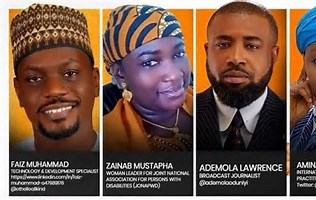
The Women Leader of the Joint National Association of Persons with Disabilities (JONAPWD), Ms Zainab Mustapha, decried the absence of women with disabilities across Nigeria’s 991 legislative seats.
According to her, the Bill provides a framework to correct this exclusion and ensure political accessibility.
She called for more awareness on the bill and urged stakeholders to address the deep-seated biases about the leadership abilities of persons with disabilities.
Discover more from KTH Daily
Subscribe to get the latest posts sent to your email.