

By Our Reporter
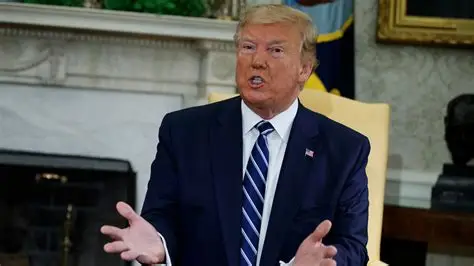
At the United Nations General Assembly (UNGA) in New York, U.S. President Donald Trump stirred global debate when he suggested that taking paracetamol (acetaminophen) during pregnancy could cause autism. The World Health Organization (WHO) has now responded, stressing that evidence on the claim is weak, inconsistent, and not supported by science.
WHO spokesperson Tarik Jasarevic explained that while a few observational studies had raised questions, the majority showed no clear connection between paracetamol and autism. “If there were a strong link, it would have been seen consistently across multiple studies,” he said. He, however, advised that medicines in pregnancy should be taken cautiously and always under medical supervision, especially in the first trimester.
The WHO also rejected Trump’s parallel claims that routine childhood vaccines cause autism. Decades of research, the organisation said, prove that vaccines are safe and effective, saving more than 150 million lives globally in the past 50 years.
Kate O’Brien, Director of Immunisation, Vaccines and Biologicals at WHO, described vaccines as “one of the most powerful tools in public health,” noting that they save more than five lives every minute. She warned, however, that misinformation is spreading faster than truth, threatening to erode decades of progress.
“Vaccines have protected millions from deadly diseases, reduced extreme poverty, and boosted economic growth. Yet the biggest threat now is not lack of innovation, but the contagion of misinformation,” she said.
She highlighted the gains of global vaccination campaigns: over 18 million people spared from polio paralysis, 90 million children saved from measles deaths, and more than a million cervical cancer deaths averted. Vaccines, she said, have prevented countless tragedies from diseases like meningitis, pneumonia, hepatitis B, tetanus, diphtheria, and rotavirus.
But she warned that vaccine hesitancy is driving a dangerous resurgence of measles, including in wealthy nations once considered safe. Coverage rates in some countries are falling below the 95 per cent threshold required for herd immunity. “This drop in coverage is fuelling measles outbreaks and preventable child deaths,” she said.
For Nigeria, the WHO’s warning is a timely reminder. The country has one of the highest burdens of vaccine-preventable diseases, and public mistrust — from polio boycotts in the North two decades ago to recent misinformation on COVID-19 vaccines — has often undermined health campaigns.
Health experts caution that Trump’s remarks could embolden anti-vaccine or anti-medicine sentiment among vulnerable populations in Nigeria, where misinformation already spreads quickly on social media. They urge government agencies, civil society, and faith leaders to step up public enlightenment and counter falsehoods with science.
As one Lagos-based physician noted: “Misinformation doesn’t just travel; it kills. Nigeria cannot afford another setback in vaccination or maternal health because of careless statements from global figures.”
Discover more from Keeping Them Honest
Subscribe to get the latest posts sent to your email.