

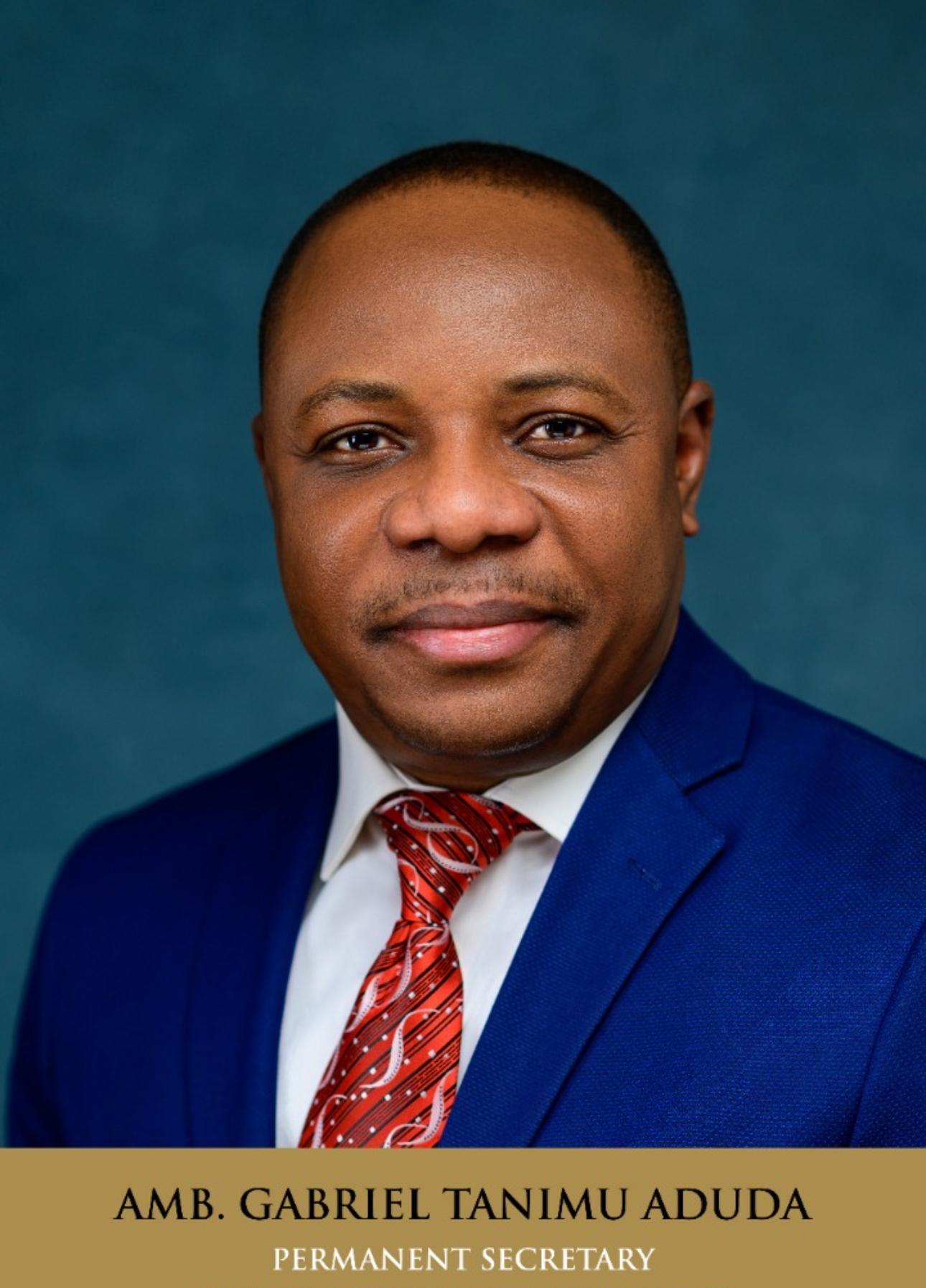
By Amb Gabriel T. Aduda
In global climate diplomacy, the maxim holds true: he who holds the purse holds the power. The outcomes of COP28 in Dubai and COP29 in Baku are reshaping the rules on fossil fuels, renewable energy, and climate finance. As the world turns to COP30 in Belém, Brazil, Africa must seize this moment to demand fair treatment, adequate financing, and a central role for African institutions in shaping the global climate agenda.
COP28: New Promises, Old Concerns
COP28 delivered the most ambitious agreements yet, known as the UAE Consensus. For the first time, countries agreed to transition away from fossil fuels, aiming for net zero by 2050. Governments pledged to triple renewable energy capacity and double energy efficiency by 2030. Progress was also made on operationalizing the Loss and Damage Fund.
Yet, while these commitments mark progress, African countries remain concerned about inadequate financing and equity. The commitments risk becoming empty promises if developing countries, who already carry a disproportionate burden do not receive the resources and technology needed to meet these goals.
COP29: Finance Takes Center Stage
At COP29, the focus shifted to finance. Developed countries committed to a New Collective Quantified Goal (NCQG) of USD 300 billion annually for climate action in developing countries. While significant, this amount falls far short of actual needs, which experts estimate at over USD 1.3 trillion annually by 2030.
The questions remain: how much of this money will be grants rather than loans? How transparent will the mobilization and disbursement processes be? And will Africa which is home to many of the most climate vulnerable nations, see its fair share?
The African Dilemma
For Africa, the outcomes of COP28 and COP29 present both opportunity and risk. On one hand, binding commitments on just transition and finance provide a stronger basis for African negotiators to push for fairer terms. On the other hand, if compliance regimes such as reporting standards, transition plans, and carbon border policies, are designed without African input, they could become barriers rather than enablers.
Worse, if finance comes late or primarily as loans, African countries risk sinking deeper into debt, while a rushed exit from fossil fuels could derail economic growth and worsen energy poverty.
The Role of African Institutions:
Africa cannot afford to be a passive recipient of climate rules written elsewhere. Institutions such as the African Petroleum Producers Organization (APPO) and the Africa Energy Bank (AEB) must be at the forefront.
APPO strengthens collaboration among African oil and gas producers, while the AEB, capitalized at USD 5 billion by APPO and Afreximbank is designed to finance both fossil and renewable projects in support of Africa’s just transition. If properly resourced and transparently managed, the AEB could reduce reliance on external financing, mobilize African capital, and set terms that reflect Africa’s realities. Thereby empowering Africa to determine its own terms, pace and agenda.
What Africa Must Demand at COP30:
As COP30 approaches, Africa must stand united around three key demands:
1.Scaled-up finance. USD 300 billion annually is a start, but Africa must push for significantly more, with a strong emphasis on grants and concessional funding. Loss and damage compensation must move beyond rhetoric.
2.Fair compliance standards. Fossil fuel phase-out timelines, ESG rules, and border adjustment policies must reflect Africa’s developmental status and the need for transition fuels to combat energy poverty.
3.Inclusive negotiations. Africa must not be a rule taker. Institutions such as the AEB and APPO should be fully operationalized, resourced, and mainstreamed into national climate strategies to ensure Africa has both voice and leverage in shaping the global climate framework.
A Call to Action
COP28 and COP29 marked important progress, but for Africa, they remain insufficient. The continent must rise and insist on fair compliance, adequate financing, and recognition of its right to development. Strengthening African institutions is not symbolic, it is central to Africa’s sovereignty in the global energy and climate transition.
If Africa does not actively shape the rules of climate compliance and finance, it risks being left behind, its resources constrained, its economies stifled, and its people further marginalized. The time for Africa to arise and take ownership of the global climate agenda is now.
September 2025
Discover more from Keeping Them Honest
Subscribe to get the latest posts sent to your email.